


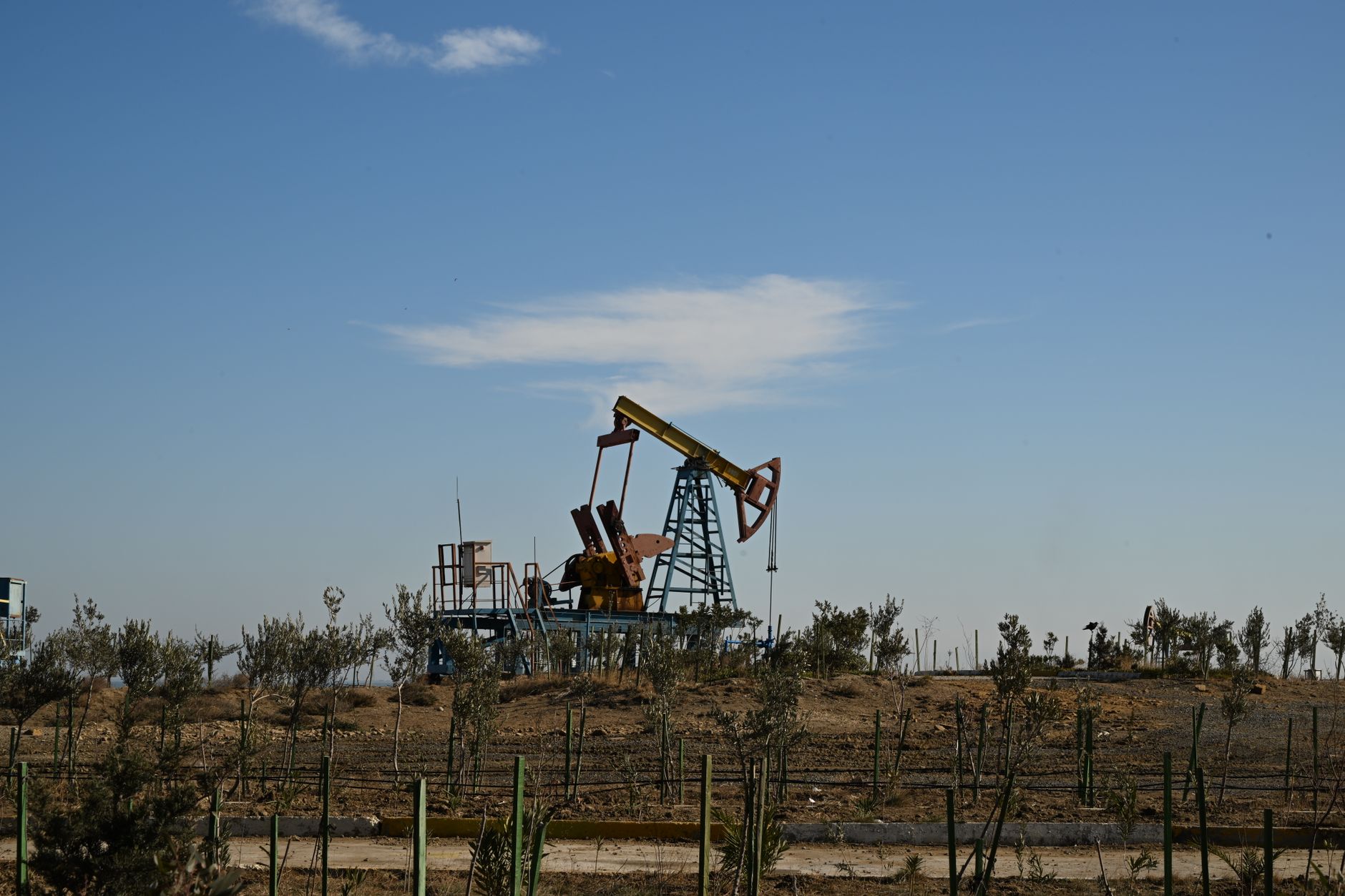
The OPEC+ alliance of oil-producing nations has opted to maintain its existing production targets for the month of December. This decision, finalized during an online meeting on Sunday, indicates a period of policy stability for the group as it navigates the persistent volatility in global energy markets. The meeting involved seven key nations within the coalition, including Saudi Arabia, Russia, Iraq, Kuwait, Algeria, Kazakhstan, and Oman, which have been responsible for setting monthly output adjustments in recent years.
The move comes at a challenging juncture for global energy suppliers. Despite efforts by several Gulf producers to ramp up exports to meet international demand, their actual output remains significantly below the agreed-upon targets. Analysts suggest that the ongoing conflict involving Iran has hindered production capacity and export capabilities across the region, creating a bottleneck that limits the volume of oil successfully reaching global markets. The logistical hurdles associated with securing shipments through the vital Strait of Hormuz remain a primary concern for market participants.
While this decision provides short-term continuity, industry observers note that the alliance is merely delaying more complex deliberations. The upcoming ministerial meeting of all 21 members of the broader OPEC+ alliance, scheduled for November 29, is expected to be a pivotal event. During this session, the group is slated to debate and potentially set the foundational production quotas for the year 2027. Experts view the recent online meeting as a relatively straightforward administrative step, whereas the end-of-November gathering will serve as a much more rigorous test of the group’s internal cohesion.
Uncertainty regarding the long-term supply outlook continues to cloud the sector. Forecasts from the International Energy Agency and various market analysts have highlighted the risk of a potential global oil surplus in 2027, particularly if regional exports through the Strait of Hormuz experience a sudden recovery. The challenge for OPEC+ lies in balancing the immediate need for supply stability with the long-term potential for oversupply, especially given the unpredictable nature of the regional conflict and its impact on infrastructure development.
Before the 2027 production baselines can be finalized, the alliance is conducting a comprehensive review of the production capacity of its individual member states. This assessment is expected to conclude by mid-November and will play a critical role in determining future output quotas. These baselines are essential for the group as it looks to phase out remaining supply cuts. Currently, a layer of production cuts amounting to approximately 2 million barrels per day remains in effect for most members until the end of 2026.
The impact of the war on energy infrastructure has been profound, with several projects aimed at expanding production capacity across the Middle East facing significant disruptions. These obstacles have made it increasingly difficult for planners to accurately forecast the production potential of member countries in the coming years. As the alliance prepares its 2027 framework, it must reconcile these regional export disruptions with the broader, evolving landscape of global oil demand. The results of the upcoming capacity reviews will ultimately dictate how the group manages the transition of its remaining supply constraints in a climate of regional insecurity.







Comments