


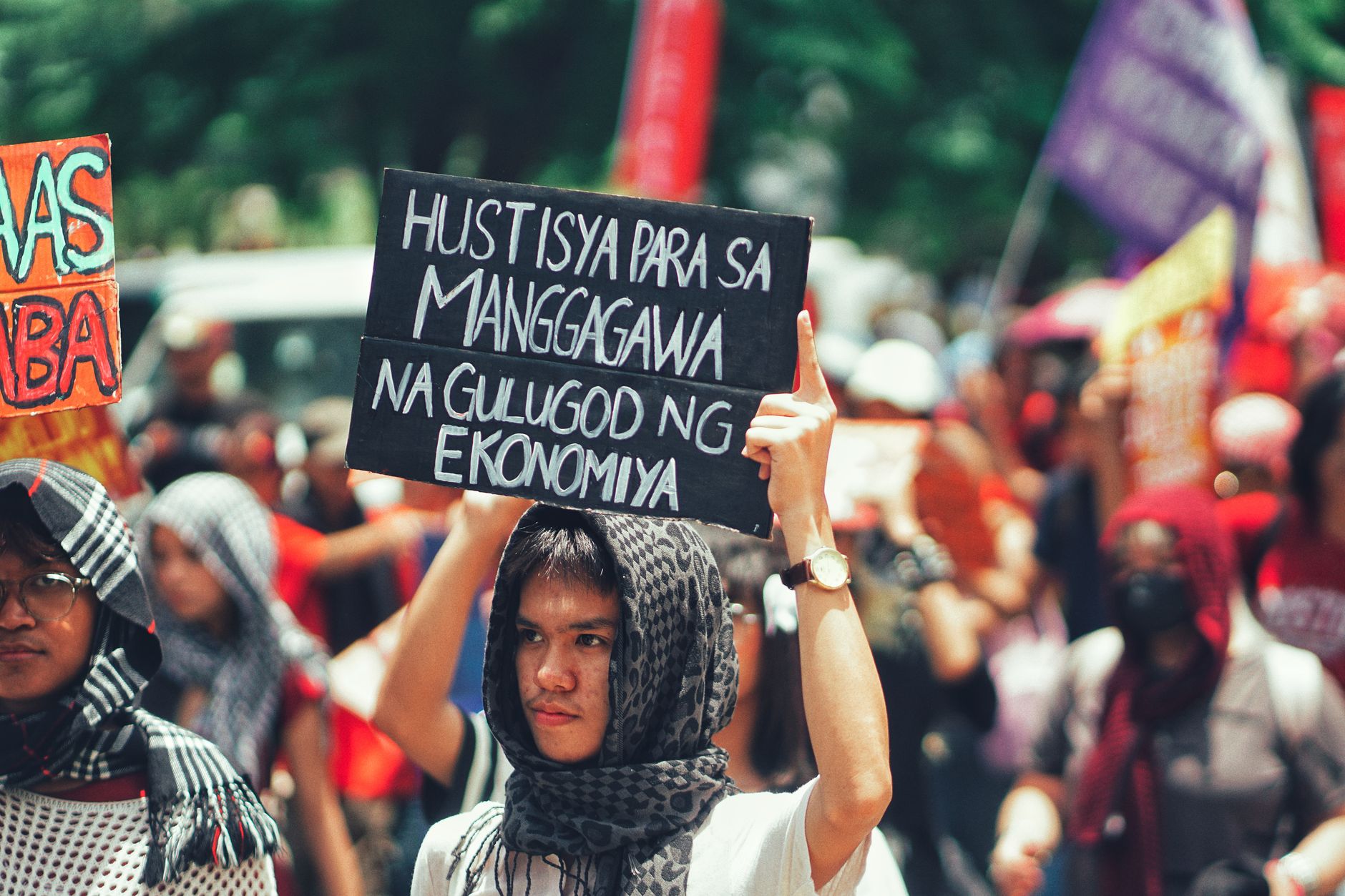
Violent protests have engulfed major garment manufacturing hubs in Bangladesh as workers take to the streets to demand a significant increase in their minimum monthly wages. The demonstrations, which began on Saturday and escalated on Sunday, have led to widespread disruptions in industrial areas, most notably in Mirpur, Dhaka, and Konabari in Gazipur. Protesters have been calling for the minimum wage to be raised from the current 12,500 taka to 30,000 taka.
As the protests intensified, reports emerged of significant civil unrest. Demonstrators allegedly vandalised factories, attacked police outposts with stones, and set several police vehicles on fire. To hinder movement and draw attention to their cause, workers established barricades across major roads, effectively disrupting local transport and logistics in the affected regions. In response to the escalating violence, law enforcement authorities deployed tear gas and sound grenades to disperse the crowds. Additionally, Border Guard Bangladesh personnel have been mobilised to assist the police in maintaining security and restoring order in the volatile industrial zones.
The current unrest is rooted in a desire for higher earnings, with workers seeking a wage structure that they believe is more equitable. The push for a pay hike comes on the heels of a government announcement regarding a new salary scale for public sector employees, which is projected to nearly double their existing benefits and pay. Garment workers are arguing for a comparable improvement in their own financial circumstances, citing the need to keep pace with the changing economic landscape.
Factory owners and industry representatives, however, have expressed significant concerns regarding these demands. They contend that the industry is currently grappling with a challenging economic environment, marked by a noticeable decline in orders, stagnant product pricing, and the rising costs associated with importing essential raw materials. Owners argue that under these strained conditions, meeting the workers' demand for a 30,000 taka minimum wage is not currently feasible.
In an effort to address the simmering dispute, the Bangladesh government has established a wage board tasked with determining a revised minimum wage for the sector. Despite this official intervention, the protests have persisted, with workers continuing to demonstrate on the ground. The deadlock highlights the growing friction between the workforce and management in an industry that serves as the backbone of the national economy.
The ready-made garment (RMG) sector holds immense importance for Bangladesh, accounting for more than 80 per cent of the country's total export earnings. Having developed rapidly since the late 1970s and early 1980s, the industry now serves as a primary driver of economic growth. It provides employment to approximately four million people, with women representing between 60 and 70 per cent of the total workforce. Consequently, the sector is viewed as a vital source of economic opportunity and livelihood for millions, making the resolution of these labour disputes a matter of national significance.
As authorities continue to monitor the situation, the immediate priority remains restoring order in the affected areas of Dhaka and Gazipur. The outcome of the wage board's deliberations will likely play a decisive role in determining the future stability of the industry and the satisfaction of the workforce. For now, tensions remain high as both sides maintain their positions regarding the appropriate compensation for those employed in the nation's garment hubs.








Comments