


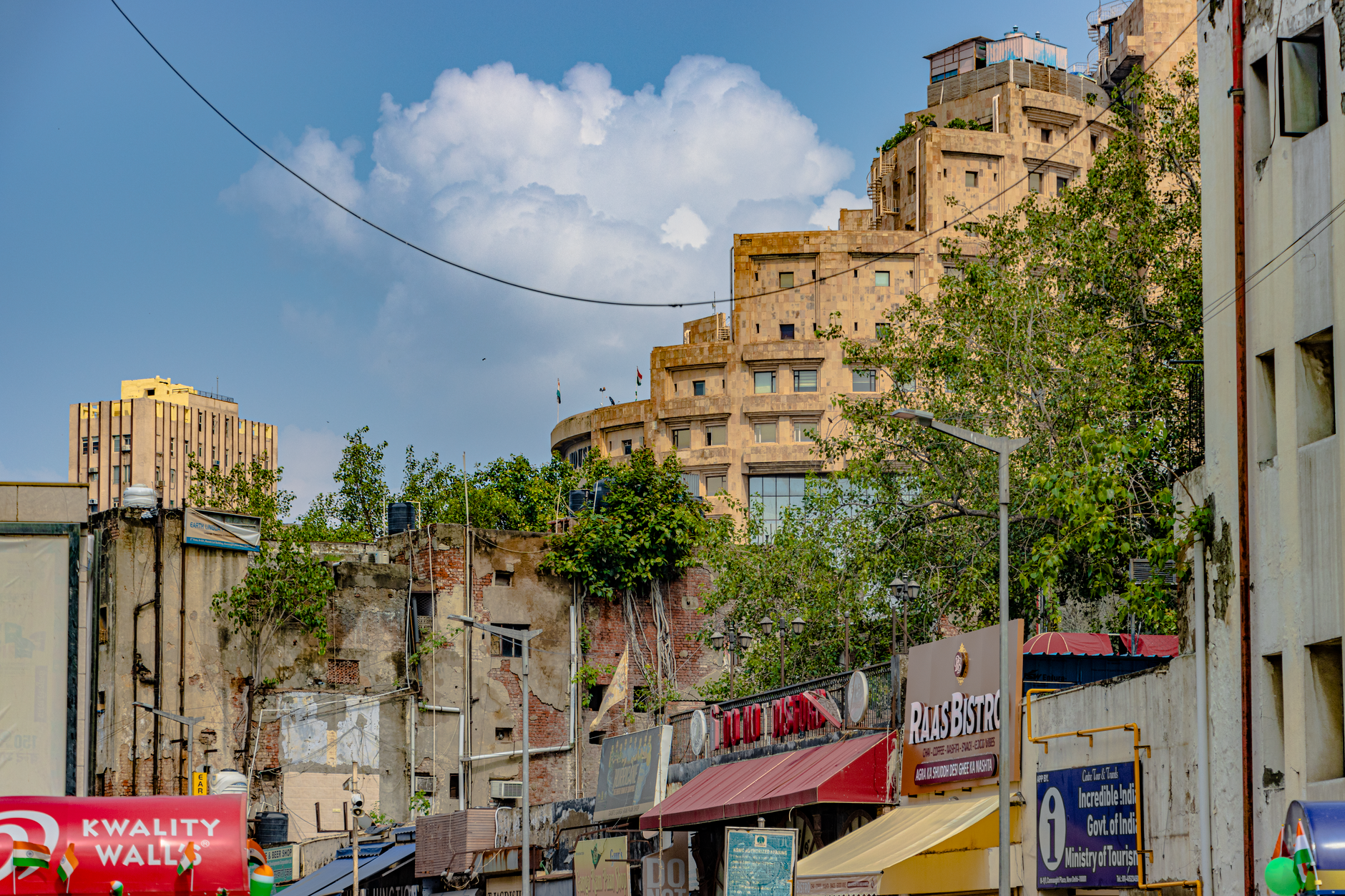
Congress leader Rahul Gandhi on Sunday levelled accusations against the Bharatiya Janata Party (BJP), claiming that the party was responsible for the forced closure of shops in Delhi's Connaught Place. The allegations were made in the wake of a mega rally and march held at the city's Ramlila Maidan, which drew large crowds to the national capital.
Addressing the situation, Mr. Gandhi stated that attendees of the rally had been encouraged to support local businesses by shopping in the prominent commercial area during their visit. However, upon arrival, participants reportedly found the retail hub largely shuttered. The Congress leader argued that these closures were not voluntary but were instead the result of deliberate actions taken by the ruling party.
During his remarks, the former Congress president highlighted the financial impact on local traders, suggesting that the shutdown directly contributed to their economic losses for the day. He questioned the motive behind the alleged enforcement of the closures, asserting that the BJP's actions were the primary cause of the disruption to business activities in one of the city's most significant retail and commercial centres.
"We told everyone that when you come here for the march and the mega rally, buy things, do some shopping. But, while coming to Connaught Place here, we found out that the BJP has forcibly shut down every single shop," he said. He further urged the public to consider the source of the financial strain experienced by these business owners, framing the incident as a matter of concern for the local trading community.
Connaught Place, known for its extensive range of high-street brands, restaurants, and traditional markets, serves as a vital economic node in central Delhi. Any disruption to its operations, particularly during large-scale public events, often has a noticeable ripple effect on the daily revenue of small and medium-sized enterprises operating within the vicinity. The allegations brought forward by the Congress leader have placed the focus squarely on the administrative management of the area during political gatherings.
The rally at Ramlila Maidan, which coincided with these events, attracted a significant influx of people from various parts of the city and beyond. While political demonstrations in the capital frequently involve complex logistical arrangements and security protocols, the claim that commercial operations were forcibly suspended adds a layer of controversy to the conduct of the event.
As of now, the broader implications of these claims remain to be seen, as there has been no immediate clarification from the BJP regarding the logistics or the reasoning behind the reported closures. The incident underscores the ongoing tensions between political groups in the capital, particularly regarding the intersection of large-scale public mobilization and the functioning of the city's commercial infrastructure.
Moving forward, the focus is expected to remain on how such large-scale political events impact the livelihoods of local traders. The discourse surrounding the event has highlighted the challenges faced by shop owners in central districts when navigating the administrative restrictions that often accompany major political rallies in New Delhi.








Comments