


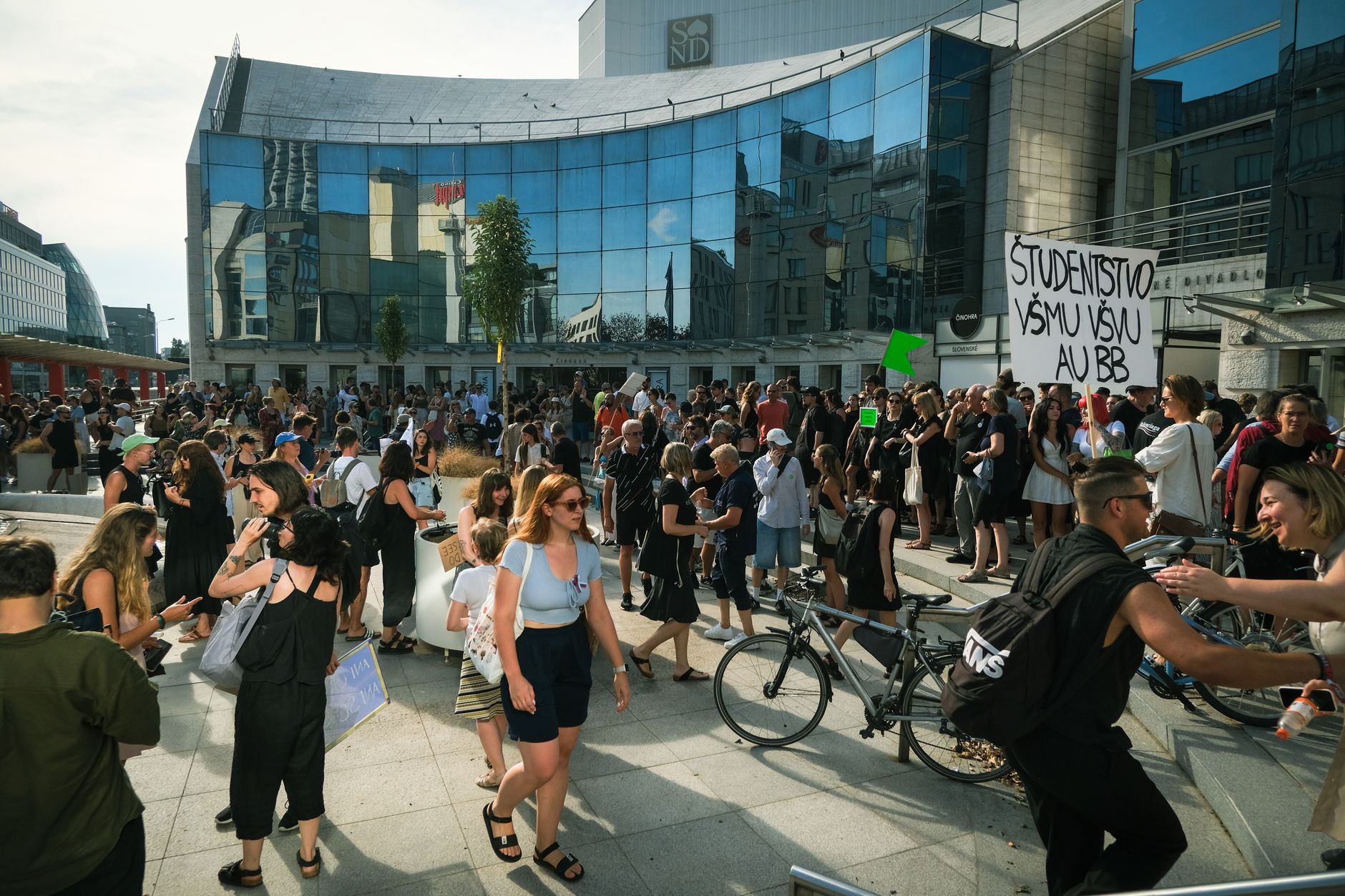
A growing wave of youth-led demonstrations is sweeping across Europe, as young citizens take to the streets to voice their dissatisfaction with public institutions and economic conditions. From the Balkan states to major economies in Western Europe, the protests reflect a complex set of grievances, including the unaffordability of urban housing, insufficient funding for public services, and widespread concern over government corruption.
In the Balkans, these movements have had significant political consequences. Student-led protests in Serbia recently resulted in the removal of a long-standing president, while students in Tirana, Albania, have launched major anti-corruption campaigns. The Albanian protests have also focused on demands for increased investment in education and concerns regarding a controversial luxury tourism project. In Bulgaria, widespread civil unrest triggered by proposed tax increases and social security shifts led to the resignation of the government in December 2025.
The Mediterranean region is facing its own set of pressures, particularly regarding the cost of living. In Spain, persistent discontent over real estate prices and urban affordability prompted Prime Minister Pedro Sánchez to call for a snap election scheduled for November 29, 2026. Data from Eurostat for 2025 highlights the severity of the housing crisis, revealing that more than a quarter of young Europeans aged 15-29 were living in overcrowded conditions, while 9.1% of residents in that age bracket spent at least 40% of their disposable income on housing costs.
Economic experts note that the housing market has increasingly treated homes as financial assets, which has made property ownership significantly harder for younger generations. Alan Bollard, former Governor of the Reserve Bank of New Zealand, observed that these dynamics have created a sense of hostility, as younger people feel they are being left to face environmental and economic consequences without the benefits their predecessors enjoyed. In nations like Greece and Italy, this property crisis is further exacerbated by a notable decline in public education funding, which has fallen below the OECD average in recent years.
In wealthier Western European nations, including France, Belgium, and Germany, the unrest is often attributed to a perceived failure of the state to fulfill its core promises. French students have engaged in weeks of demonstrations demanding improved resources for schools, while protesters across the region have voiced frustrations with poor public services and a lack of transparency in governance. Academics, including Professor Jean-Pierre Landau of Sciences Po, have described a profound sense of anxiety among students, noting that global narratives regarding job instability and environmental threats are intensifying fears about the future.
Ultimately, while the specific catalysts for protests differ by country—ranging from corruption allegations to specific budget disputes—the movements point to a broader, continent-wide trend of distrust toward governing bodies. As these young cohorts navigate a landscape marked by high costs and limited mobility, the persistence of these demonstrations underscores an urgent demand for structural change. The situation continues to evolve as governments attempt to address the economic realities fueling this widespread, multi-national unrest.








Comments