


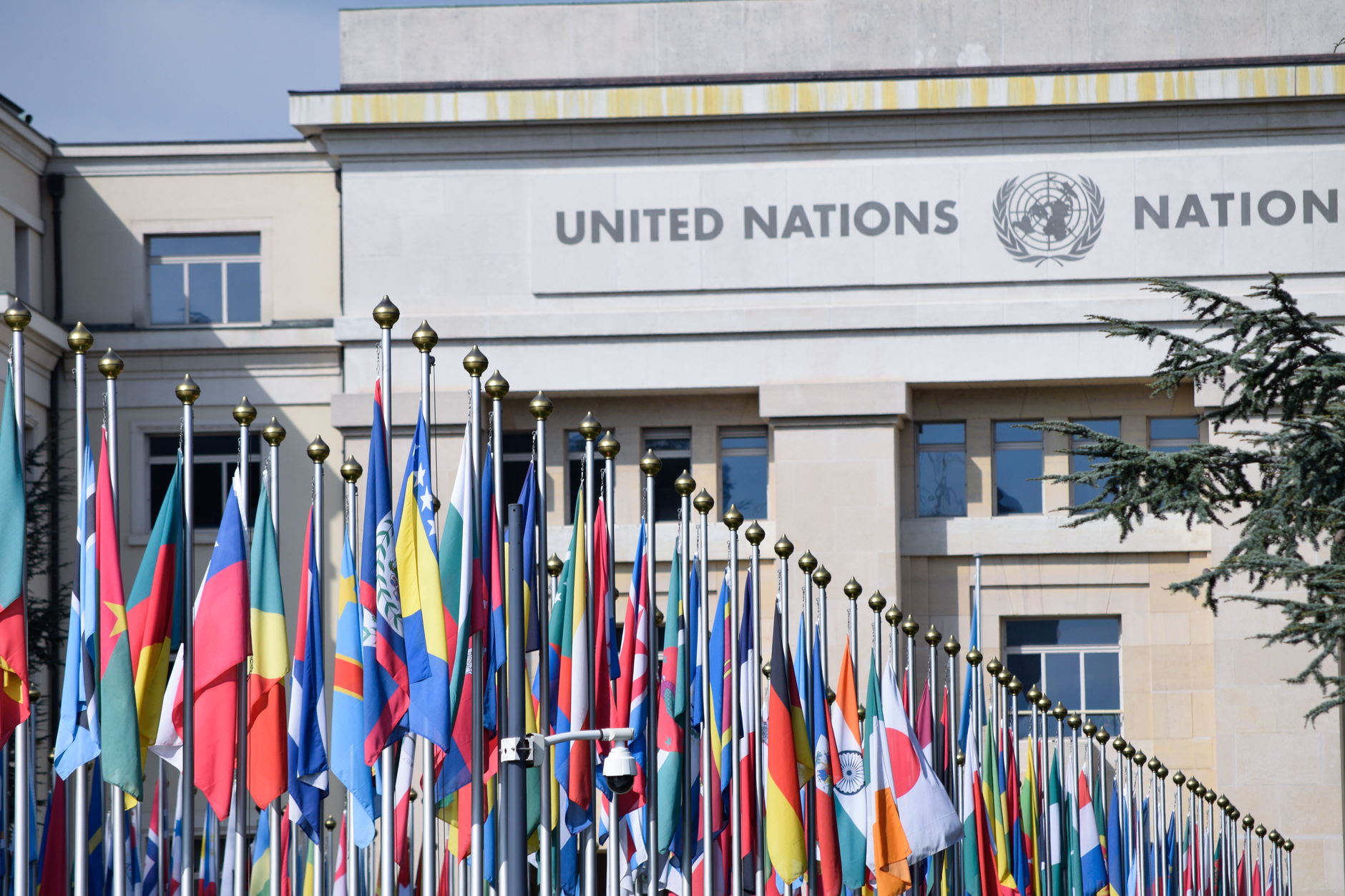
The United Nations has formally concluded its political mission in Somalia, bringing an end to more than three decades of international peacebuilding operations in the East African nation. The closure, which occurred on Saturday, October 30, 2026, followed a structured two-year transition period intended to shift responsibilities back to Somali authorities and the UN country team.
The mission originally began in 1995 as the United Nations Political Office for Somalia (UNPOS). In 2013, the UN Security Council established the United Nations Assistance Mission in Somalia (UNSOM) to provide critical support to the federal government. The mandate focused on assisting the nation’s transition toward democracy, fostering the rule of law, and navigating the complexities of post-conflict recovery following years of instability involving militias, criminal gangs, and Islamist groups.
The impetus for the mission’s closure began in May 2024, when Somalia’s President Hassan Sheikh Mohamud formally requested that the United Nations terminate the operation. Although the initial request sought an immediate end, the government subsequently reached an agreement for a two-year transition phase. During this period, the mission was rebranded as the UN Transitional Assistance Mission in Somalia (UNTMIS) to facilitate the orderly handover of its various functions.
Raisedon Zenenga, the officer-in-charge of UNTMIS and the deputy special representative of the UN secretary-general, described the withdrawal as the conclusion of a distinct chapter in the international partnership with Somalia. While acknowledging the significant strides made in the country’s recovery since the early years of the mission, Zenenga emphasized that the end of UNTMIS does not signal an total abandonment of the partnership between the global body and the nation.
The conclusion of the mission arrives at a precarious moment for the Somali state. The militant group Al-Shabaab, which maintains links to Al-Qaeda, continues to exert control over large regions of central Somalia. Despite extensive international military campaigns aimed at curbing the group’s influence over the past two decades, the security situation remains volatile. Recent concerns have also been raised regarding the stability of international funding for military operations, particularly following the withdrawal of American support for a vital UN logistics mission.
Political challenges loom on the horizon as well. Somalia is currently preparing for parliamentary and presidential elections scheduled for next May. The electoral process faces potential disruptions due to persistent security threats and unresolved disputes among opposition factions. Observers note that the capacity of domestic institutions to handle these upcoming national events without the direct political support of a UN mission will be a significant test for the country's future stability.
As the mission files are closed, the United Nations maintains that the transfer of mandates to local institutions represents a necessary step in Somalia’s sovereign governance. The international community continues to monitor the region, though the nature of the engagement has fundamentally shifted. For now, the transition serves as a milestone in the long-term international attempt to restore stability to the Horn of Africa, marking the beginning of a new phase where the Somali government takes full responsibility for its political and security trajectory.








Comments