


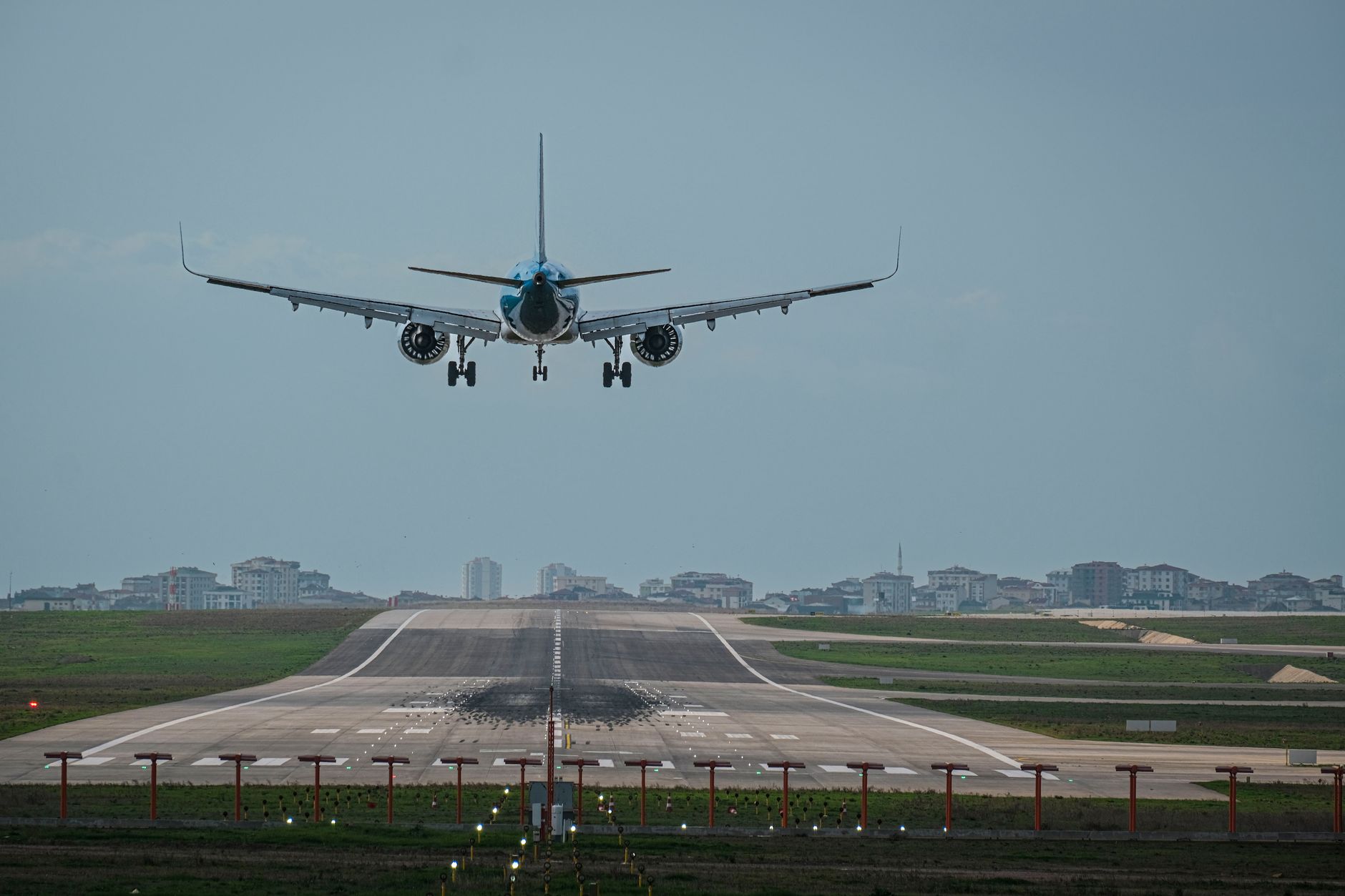
An Akasa Air aircraft operating flight QP 1925 from Ahmedabad to Kolkata encountered a tail strike incident during its approach to Kolkata airport. According to an official statement released by the airline, the incident occurred during the landing phase, necessitating immediate corrective action by the cockpit crew. The pilots successfully executed a go-around maneuver, prioritizing the safety of the passengers and the structural integrity of the aircraft before completing a subsequent safe landing at the airport.
A tail strike happens when the lower rear section of an aircraft fuselage makes contact with the runway surface during takeoff or landing. This often occurs if the pitch angle of the aircraft is excessively high or if the landing flare is performed improperly, causing the tail to descend lower than the main landing gear. In aviation, safety protocols dictate that such an event must be treated with significant caution, as it can cause damage to the fuselage, control surfaces, and internal sensors located in the rear of the plane.
Following the successful landing at Kolkata, the airline confirmed that all passengers and crew disembarked without incident. Akasa Air noted that the aircraft was subsequently grounded for a thorough technical inspection to assess the extent of the damage. This standard operating procedure is strictly mandated by the Directorate General of Civil Aviation (DGCA) to ensure that any flight vehicle involved in a physical impact on the runway is examined for potential structural stresses before it is cleared for future flight operations.
While tail strikes can occasionally be minor, they pose risks to the rear pressure bulkhead and the tail cone assembly. The engineering team is currently evaluating the specific impact points to determine what repairs or maintenance procedures are required. Reports from the ground indicate that the aircraft taxied to the arrival gate after the secondary landing, allowing ground staff to secure the vessel for the engineering review. There has been no information provided yet regarding the specific cause of the landing instability that led to the tail contact.
The incident has drawn attention to the operational challenges at Kolkata's Netaji Subhash Chandra Bose International Airport, which serves as a major hub for domestic carriers in Eastern India. Aviation experts emphasize that go-around procedures are a fundamental safety training requirement for all commercial pilots. By deciding to abort the initial landing attempt, the flight crew demonstrated adherence to established safety margins, which are designed to mitigate risks when environmental factors—such as wind shear or visibility issues—or pilot error might otherwise result in a hard landing.
As the investigation proceeds, aviation regulatory bodies are likely to review the flight data recorder and the cockpit voice recorder to determine the exact sequence of events leading to the tail strike. This data helps the industry improve pilot training and landing techniques to minimize the occurrence of such incidents across the country's busy airspace. Akasa Air has maintained its commitment to regulatory compliance and stated that they are cooperating fully with the necessary post-incident protocols.
Passengers who were scheduled for onward travel on the affected aircraft were provided with alternative arrangements, according to industry sources familiar with the airline's standard contingency plans. The airline's operational teams are working to minimize any further disruption to the flight schedule for the remainder of the week as the damaged aircraft remains parked in the hangar. Such incidents serve as a reminder of the rigorous maintenance and safety checks that define the commercial aviation sector in India, where passenger safety remains the primary focus of all air operators and government regulators.







Comments