


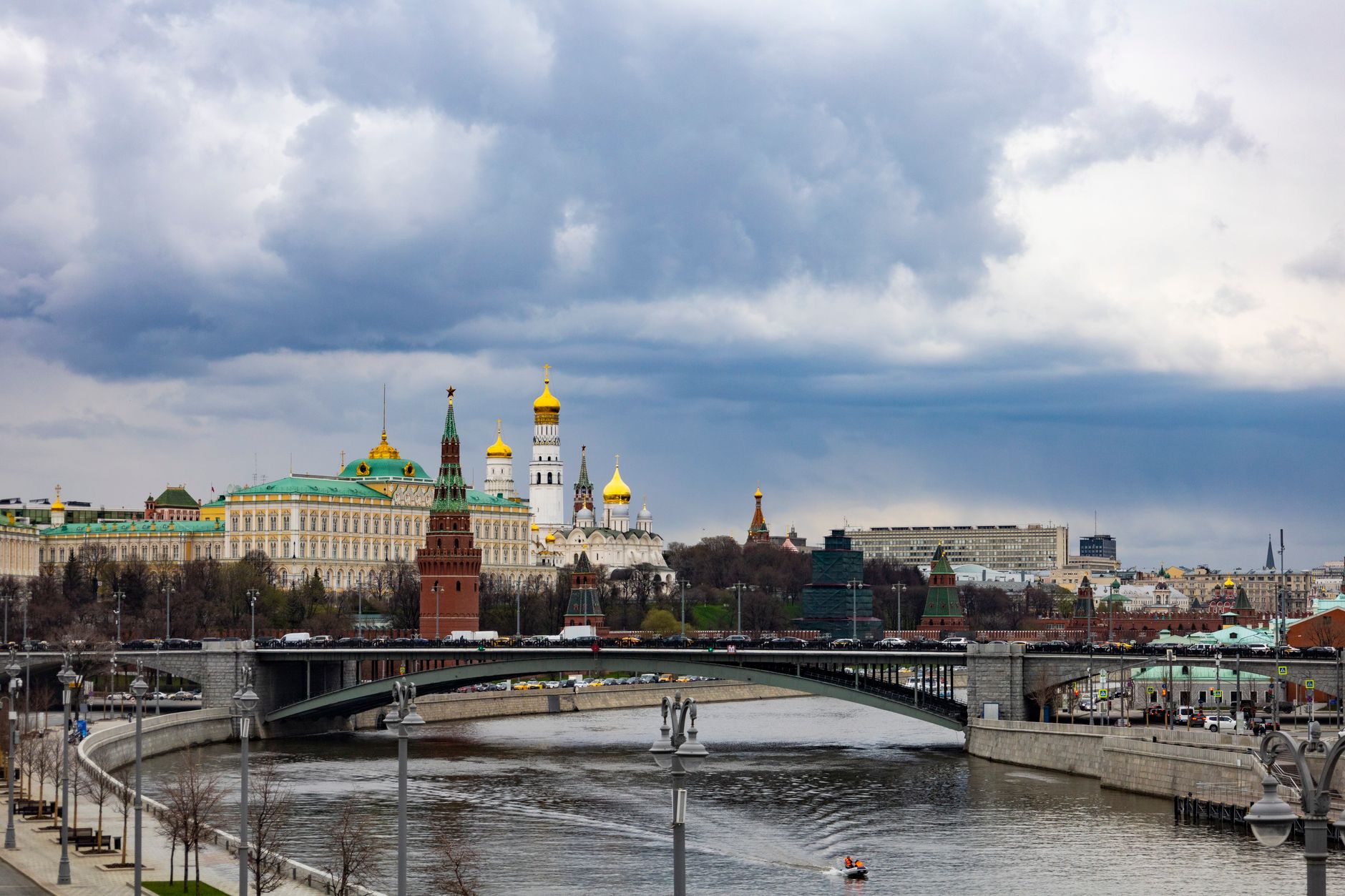
Russia’s Federal Security Service, known as the FSB, confirmed late on October 31, 2026, that it had received specific intelligence from the United States regarding preparations for a terrorist attack within Moscow. According to the security agency, the information was shared through established partner communication channels, allowing Russian authorities to initiate appropriate security measures in response to the potential threat.
Separately, the United States Embassy in Moscow issued an official statement indicating that it was “aware of a credible threat of a mass casualty event” scheduled to occur on October 31. The U.S. mission noted that it was actively coordinating with Russian authorities to manage the situation and address the security concerns as they evolved throughout the day.
As a direct result of these reports, the Tsaritsyno Museum Reserve, a prominent palace museum and park complex located in the southern part of Moscow, was temporarily closed to the public. Reporting from the site, the RIA news agency cited Russian law enforcement officials, who confirmed that access to the sprawling park and museum grounds had been strictly restricted to ensure public safety while investigations into the alleged plot continued.
This exchange of security intelligence between Washington and Moscow carries significant weight given the recent history of similar alerts in the region. In March 2024, the United States Embassy had issued a public warning stating that extremists were actively planning an imminent attack in the Russian capital. Only days after that specific advisory was released, gunmen targeted the Crocus City Hall concert venue on the outskirts of Moscow. The subsequent assault resulted in the deaths of more than 140 people, marking one of the most significant security failures in the region in recent years.
The current situation remains fluid as Russian law enforcement continues to monitor the areas identified as being at risk. While the FSB has confirmed the receipt of information, specific details regarding the nature of the plot or the identities of those involved remain undisclosed. The coordination mentioned by the U.S. Embassy suggests an effort to prevent a repeat of past incidents, though authorities have provided limited commentary on the broader security implications of the intelligence received.
For the residents of Moscow and visitors to the capital, the closure of major public spaces like the Tsaritsyno Museum Reserve serves as a visible reminder of the heightened security environment. As the Russian government implements measures to counter the reported threat, the incident underscores the ongoing challenges of monitoring potential mass casualty events in large urban centers.
International observers are closely watching how this diplomatic and intelligence cooperation unfolds. The ability of both nations to communicate effectively during moments of critical security threats is often seen as a litmus test for the durability of intelligence-sharing protocols. For now, the primary focus remains on the containment of the immediate threat at the museum and the broader efforts to maintain order across the city. As officials continue their work, the public has been advised to follow directions from local law enforcement, with further updates expected as the investigation into the credibility and scope of the threat progresses.








Comments