


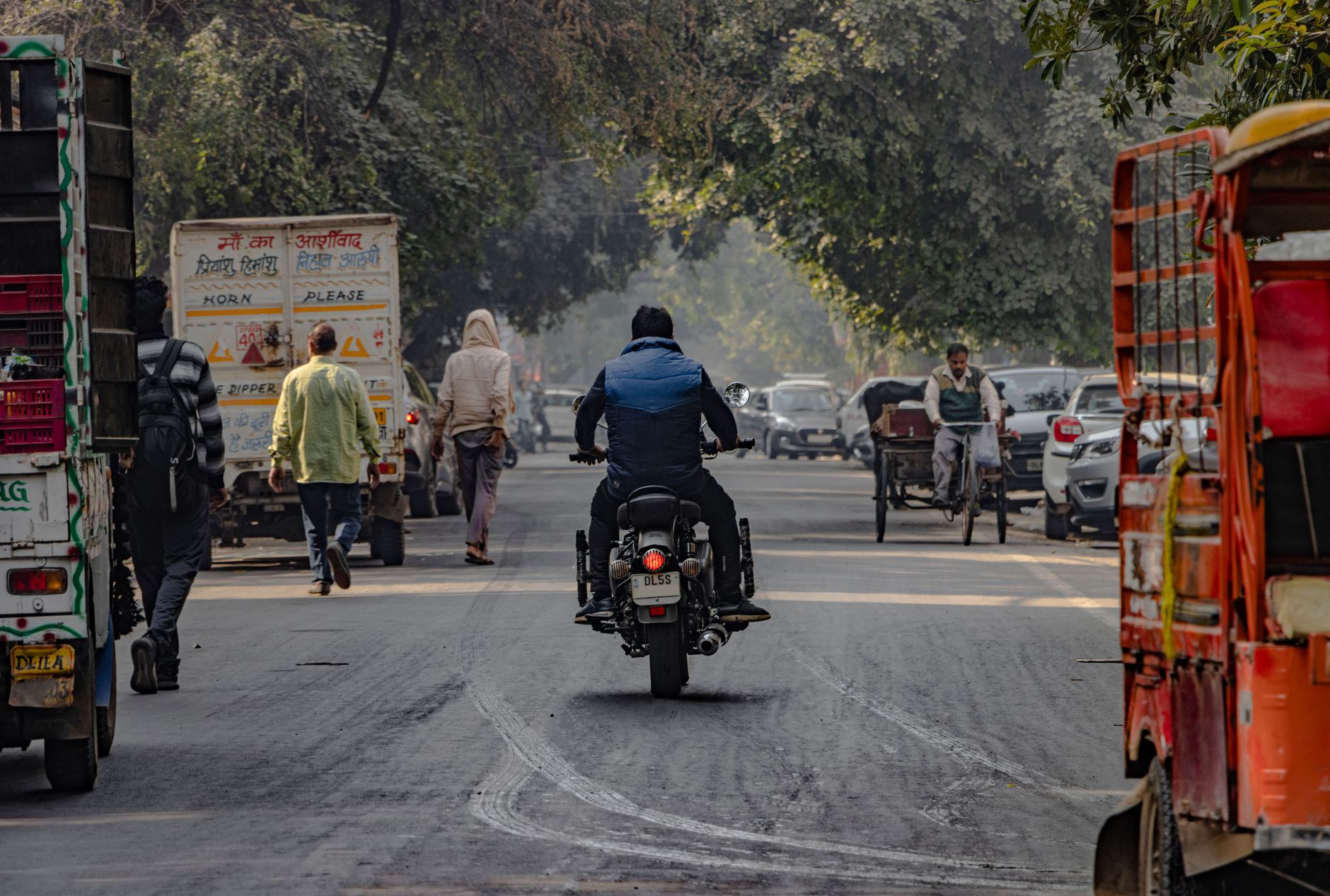
The Delhi High Court Bar Association (DHCBA) has formally reached out to the capital’s administrative and judicial leadership, seeking a crucial exemption for the legal community ahead of new vehicle restrictions. In a letter addressed to the acting Chief Justice of the Delhi High Court, Nitin Sambre, and Delhi’s Lieutenant Governor, Taranjit Singh Sandhu, the bar body requested that advocates, judges, and court staff be spared from the ban on BS-IV vehicles, which is scheduled to take effect this Sunday.
The plea follows the Delhi Traffic Police’s announcement on Friday regarding fresh travel restrictions implemented under the revised Graded Response Action Plan (GRAP). These measures, aimed at curbing rising pollution levels and improving air quality in the national capital, require motorists to ensure their vehicles comply with specific emission standards before entering Delhi. The Traffic Police have advised citizens to verify their vehicle credentials to avoid penalties once the rules come into force on November 1, 2026.
N Hariharan, the president of the DHCBA and a senior advocate, spearheaded the request. In his communication, he emphasized the unique logistical challenges faced by those working within the judicial system. He pointed out that a significant number of lawyers and court personnel reside outside the city, commuting daily from satellite townships including Noida, Gurugram, and Ghaziabad. According to the association, the exorbitant cost of housing within Delhi makes residing in the capital an unfeasible proposition for many advocates and staff members.
The letter framed the work performed by these individuals as an essential service, arguing that the administration of justice should not be hindered by transportation constraints. By requesting an exemption, the DHCBA aims to ensure that the legal workforce can continue their duties without the disruption caused by the new environmental compliance rules. The association noted that their request is grounded in the necessity of maintaining the consistent operation of the courts.
Contextualizing the request, the DHCBA highlighted the history of emission standards in the region. The association pointed out that BS-VI standards were introduced for the capital in 2020. Furthermore, the letter referenced previous orders from the transport department and the Supreme Court, which have historically permitted vehicles adhering to earlier emission standards to operate, provided they fall within a lifespan of 10 years for diesel vehicles and 15 years for petrol-powered ones.
As the capital prepares for the implementation of the GRAP-aligned restrictions, the request from the legal fraternity underscores the broader impact these anti-pollution measures have on the daily lives of commuters. Whether the authorities will grant a special dispensation remains to be seen, as the government continues its efforts to address the city’s recurring air quality crises through stricter vehicle regulation.
The move by the bar association reflects the ongoing friction between the enforcement of environmental policies and the practical realities of a workforce heavily reliant on cross-border travel. As of the latest updates, the administration has not issued a final decision on whether it will accommodate the request for a specific exemption for the legal community.








Comments