


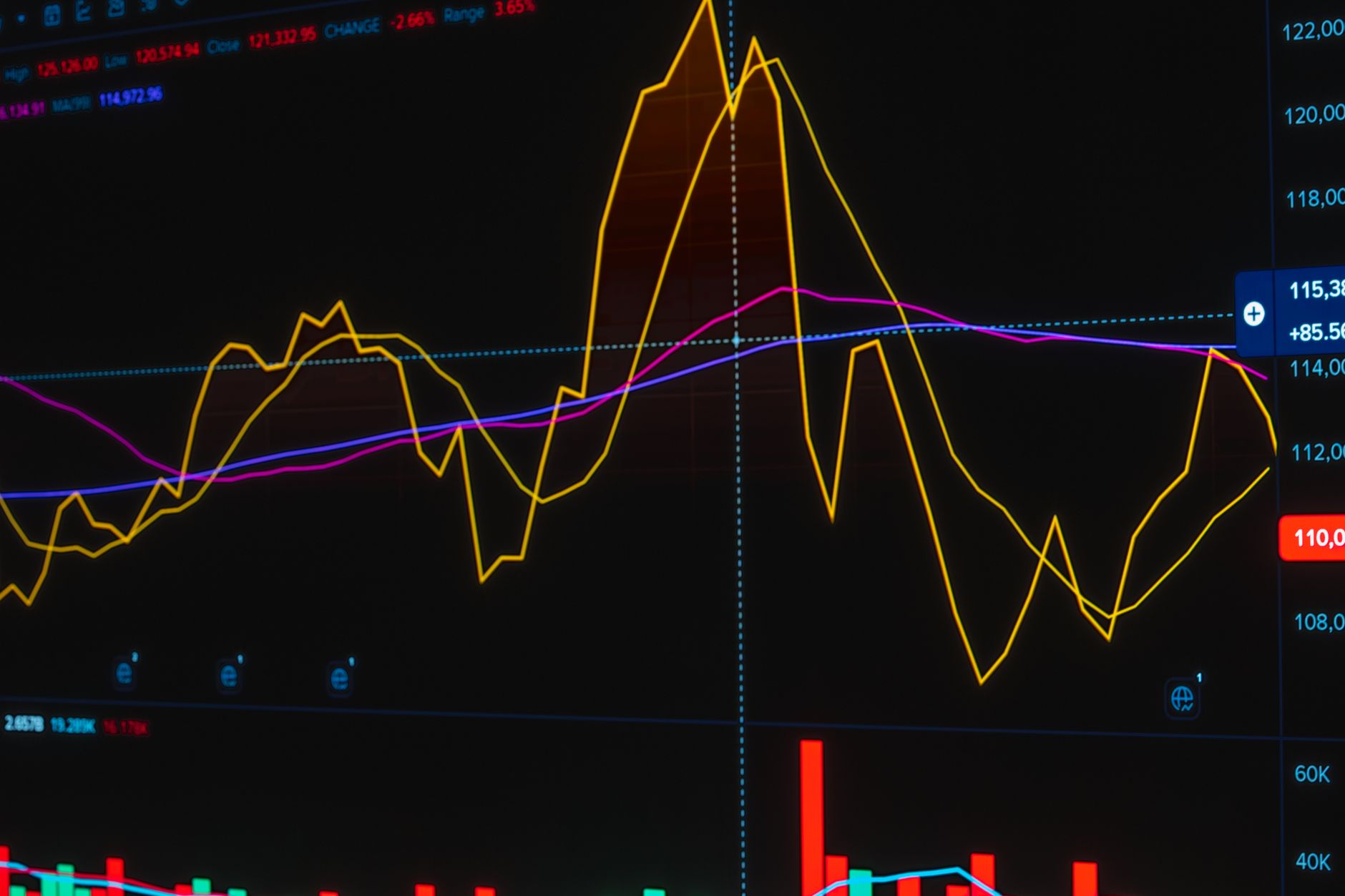
The Nasdaq 100 index is on track to record a significant downturn this month, with its market value set to decline by more than $2 trillion. This contraction, representing a loss of over 5.8% for the month of October, highlights growing investor anxiety regarding the financial viability of the artificial intelligence boom. As tech giants continue to pour billions into AI infrastructure, the market is increasingly questioning whether these substantial capital expenditures will translate into rapid and sustainable returns.
The current market turbulence is driven by a combination of factors, including intensified scrutiny of Big Tech’s earnings and the rising costs of borrowing. Hyperscalers such as Meta Platforms, Alphabet, and Amazon have all raised their capital expenditure forecasts, fueling fears that mounting spending could necessitate an increased reliance on capital markets. This strategy is causing unease among investors, who are concerned about the potential for shareholder dilution and the long-term burden of debt-financed growth in a high-interest-rate environment.
Corporate performance has been uneven, contributing to the volatility. Alphabet experienced a record single-day percentage decline on Thursday following disappointing results in its core search advertising business and a sharp increase in cash burn. Meanwhile, Intel shares faced a severe sell-off, dropping 30% on Friday—a performance flirting with the company’s worst daily decline since 1974. Conversely, firms like Microsoft and SpaceX have provided some stability, with reports suggesting that their specific AI investments are beginning to show signs of fiscal payoff.
The shift in investor sentiment is also impacting credit markets. There is a growing realization that companies previously considered insulated from macroeconomic pressures may be vulnerable to the risks associated with debt-funded AI infrastructure. With Morgan Stanley forecasting that global capital spending on AI infrastructure could exceed one trillion dollars next year, analysts are monitoring whether financing costs will continue to squeeze margins. JP Morgan projects that global AI capital expenditure could reach $5.5 trillion by 2030, with an estimated $900 billion spent in 2026 alone.
Despite these mounting concerns, demand for AI-driven services remains high. Revenue growth across the so-called "Magnificent Seven" has remained resilient since the launch of ChatGPT in 2022. Amazon’s cloud division, Amazon Web Services, continues to show strong acceleration, while Meta and Microsoft have also reported positive revenue growth in their latest earnings updates. John Bilton, global head of strategic research at Multi-Asset Solutions, noted that while market growth expectations might have been overestimated, the aggregate demand for data remains significant.
As the sector moves forward, the reliance on debt to fund infrastructure remains a central point of concern. Microsoft, for instance, is reportedly planning a $25 billion investment-grade bond sale, marking its first such move in over nine years. With Meta, Amazon, and Alphabet having issued hundreds of billions of dollars in debt over the past four years, the broader market is watching closely to see if this trend of heavy borrowing can withstand continued scrutiny from shareholders and lenders alike.
Ultimately, the performance of the Nasdaq in the coming months will likely depend on whether Big Tech companies can demonstrate that the current record-high levels of capital expenditure are a strategic necessity for long-term growth rather than a short-term risk. For now, the combination of slower returns on massive investments and tighter financial conditions has led to the most significant market correction the tech-heavy index has seen this year.








Comments