


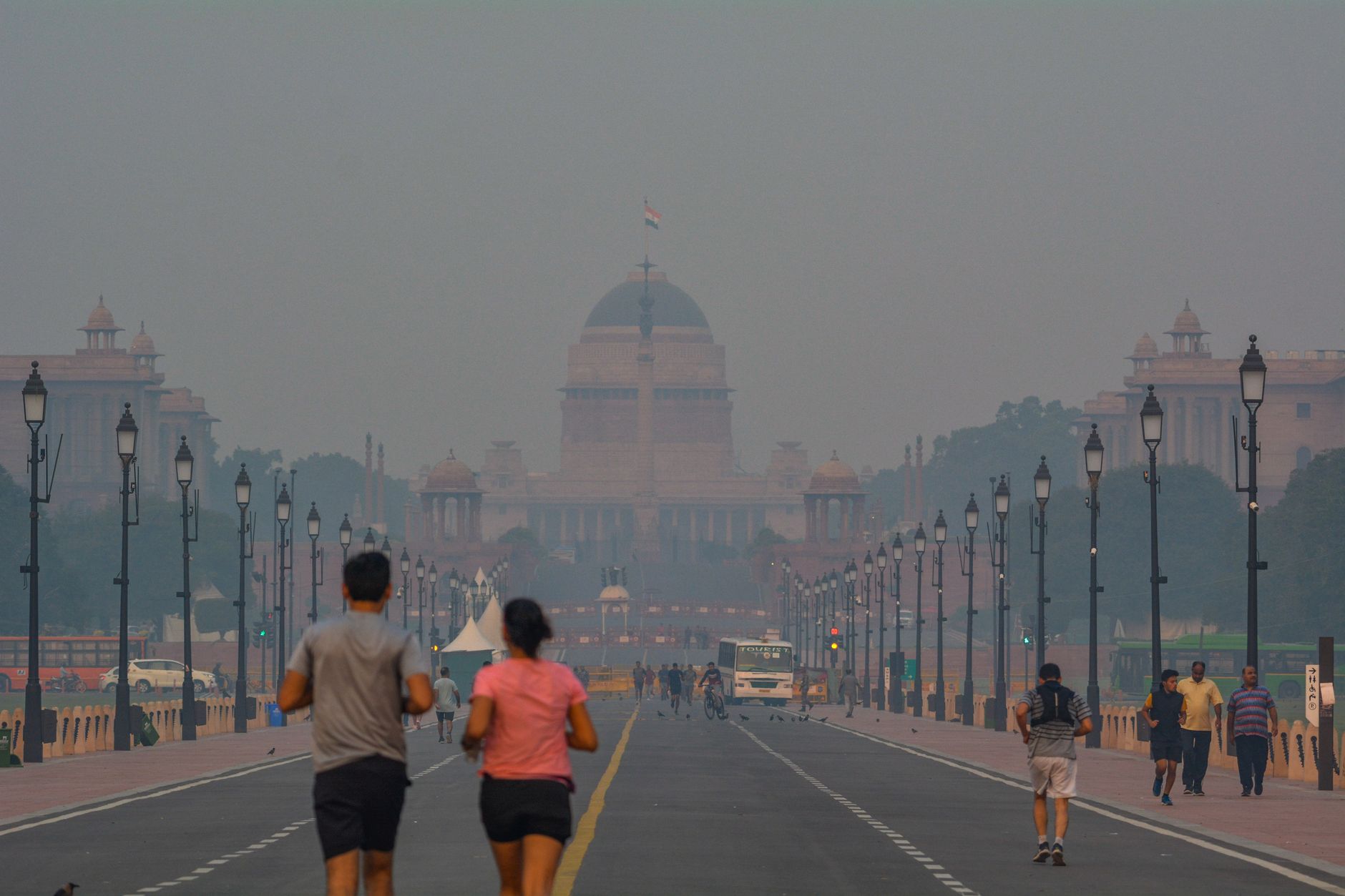
New Delhi has witnessed an extraordinary shift in its weather patterns, recording its coldest October day in 75 years. The capital city, which typically experiences a gradual transition from summer to winter during this period, saw temperatures plummet following a spell of heavy rainfall. This meteorological event has broken long-standing records, leaving residents to adjust to unseasonably chilly conditions much earlier than anticipated.
Meteorological data indicates that the sudden drop in the mercury is a direct consequence of the recent heavy precipitation that swept across the National Capital Region. The rain, while beneficial for clearing the air and improving the capital's overall air quality index, acted as a catalyst for a drastic cooling effect. As the clouds dispersed, the shift in atmospheric pressure and humidity levels resulted in daytime temperatures remaining significantly below the historical average for the month of October.
The impact of this temperature decline has been immediate across the city. Residents, who were largely accustomed to the lingering warmth of post-monsoon days, were observed reaching for winter garments as the early morning and late evening hours became increasingly cold. The presence of shallow fog, a feature usually reserved for the peak of winter in December and January, has also been reported in various parts of the city during the early hours, further emphasizing the intensity of the cold front.
For a city that often grapples with extreme heat during the summer and intense pollution in the winter, this cooling trend has brought a temporary respite, albeit an extreme one. Environmental analysts have noted that the heavy rainfall played a crucial role in scrubbing the atmosphere, leading to exceptionally clean air. However, the downside remains the rapid onset of low temperatures, which caught many commuters and outdoor workers off guard.
The current weather anomaly is being closely monitored by regional meteorological departments to determine its duration and potential long-term effects on the upcoming winter season. While the immediate drop in temperature is linked to the recent rain, climate observers are evaluating whether this sets a precedent for the months ahead. Historically, October serves as a bridge between seasons, but this year has defied traditional climatic patterns seen over the last seven decades.
As the city adjusts to this crisp and unseasonal environment, civic authorities have remained alert to the potential challenges that come with sudden cold spells. These include the impact on vulnerable populations and the usual rise in respiratory complaints that often follow drastic shifts in weather. For now, the capital remains under a blanket of uncharacteristically cold air as the city’s inhabitants navigate a rare meteorological event.
Looking ahead, weather forecasts suggest that while temperatures may stabilize, the influence of the recent rain continues to dictate the local climate. Residents are advised to monitor official updates as the capital prepares for the potential arrival of an earlier-than-usual winter. The record-breaking nature of this temperature drop underscores the volatile and shifting climate conditions that have become a subject of growing interest for both scientists and the general public in India.








Comments