


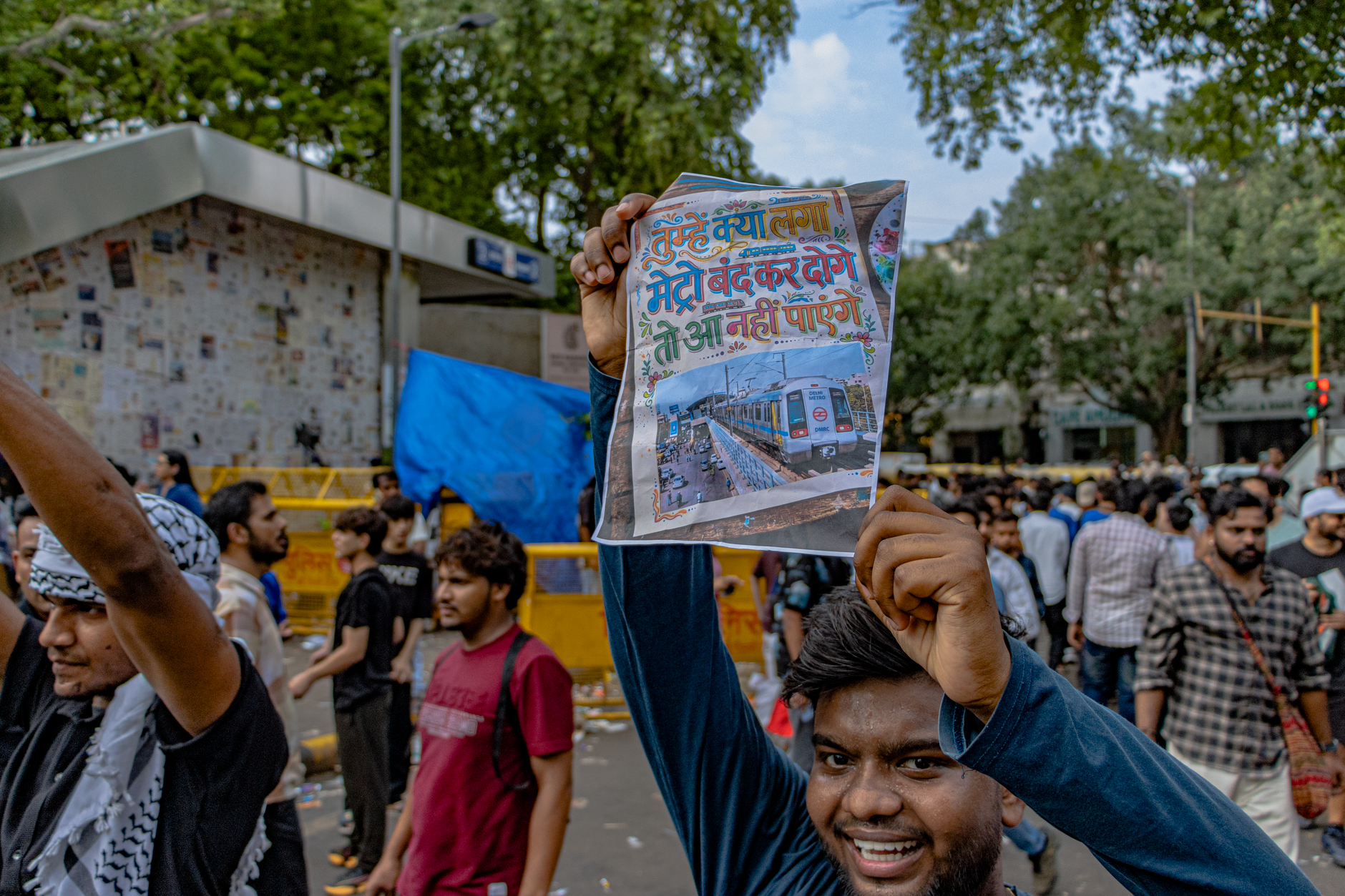
India has formally rejected remarks made by the United Nations Human Rights Office (OHCHR) regarding recent demonstrations in New Delhi. In a statement issued by the Permanent Mission of India to the UN in Geneva, the government characterized the international body's concerns as “misplaced” and asserted that the comments amounted to an unnecessary interference in the nation’s internal affairs.
The protests in the capital, organized by the Cockroach Janta Party (CJP) and other groups, were centered on demands for the resignation of Chief Election Commissioner Gyanesh Kumar. Demonstrators alleged irregularities during the Special Intensive Revision of electoral rolls. Ahead of the planned gathering at Jantar Mantar, the Delhi Police denied official permission for the event, citing concerns related to public safety, traffic management, and the maintenance of law and order. The denial followed past incidents involving alleged rule violations during similar demonstrations.
In its response, the Indian mission emphasized that the right to peaceful assembly is firmly protected by the Indian Constitution. Officials maintained that these rights are safeguarded by robust national institutions, including an independent judiciary and a free media. The statement further clarified that while citizens possess the right to assemble, this is subject to “reasonable restrictions” implemented in the interest of public order. Indian authorities insisted that all actions taken during the protests were in accordance with the law and noted that the country’s courts remain accessible to anyone seeking legal redress for grievances.
The dispute has also drawn attention from the Supreme Court, which previously intervened regarding the impact of protest-related curbs on public transport. The court emphasized the necessity of striking a balance between the fundamental right to protest and the responsibility to prevent major disruptions to essential services. In its closing remarks, India urged the UN body to demonstrate impartiality and non-selectivity, suggesting that the OHCHR should dedicate equal focus to large-scale protests occurring in other parts of the world.








Comments