


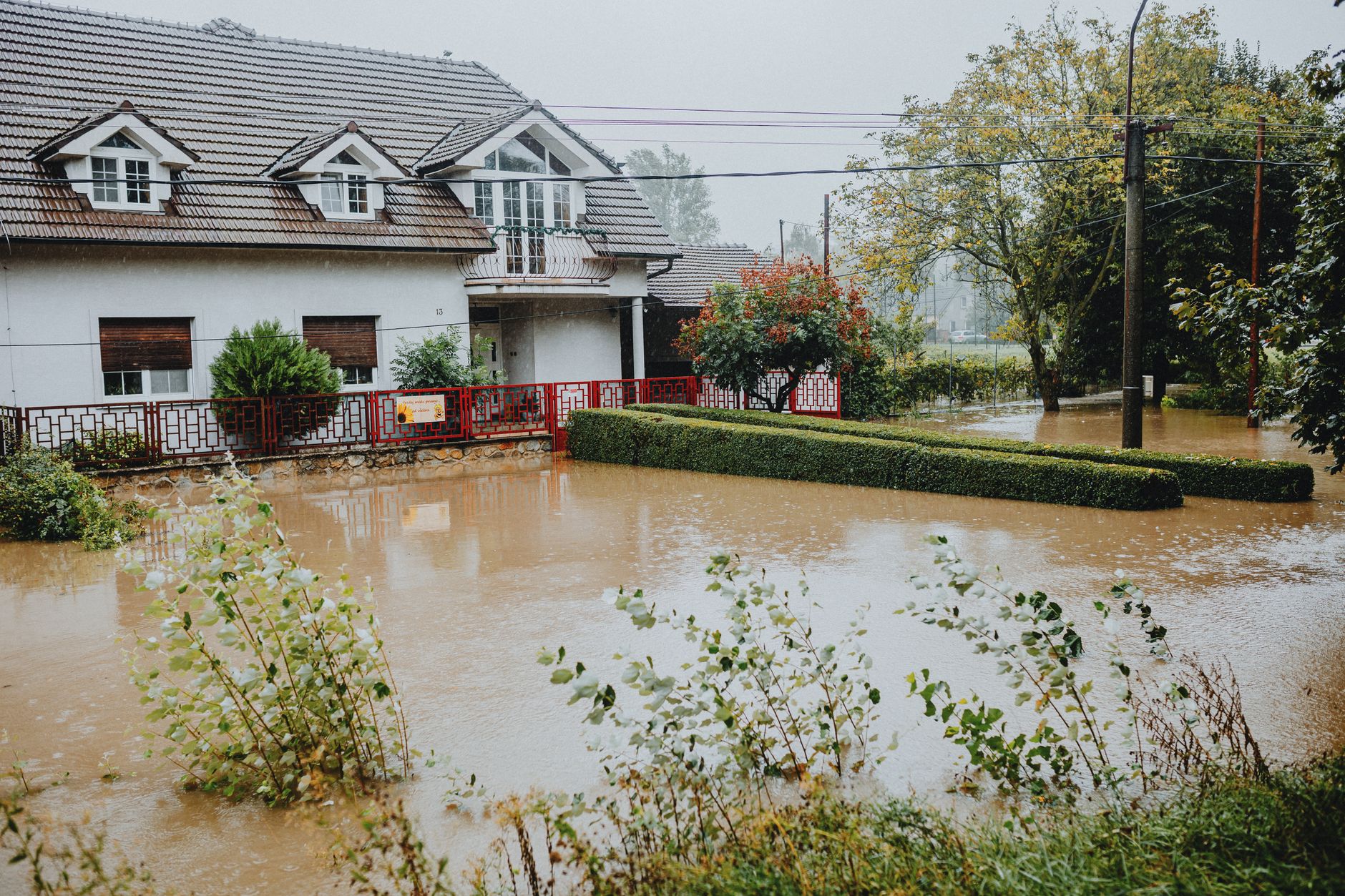
A series of intense rainstorms has triggered devastating flash floods across eastern Syria, resulting in the deaths of at least seven people, including five children. The casualties, confirmed by regional authorities, occurred as heavy rainfall overwhelmed local drainage systems, leading to widespread inundation in the provinces of Raqqa, Deir al-Zor, and Hasakah, as well as parts of Aleppo.
Raed al-Saleh, the Minister of Emergency and Disaster Management, provided details on the unfolding crisis, noting that the five children lost their lives after drowning in pools created by the sudden floodwaters. Another fatality was reported as a result of a traffic accident caused by the hazardous conditions. While the specific circumstances surrounding the seventh death were not immediately disclosed, officials confirmed that the rescue efforts remain active.
As of Friday, four people are still reported missing. Emergency and civil defence teams are continuing search and rescue operations in the affected areas. According to official reports, civil defence personnel have undertaken more than 550 emergency missions since the extreme weather began. These efforts have led to the rescue of at least 60 individuals who were trapped by rising water levels, with crews responding to over 900 distress calls from residents in the hardest-hit regions.
The impact of the flooding has been particularly severe for vulnerable populations, including families living in displacement camps. Emergency workers successfully evacuated 375 families from various camps in Raqqa province and provided critical assistance to those affected by flooding in rural Aleppo and Idlib. Furthermore, responders evacuated over 350 students from two schools that were threatened by the encroaching water, while pumping equipment was deployed to clear water from approximately 250 residential homes and public infrastructure buildings.
Significant damage to critical infrastructure has further complicated the relief efforts. In Deir al-Zor, the provincial capital and surrounding districts, the floods severely damaged major roads and telecommunications infrastructure, leading to major disruptions in local transport and communication services. The state-run news agency SANA reported that seven culverts collapsed under the pressure of the runoff, effectively cutting off land access to several remote areas and hindering the movement of emergency supplies.
In response to the deteriorating situation, local authorities mandated the suspension of all school classes in Raqqa, Hasakah, and Deir al-Zor on Thursday. The decision was made to ensure the safety of students and staff as floodwaters rendered many travel routes impassable. Meteorological forecasters have warned that the current weather pattern remains unstable, with unsettled conditions expected to persist into Saturday, potentially exacerbating the risks for those already displaced or living in low-lying areas.
The scale of the disaster highlights the ongoing challenges facing infrastructure in these conflict-impacted regions, where the capacity to manage sudden climate-driven events remains limited. As rescue teams continue their search for the missing, the focus remains on stabilising the areas where public buildings and housing have been most severely compromised by the relentless rainfall. The government has continued to coordinate with civil defence units to manage the immediate aftermath of the floods and assess the long-term damage to the region's essential utilities.








Comments