


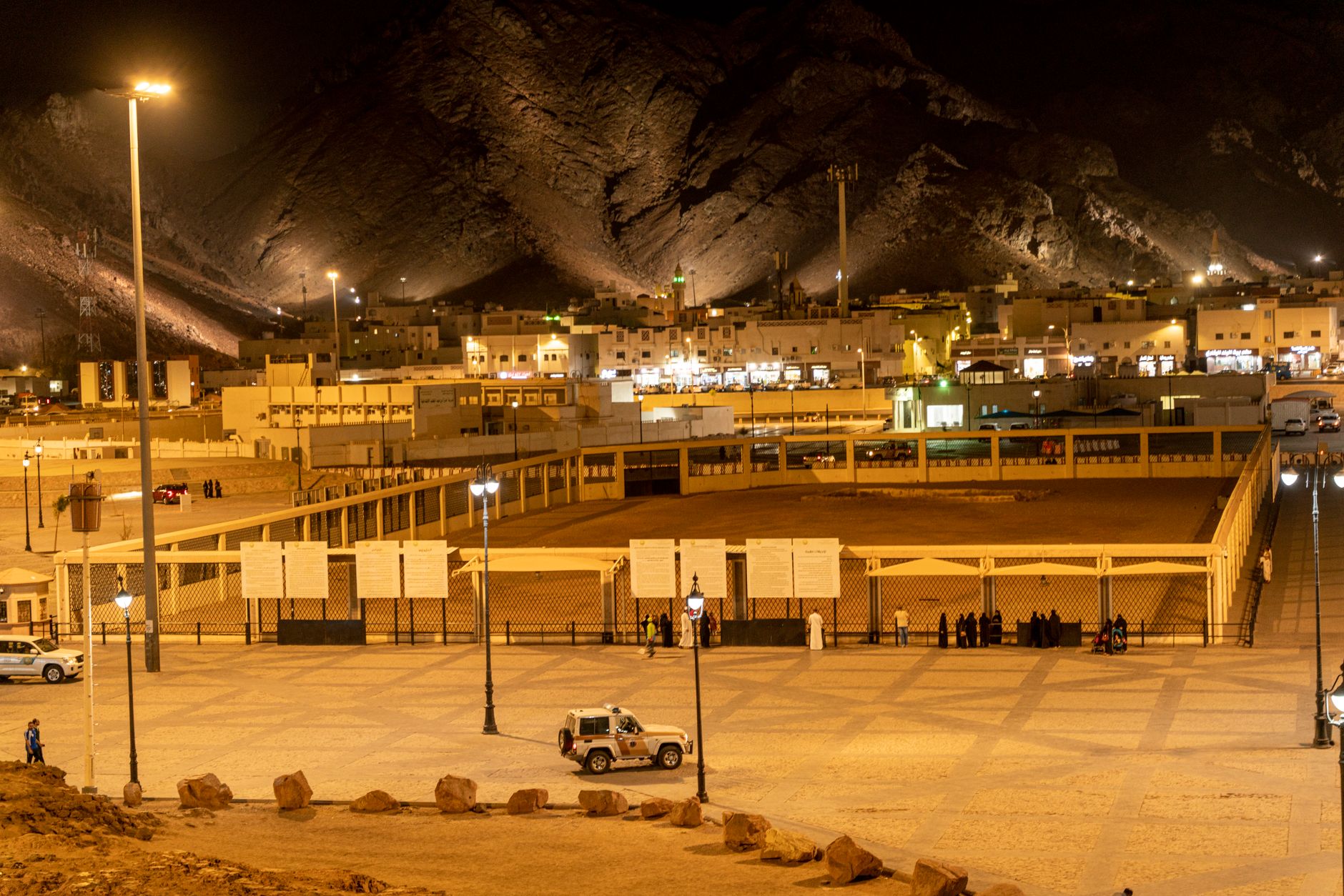
The Saudi-led coalition announced on Friday that its air defences successfully intercepted and destroyed a drone launched by Houthi rebels, which authorities claim was directed toward the Mecca region of Saudi Arabia. According to coalition spokesman Turki al-Malki, the interception took place on Friday morning. This incident marks another escalation in the ongoing conflict between the Riyadh-backed Yemeni government and the Iran-backed Houthi movement.
In addition to the drone interception, the coalition reported that a cruise missile aimed at western Saudi Arabia was also intercepted and destroyed during the same operational window. These developments follow a series of similar announcements made by the coalition throughout the week, as hostilities between the two factions show little sign of abatement. On Thursday, officials stated that a ballistic missile launched toward the kingdom’s eastern region was successfully neutralized, alongside two other ballistic missiles that were intercepted while targeting the Saudi capital, Riyadh.
The Houthi movement has issued a strong rebuttal to the claims regarding the Mecca region. A spokesperson for the group denied any intention of targeting the Muslim holy city or its surrounding areas. The Houthi leadership reiterated that their cross-border military operations are exclusively focused on Saudi energy facilities and military infrastructure. In a statement, the Houthi spokesperson characterized the Saudi allegations as fabrications, asserting that their strategic objectives remain limited to military and economic targets within the kingdom.
Saudi Arabia has previously accused the Houthi rebels of launching multiple aerial assaults aimed at Islam’s two holiest cities, Mecca and Medina. These accusations form a significant part of the narrative maintained by the Saudi-led coalition, which seeks to hold the Houthi forces responsible for regional instability. The coalition maintains that such attacks represent a direct threat to the sanctity of these regions, a charge the rebels continue to reject as part of a propaganda campaign led by the Saudi government.
The persistent cycle of drone and missile launches, followed by coalition interceptions, highlights the volatile nature of the conflict as it stretches across the border. While both sides continue to exchange fire, the ongoing military activity has drawn significant concern from international humanitarian agencies. These organizations have repeatedly warned that the escalating hostilities are exacerbating already dire conditions for civilians caught in the crossfire of the long-standing conflict.
As these cross-border attacks continue, the diplomatic climate remains fraught with tension. The Saudi-led coalition, which includes members of a defence alliance, has sought to maintain its defensive posture, while the Houthi movement persists in its campaign against Saudi infrastructure. With no clear signs of a ceasefire or a move toward de-escalation, both the military operational tempo and the rhetoric from both sides suggest that the current pattern of engagement will continue for the foreseeable future.
The international community remains focused on the region, noting that as long as these strikes and counter-measures continue, the path toward a sustainable resolution remains elusive. The immediate future will likely see further military posturing, as both the Saudi-led coalition and the Houthi rebels remain locked in a cycle of tactical confrontation that shows no sign of yielding to political dialogue.








Comments