


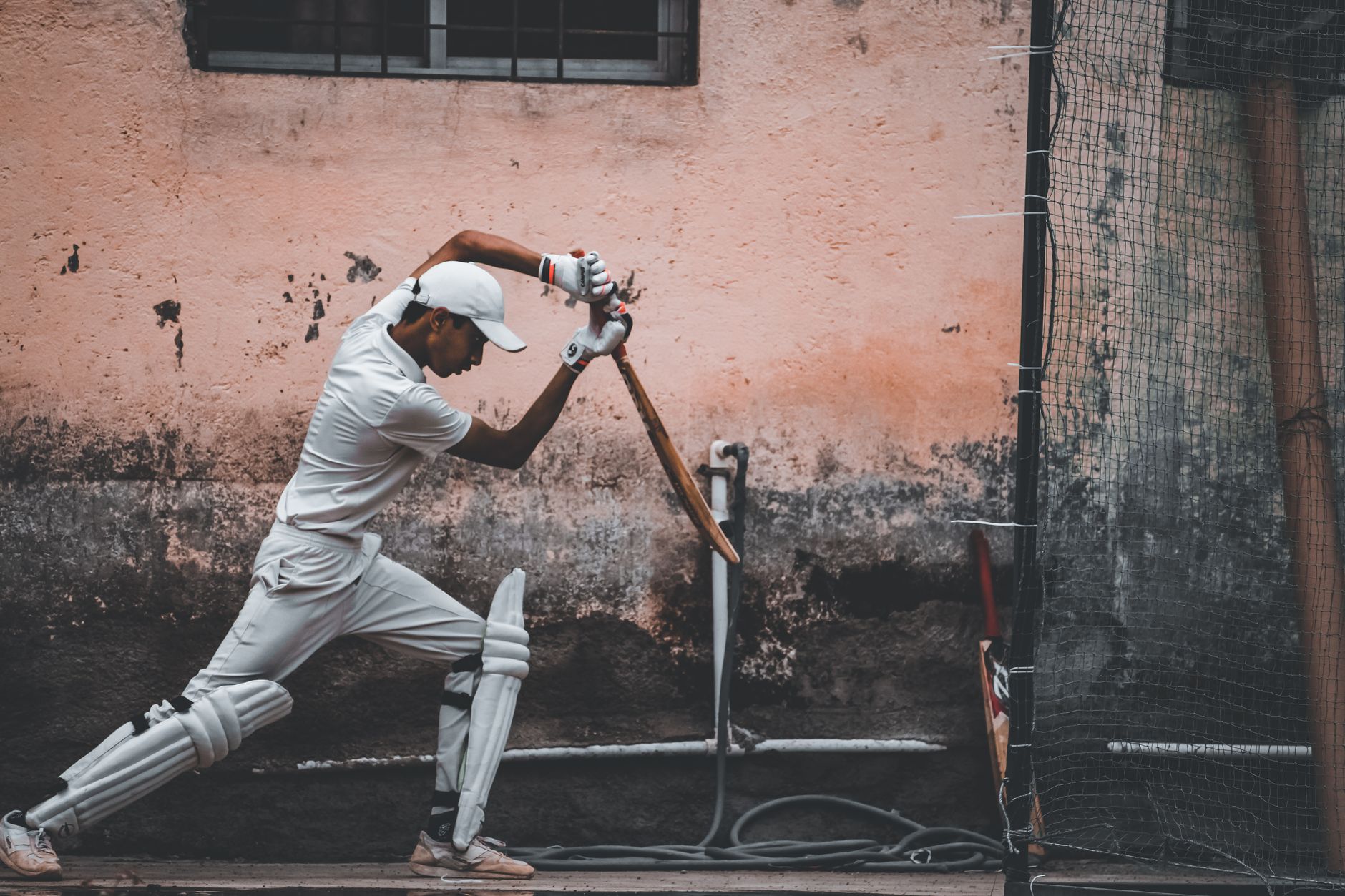
The Board of Control for Cricket in India (BCCI) has officially announced the squad that will represent the nation at the upcoming Under-19 Asia Cup. The selection process has drawn considerable attention, as the tournament serves as a premier platform for emerging talent to showcase their skills on an international stage. Leading the side for the duration of the tournament will be Ayush Raichandani, a choice that reflects the board's emphasis on grooming leadership qualities alongside technical proficiency in the youth ranks.
The competition structure for this year's tournament has placed India in Group A. They are joined in this challenging pool by Nepal, the United Arab Emirates (UAE), and their traditional rivals, Pakistan. This grouping is particularly anticipated by cricket fans, given the high-intensity nature of matches involving the Indian and Pakistani junior setups. Meanwhile, Group B comprises Afghanistan, Bangladesh, Malaysia, and Sri Lanka. The round-robin stage will be critical for determining which teams progress to the knockout phase, with every point carrying significant weight in such a compact format.
The selection committee has sought to build a squad that offers a blend of batting stability and bowling versatility. By drafting players who have performed consistently in domestic youth circuits, the team management aims to ensure a robust performance against a variety of playing conditions. The inclusion of young talents who have demonstrated aptitude in both red-ball and white-ball formats suggests that India is looking to assert its dominance in the age-group category, a domain where the country has historically maintained a strong developmental pathway.
For the players involved, the Under-19 Asia Cup represents more than just a regional trophy; it is a vital rung in the ladder toward professional domestic cricket and, eventually, the international stage. Many former stars of the Indian national team, including those who have gone on to anchor the senior side, once utilized this very platform to catch the attention of national selectors. The pressure of representing the country at this level is often described as a formative experience, pushing young athletes to adapt to the rigors of high-stakes sports.
The coaching staff, tasked with preparing the team under Raichandani’s leadership, is expected to focus on tactical flexibility. Given the diversity of the teams in their group, the squad will likely undergo intensive training sessions focusing on adapting to different bowling styles and fielding scenarios. Preparing for the specific challenge of facing spin-heavy attacks from South Asian counterparts and the fast-bowling threats from other nations will be central to the team’s strategy in the coming weeks.
As the tournament dates approach, the focus for the BCCI remains on the physical and mental conditioning of the players. With a demanding schedule ahead, managing player workloads and maintaining morale within the camp will be paramount. The support staff has been directed to prioritize injury prevention and recovery, ensuring that the best possible XI is available for every match of the group stage.
The broader cricket community in India eagerly awaits the start of the tournament, viewing it as a window into the future of the sport in the country. With the talent pool currently available, there is significant expectation surrounding the team's prospects. Whether this group can replicate the successes of their predecessors and bring home the trophy remains to be seen, but the preparation phase marks a committed start toward that goal.








Comments