


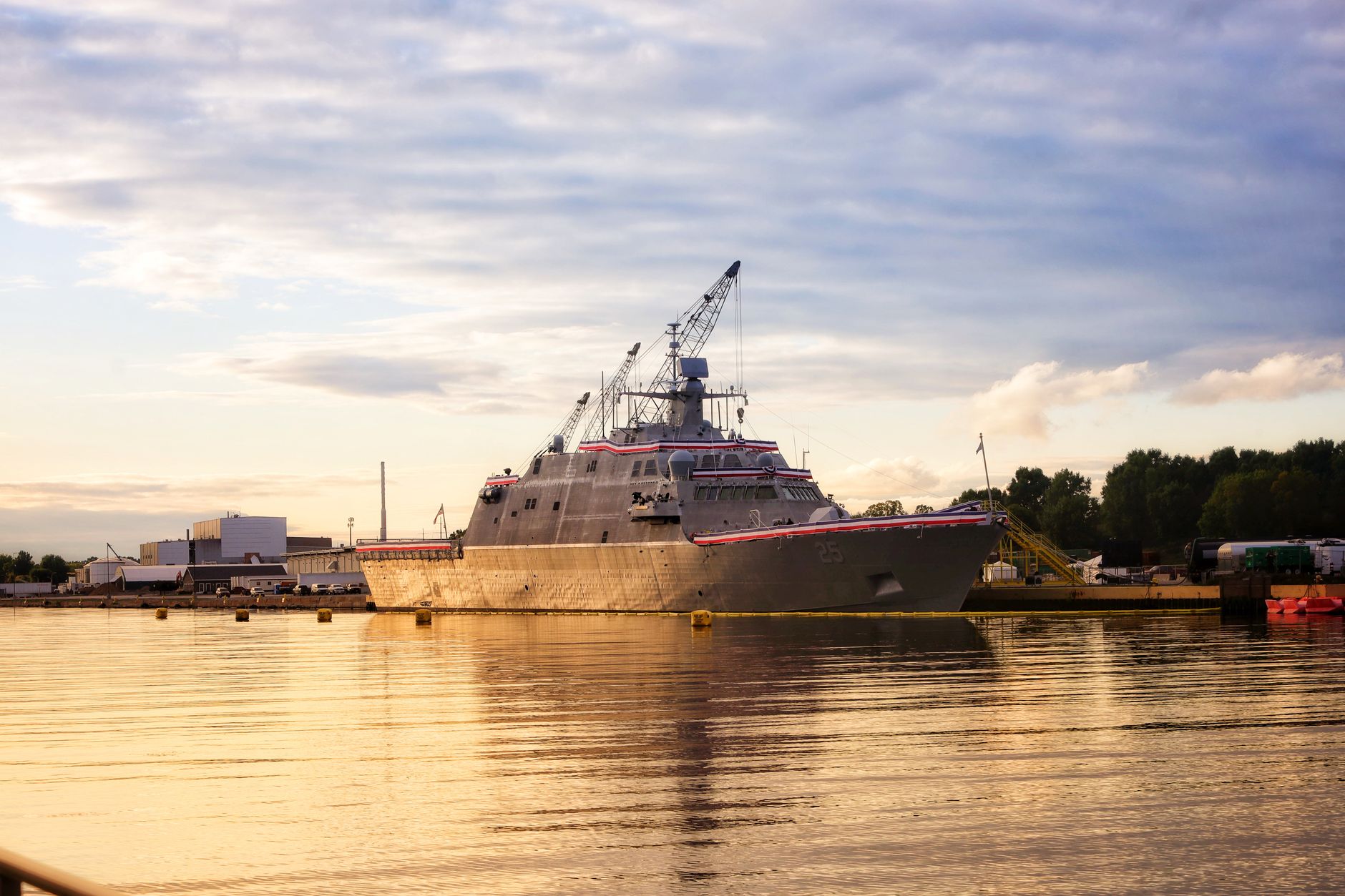
The Cabinet Committee on Security (CCS), chaired by Prime Minister Narendra Modi, has formally approved a significant defence project valued at over Rs 40,000 crore. The initiative involves the construction of eight Next-Generation Corvettes, which are set to become a vital component of the Indian Navy’s surface combatant fleet. According to government officials, contracts for these advanced warships are expected to be signed within the coming days with two state-owned public sector enterprises: Garden Reach Shipbuilders & Engineers (GRSE) in Kolkata and Goa Shipyard Limited (GSL) in Goa.
These upcoming vessels are designed to be high-speed surface combatants, with each corvette boasting a displacement of approximately 2,000 tonnes. The design incorporates indigenous stealth technology developed by the Indian Navy, reflecting a commitment to local innovation. The vessels are projected to reach a maximum speed of nearly 30 knots, providing the Navy with the agility and responsiveness needed for modern maritime security missions.
This large-scale procurement is part of a broader strategy to enhance the Indian Navy’s combat readiness across the Indian Ocean Region (IOR). By bolstering its presence in this strategically critical maritime area, the government aims to ensure regional stability and secure vital sea lanes. The project is seen as a significant step in the modernisation of the naval fleet, offering a multi-role platform that is adaptable to a wide range of maritime security requirements.
In terms of timelines, the first of the eight corvettes is targeted for delivery by 2030, though officials have indicated that efforts are underway to potentially accelerate this construction schedule. The manufacturing process will be entirely domestic, directly supporting the Indian government’s 'Atmanirbhar Bharat' or self-reliant initiative. By awarding these contracts to indigenous shipyards, the project aims to reduce dependence on foreign defence suppliers and nurture a robust local manufacturing ecosystem.
The initiative also aligns with the broader 'Security and Growth for All in the Region' (SAGAR) vision, which emphasises the importance of collaborative security and economic progress. By strengthening the fleet's operational capabilities, the Navy intends to better support its long-term objectives in the Indian Ocean Region. This procurement is considered a critical development in India's efforts to project power and maintain maritime order.
Industry experts suggest that the involvement of both GRSE and Goa Shipyard Limited will help distribute the manufacturing load, ensuring efficiency and timely completion of the vessels. The collaboration between these state-owned entities is expected to leverage their combined expertise in naval shipbuilding. As the contracts are formalised, the focus will shift to the technological integration and hardware configuration of these new-age combatants.
This investment is expected to provide a significant boost to domestic defence production capabilities. The construction of eight such complex vessels represents a massive undertaking that involves not only the shipyards but also a network of secondary domestic suppliers. By prioritising indigenous designs, the government hopes to foster a self-sustaining cycle of innovation and technological maturity within India's defence industrial base.
As the project progresses, it will remain under the oversight of the Ministry of Defence, which has emphasised that these corvettes are versatile platforms intended to serve for decades. With the official cabinet approval now in place, the naval forces look forward to the induction of these ships to secure maritime interests and meet the evolving challenges of the Indian Ocean theatre.








Comments