


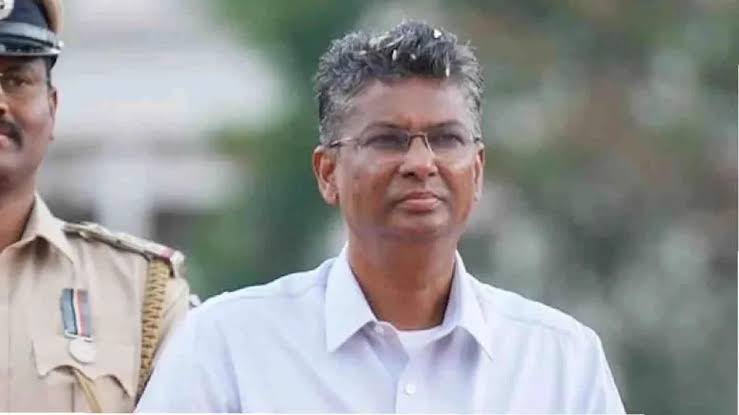
Karnataka Minister Satish Jarkiholi has officially clarified his earlier remarks concerning the Special Intensive Revision (SIR) of electoral rolls, a move that comes in the wake of mounting pressure and criticism from opposition political parties. The controversy surrounding the electoral revision process had intensified in recent days, prompting the minister to address the situation publicly to mitigate the political fallout.
During his clarification, Satish Jarkiholi asserted that his initial statements regarding the electoral exercise had been misinterpreted by his critics. He maintained that his intentions were not as they had been portrayed in the public domain. Instead, he sought to shift the focus of the discourse by highlighting the role of his party leadership in overseeing the integrity of the voting lists, which are fundamental to the democratic process in the state.
A significant portion of the minister's statement was dedicated to crediting senior Congress leader Rahul Gandhi for the current status of the voter lists. According to Jarkiholi, the intervention and guidance provided by Rahul Gandhi were instrumental in preventing the large-scale deletion of voters' names from the electoral rolls. By attributing this protection of voter rights to the national party leader, Jarkiholi aimed to solidify the Congress party’s commitment to fair electoral practices.
The Special Intensive Revision of electoral rolls is a routine administrative procedure conducted to update and verify the accuracy of voter registration data. However, such exercises often become flashpoints for political debate, as parties frequently scrutinize the methodologies used by election authorities to ensure that their respective voter bases remain intact. In this instance, the opposition had used Jarkiholi’s previous comments as grounds to raise questions about the transparency and potential biases inherent in the revision process.
This latest development highlights the sensitive nature of electoral roll management in Karnataka, where every revision is watched closely by competing political factions. As the state navigates these bureaucratic processes, the comments made by prominent ministers carry significant weight in shaping public perception regarding the fairness of upcoming electoral cycles. Jarkiholi’s walk-back reflects the party's strategy to contain the controversy before it could further affect the political landscape.
Political observers note that the timing of this clarification is strategic, intended to neutralize the narrative being constructed by opposition forces. By clarifying his stance and aligning himself with Rahul Gandhi’s platform, the minister is attempting to reset the conversation and move past the allegations of mishandling the electoral roll revision. For the ruling party, maintaining credibility in the administration of voter records is vital for sustaining public trust.
The situation remains a point of interest for both local and national observers who track developments in Karnataka’s political sphere. As the controversy settles, the emphasis is expected to return to the technical aspects of the electoral roll revision, although the political implications of this exchange of rhetoric will likely continue to be referenced in future discussions regarding state policy and voter rights. The minister’s updated comments serve as the current final word on the matter from the state government’s perspective.







Comments