


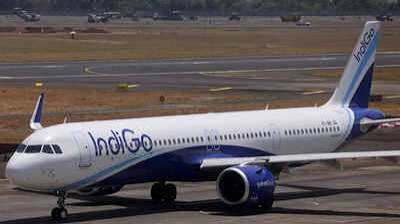
India’s largest airline, IndiGo, reported a net loss of ₹1,879 crore for the September quarter, as the company grappled with a significant spike in jet fuel costs and ongoing geopolitical volatility. While the airline achieved a 26% year-on-year rise in revenue, reaching ₹23,363.8 crore, this growth was effectively neutralized by a surge in operational expenses. Specifically, fuel costs rose by more than 67% compared to the previous year, placing immense pressure on the airline's bottom line during what is traditionally a seasonally soft period.
Willie Walsh, the newly-appointed chief executive of IndiGo, addressed the financial results during a post-earnings analyst call. He noted that the company faced exceptionally high fuel costs alongside broader geopolitical uncertainty in West Asia. According to Walsh, the airline utilized prudent capacity reduction and yield management strategies to support revenue performance, though these measures were insufficient to fully offset the impact of the increased fuel expenditure.
The financial challenges were further compounded by higher foreign exchange rates, according to Kiran Thadimari, the airline's chief financial officer. While the carrier successfully managed to increase unit revenue through higher ticket pricing, the gains failed to keep pace with the rising costs of fuel, which hit ₹137 per litre for domestic flights in October—a 46% increase compared to the same period last year. Consequently, the net loss for the fiscal second quarter represents a 27% narrowing from the previous year, reflecting a mixed financial performance.
Looking toward the upcoming December quarter, which is typically a peak period for travel due to major festivals like Diwali and Christmas, IndiGo has guided for low single-digit capacity growth. Walsh indicated that while passenger revenue is expected to grow by more than 25% due to strong ticket prices, occupancy levels are likely to remain flat. In response to the elevated fuel bills, the airline is actively considering further fare increases to safeguard its financial position.
Operational adjustments are already underway to mitigate these headwinds. The airline is evaluating its network on a flight-by-flight basis to identify opportunities for rationalizing flights. Data provided by aviation analytics firm Cirium confirms that IndiGo intends to operate 1.6% fewer seats this quarter compared to the same period last year. These tactical reductions are intended to limit the impact of high fuel prices while maintaining service levels on key routes.
Despite the immediate financial challenges, the airline remains optimistic about its long-term prospects. Walsh emphasized that IndiGo has no intention of slowing down its aircraft delivery schedule, citing a bullish outlook on long-term demand. The carrier remains committed to its expansion strategy, including the planned introduction of the Airbus A350 into service by 2028. The leadership team maintains that the Indian aviation market offers a compelling long-term opportunity, which the airline aims to capture through disciplined growth.
Ultimately, IndiGo is prioritizing safe and reliable operations while maintaining a focus on rigorous cost discipline. The company aims to increase its share of India’s international aviation market by leveraging the scale of traffic flowing through major global hubs. As the airline navigates the current inflationary environment, management has signaled that its strategic focus remains fixed on creating sustainable value, regardless of short-term volatility in fuel and energy markets.








Comments