


In a span of just three days, two of the world's most prominent political figures, Luiz Inácio Lula da Silva and Benjamin Netanyahu, defied expectations to maintain their grip on power. While representing opposite ends of the ideological spectrum, both leaders showcased the political dexterity required to survive in an era of intense polarization and electoral volatility. Luiz Inácio Lula da Silva, the 80-year-old leader of Brazil's major left-wing party, and Benjamin Netanyahu, the 77-year-old leader of Israel’s most right-wing government, have both demonstrated that premature declarations of political decline can often be misleading.
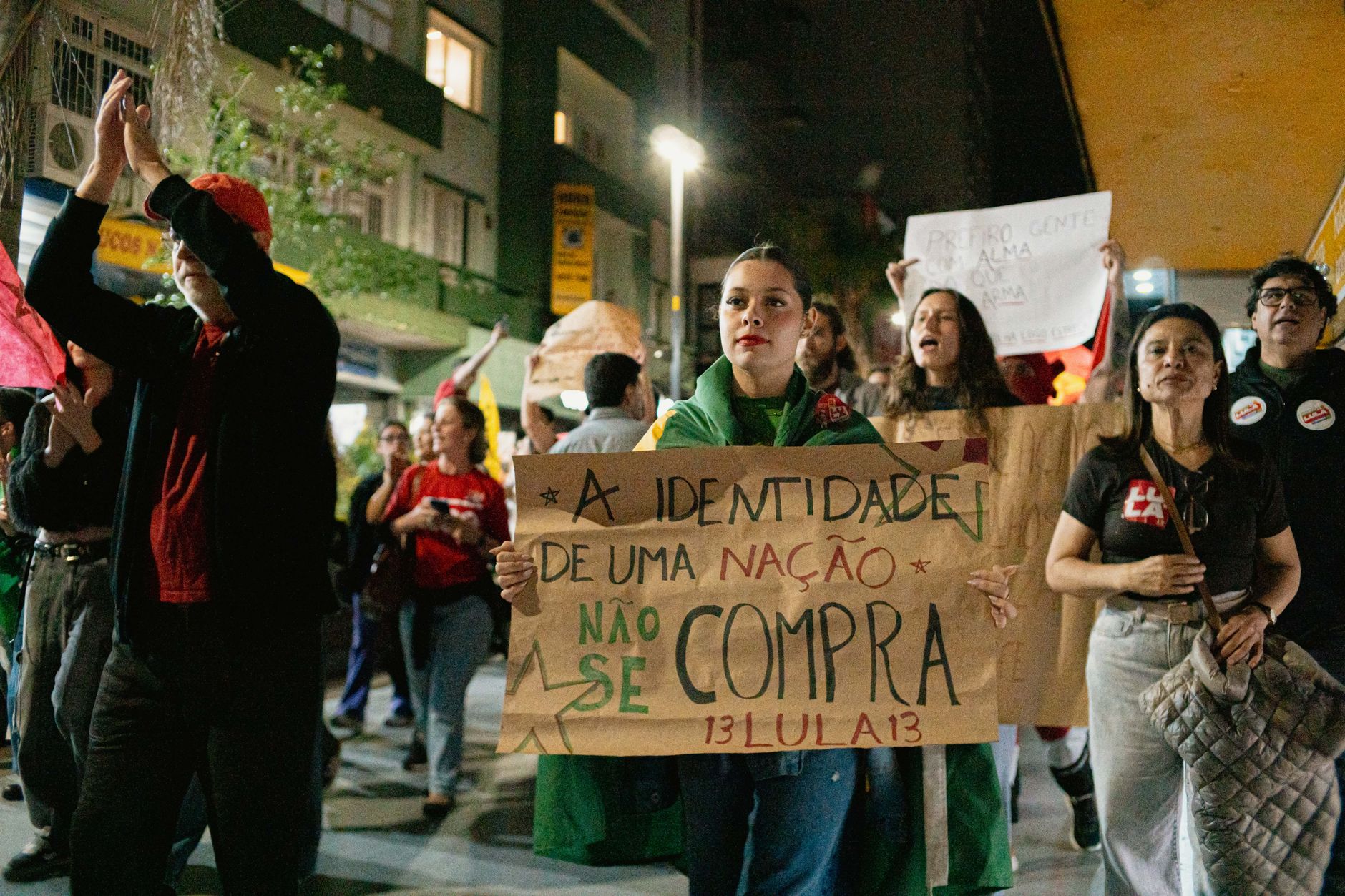
Lula’s electoral victory in Brazil concluded on October 25, when he secured a fourth term, overcoming a surge from his right-wing opponents. The campaign had initially appeared to favor Flavio Bolsonaro, the senator and son of the jailed former president, who had led in polls following the first round of voting on October 4. Despite the momentum of the right-wing wave that had seen successes for conservative candidates elsewhere in Latin America, Lula successfully pivoted his strategy by focusing his critique directly on the Bolsonaro family's alleged ties to militias. The final count gave Lula 51.79% of the vote against 48.21% for his rival, effectively halting the advancement of the Trump-backed "Donroe Doctrine" in the hemisphere.
Conversely, the election narrative in Israel took a different, yet equally surprising turn. On October 27, initial exit polls suggested a victory for the opposition bloc led by Gadi Eisenkot. However, as the final ballots were tallied, it became clear that the outcome was significantly closer. With approximately 90% of the vote counted, Netanyahu's Likud party emerged as the largest single party with 26 seats. While his broader right-wing and religious coalition holds 53 seats compared to the opposition's 48, the result falls short of the 61-seat parliamentary majority required for an easy mandate.
The mechanics of political survival for these two figures share notable parallels. Both men have successfully rehabilitated their careers after significant setbacks; Lula returned to the political arena after spending 580 days in prison, while Netanyahu has previously recovered from electoral defeats in 1999 and 2021, as well as a corruption trial that has persisted since 2020. Furthermore, both leaders utilized the influence of United States President Donald Trump as a political tool, albeit in different ways. While Lula framed his campaign around sovereignty in opposition to American influence and trade pressures, Netanyahu actively campaigned on the endorsement of the American president.
As the situation stands, the path forward for both remains distinct. In Brazil, Lula is already moving ahead with his policy agenda following a clear, if hard-fought, mandate. In Israel, however, the political maneuvering is far from over. With 450,000 absentee ballots still to be processed and official results expected on November 4, the country faces a period of potential instability. Coalition negotiations could extend for months, leaving Netanyahu in a caretaker capacity with significant executive authority during a time of escalating tensions with Iran.
President Isaac Herzog has publicly appealed for national consensus to avoid the prospect of yet another election, which would mark a continuation of recent political deadlocks. Despite the opposition holding potential mathematical advantages, deep ideological divides—particularly regarding the inclusion of Arab parties in a coalition—continue to hinder the formation of a unified anti-Netanyahu government. For now, the resilience shown by both Lula and Netanyahu highlights a defining trait in modern governance: the ability to leverage existing power structures and voter bases to remain at the center of national life against all odds.








Comments