


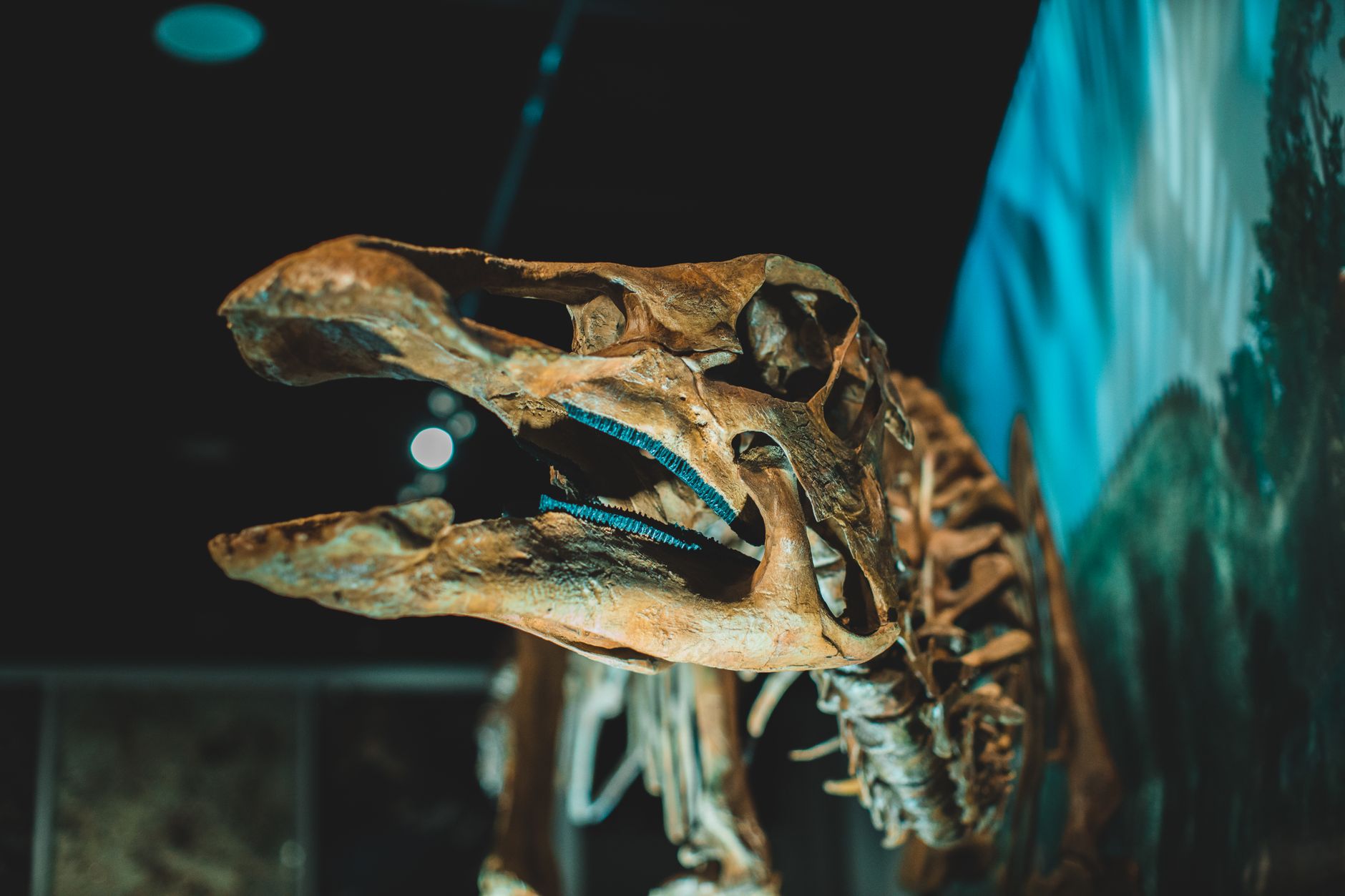
A recently identified bird-like dinosaur from the Cretaceous period is providing researchers with fresh insights into the dietary diversity of prehistoric animals. Named Infernogallus jamesi, the dinosaur—which earned the nickname "hell chicken"—appears to have possessed unique physical adaptations that suggest it was a specialist at consuming fruit, a departure from the typical meat or plant-heavy diets often associated with its relatives.
The study, which was published in the journal Nature Communications, utilized advanced CT scanning to investigate the well-preserved remains of the creature. Specifically, researchers focused on reconstructing the arrangement of the dinosaur’s jaw muscles and the structure of its skull. By examining these mechanical systems, scientists were able to determine how the animal would have processed its food, leading them to conclude that its anatomy was uniquely suited for a diet of fleshy fruits.
Infernogallus jamesi was a relatively small, two-legged, feathered dinosaur, weighing approximately 12 kilograms. In terms of physical scale, it was comparable to a modern turkey. The fossils were recovered from the Hell Creek Formation, a site spanning parts of Montana, North Dakota, South Dakota, and Wyoming in the United States. As a member of the caenagnathid group—a subset of the oviraptorosaur lineage—this species was characterized by having a beak rather than teeth, a feature that has long prompted paleontologists to investigate its specific eating habits.
The research revealed that the palate, or the roof of the mouth, curved downward into the oral cavity. This structural nuance forced an orientation of the jaw muscles that allowed for a specialized back-and-forth movement. This mechanical capability would have been highly efficient for processing soft food. Interestingly, the study noted that this anatomical arrangement bears a striking parallel to the jaw mechanics found in certain modern-day fruit-eating birds, such as the vulturine parrot.
This discovery provides a window into the evolving environment of the Cretaceous period, which lasted from roughly 145 million to 66 million years ago. During this epoch, flowering plants, or angiosperms, were significantly increasing in diversity and abundance. Researchers believe that the rise of these plants provided a new nutritional niche, suggesting that the development of specialized fruit-eating adaptations in dinosaurs may have occurred in tandem with the availability of fleshy, seed-bearing fruits.
While the findings strongly suggest that fruit was a core component of the diet for Infernogallus jamesi, the authors clarify that the evidence does not necessarily mean the animal was an exclusive fruit-eater. It is possible that other soft plant materials were also consumed. Nevertheless, the study positions this dinosaur as one of the most compelling candidates for a fruit-specialized feeder identified in the fossil record to date.
The discovery of Infernogallus jamesi serves as a reminder that even as researchers continue to study the extinction event that occurred 66 million years ago, our understanding of the lives of dinosaurs remains dynamic. By examining the anatomy of these avian ancestors, scientists continue to uncover the varied and complex lifestyles that thrived long before the modern era, challenging established assumptions about how these prehistoric giants interacted with their changing ecosystems.








Comments