


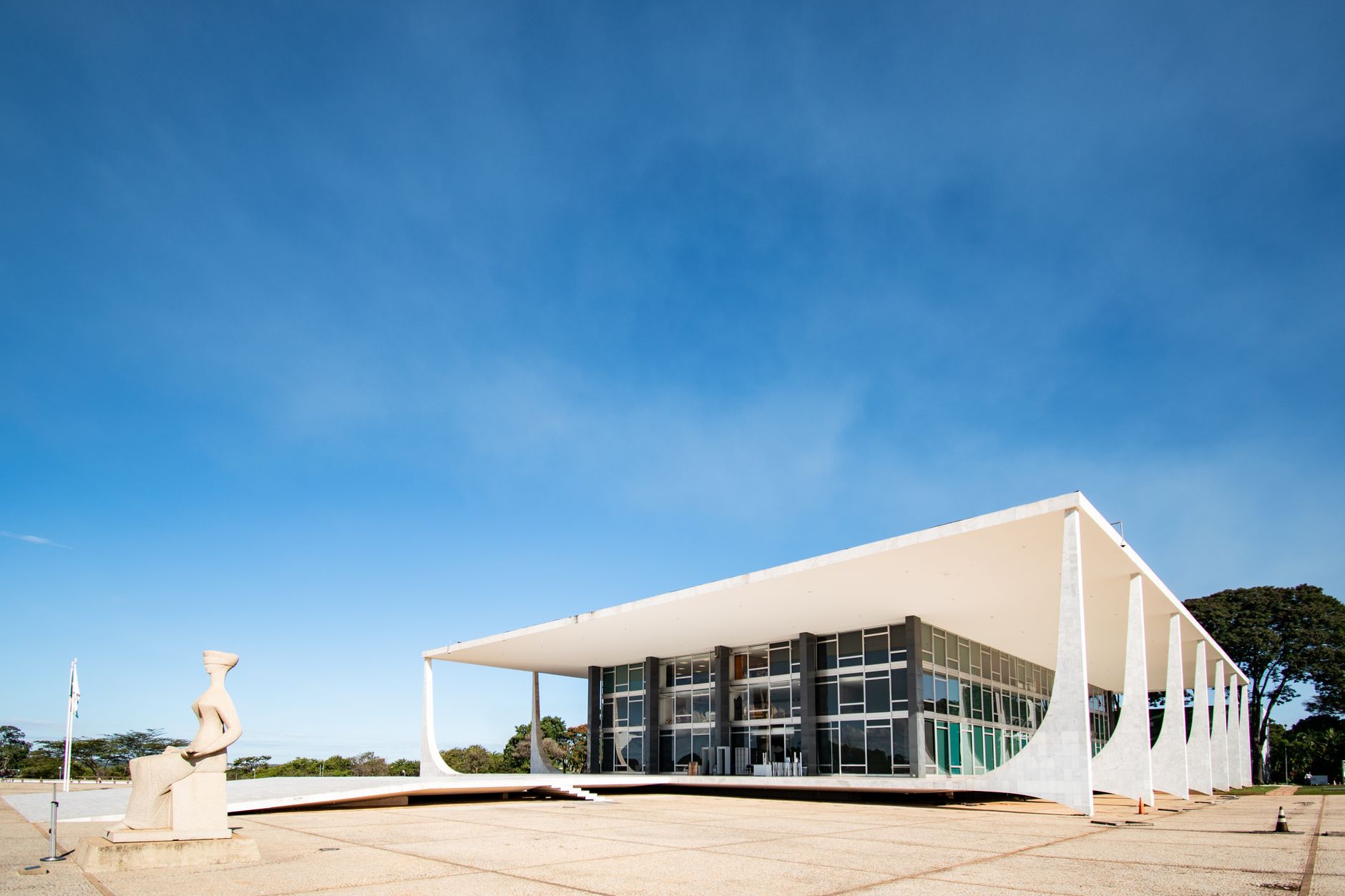
The Supreme Court of India issued a stern warning on Thursday regarding the implementation of firecracker regulations within the Delhi-NCR region. A bench comprising Justices MM Sundresh and Prasanna B Varale underscored the critical need for authorities to move beyond mere directives and ensure that current restrictions are effectively enforced on the ground. The court cautioned that if officials continue to overlook these judicial mandates, it may be forced to adopt a much harsher stance to address the escalating air pollution crisis.
During the hearing, the bench remarked that the persistent issue of deteriorating air quality affects every living being in the region. The judges stated that they are currently not inclined to impose a complete ban on firecrackers, but they explicitly warned authorities against testing the court's patience. The bench noted that issuing repeated directions holds little value unless those responsible for enforcement demonstrate tangible results, characterizing a lack of execution as a mockery of the legal process.
Representing the government, Additional Solicitor General Aishwarya Bhati briefed the court on the ongoing efforts to manage the pollution season. She outlined a comprehensive strategy developed by the Delhi government and the Commission for Air Quality Management (CAQM). This multi-pronged plan, which is slated to take effect in November, includes specific restrictions on the use of older vehicles, a temporary halt on construction and demolition activities, and the implementation of staggered office timings to reduce traffic congestion and emissions.
The Supreme Court emphasized that the challenge of controlling pollution is not an adversarial matter, but rather a collective responsibility. The bench urged all stakeholders to cooperate, stressing that the effectiveness of these measures depends heavily on the presence of concerned officers on the ground to monitor compliance during the festive season. Furthermore, the court suggested that engaging influential public figures, including prominent sportspersons, could prove beneficial in raising awareness among the citizenry about the environmental and health hazards associated with firecracker use.
The legal proceedings also touched upon the technical aspects of firecracker composition. The Centre informed the court that internal consultations regarding the use of barium—a substance often linked to harmful emissions in firecrackers—are currently ongoing. The government requested a three-week window to finalize this internal review process, a request to which the court consented, noting that it would revisit the issue after the designated time period has lapsed.
This hearing follows two separate petitions before the Supreme Court, one of which includes a suo motu case concerning the broader air pollution crisis in the National Capital Region. These matters encompass diverse environmental challenges, including the regulation of firecrackers, the recurring issue of stubble burning in neighboring states, and the management of solid waste. By addressing these factors in tandem, the court aims to mitigate the seasonal spikes in pollution that severely impact public health in the capital.
As Delhi-NCR prepares for upcoming celebrations, the court’s message serves as a reminder of the environmental costs often associated with the festival season. The emphasis remains on a balanced approach, where tradition and public safety are reconciled through rigorous administrative oversight. Whether these updated strategies and the call for active enforcement will result in improved air quality remains a point of significant public and judicial interest in the weeks ahead.








Comments