


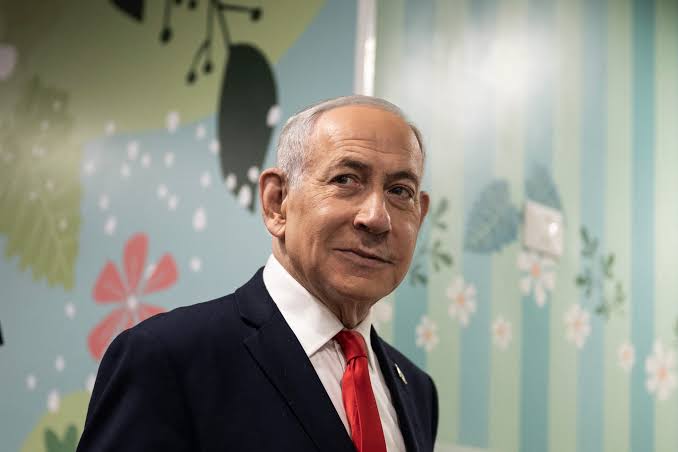
Israel's latest national elections have concluded without a clear winner, leaving the parliament in a state of deadlock as no political faction secured the necessary majority to form a new government. With the tallying of more than 99 percent of the ballots from Tuesday's polls, both the incumbent Prime Minister Benjamin Netanyahu and opposition leader Gadi Eisenkot have fallen short of the 61-seat requirement in the 120-member Knesset.
According to reports from Israeli media outlet Haaretz, the bloc led by Benjamin Netanyahu holds 53 seats. Meanwhile, the opposition bloc headed by Gadi Eisenkot has secured 48 seats. The remaining 19 seats are held by Arab list parties, which are now being viewed as potential power brokers in the ongoing negotiations. Official certification of these results is expected by Wednesday, and until that time, the figures remain subject to final verification by the Central Elections Committee.
The election, which marked the first such event since the October 7, 2023, attacks and the subsequent war in Gaza, has been widely characterized by observers as a referendum on the current premiership. In the wake of the provisional results, opposition figures have begun internal discussions to explore paths toward forming a coalition. Gadi Eisenkot, who leads the Yashar party, held meetings with former Prime Minister Naftali Bennett of the Together party to discuss strategies for establishing a government quickly.
Despite these efforts, the path toward a coalition remains complicated. Eisenkot has publicly pledged not to form partnerships with Palestinian-led political groups, yet analysts suggest that his opposition bloc faces an uphill battle to govern without their support. Yair Golan, chairman of the Democrats party and a member of the opposition, met with Mansour Abbas of the United Arab list—or Ra’am—to discuss potential cooperation. Golan stated on social media that the current political climate demands action to avoid missing an opportunity for change.
Political tensions have also risen following allegations regarding the integrity of the voting process. The Likud party, led by Netanyahu, has made unsubstantiated claims suggesting that Arab-led parties may have interfered with the election results, possibly with foreign assistance. These allegations have been rejected by opponents, including Eisenkot, who accused the Prime Minister of attempting to delegitimize the outcome for personal political gain. Supreme Court Justice Noam Sohlberg, head of the Central Elections Committee, confirmed that he had forwarded reports of “serious suspicions” regarding potential foreign interference to the Shin Bet security agency for investigation, though he noted he could not personally verify the claims.
Looking ahead, the political landscape remains fluid. Analysts note that while a formal coalition between the opposition and Arab-led groups appears difficult to achieve, there may be alternative strategic moves. One possibility involves the replacement of the current Speaker of the Knesset, a figure known to be a close ally of Netanyahu. If the opposition successfully replaces the speaker, they could gain a significant legislative advantage, potentially hindering Netanyahu’s agenda even if a full government transition remains stalled.
The coming days are expected to be marked by intense negotiations between various political factions as they maneuver to secure a path toward power. As the nation awaits the formal certification of results on Wednesday, the future of the Israeli government remains at a standstill, with neither side appearing able to command the support required to resolve the parliamentary impasse.








Comments