


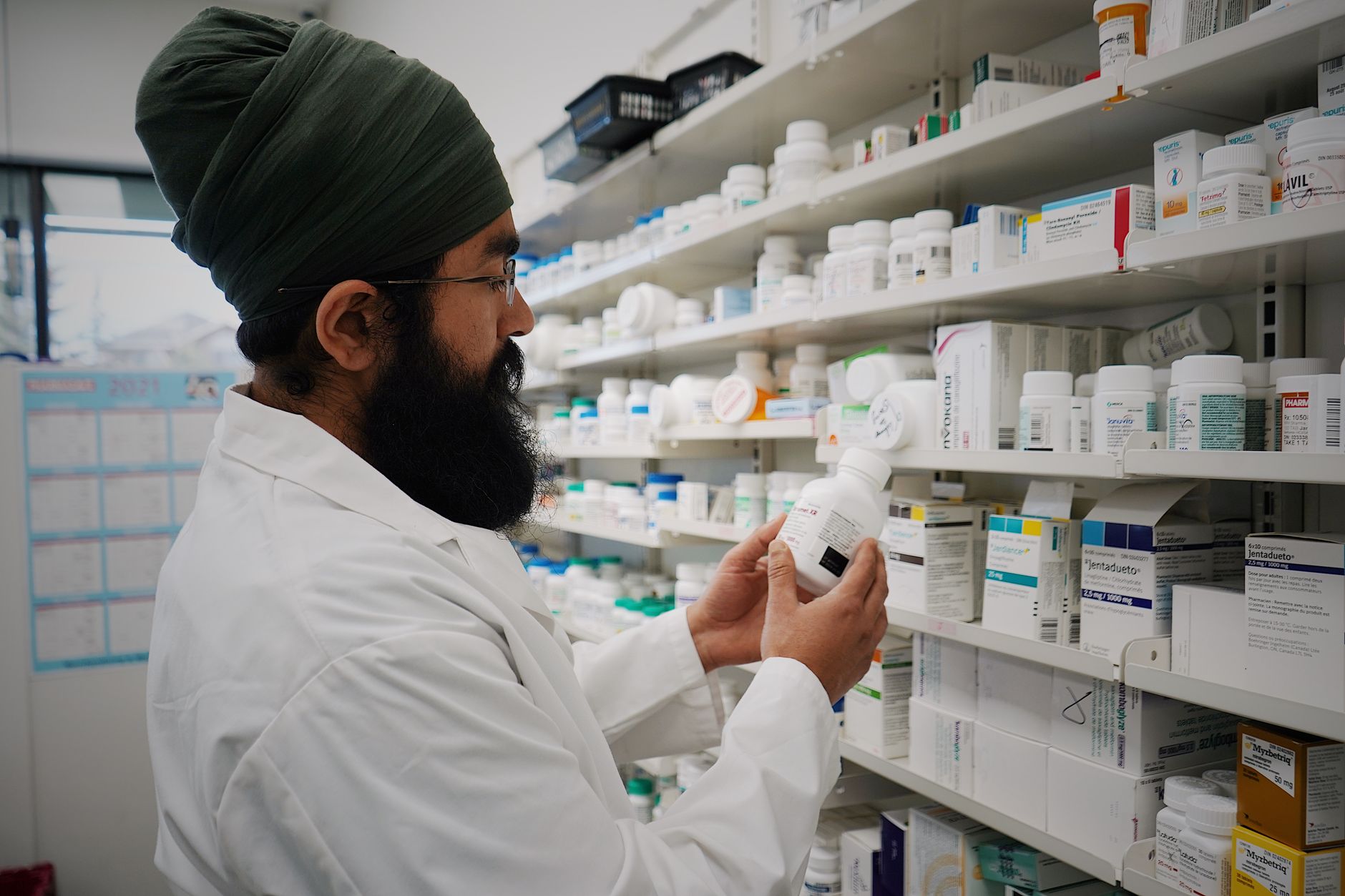
New trade margin caps on cancer medicines, set to become effective from 9 November, have drawn sharp criticism from healthcare industry observers and public health advocates. While the National Pharmaceutical Pricing Authority (NPPA) initiated this move to curb rising treatment costs, experts argue that the policy is structurally flawed, potentially legitimizing excessive profiteering while leaving expensive, life-saving patented therapies entirely untouched.
The criticism stems from the observation that the new framework, which targets 137 non-scheduled anti-cancer drugs, fails to include medicines distributed through patient assistance programs. Consequently, high-cost imported innovator brands and patented therapies have seen no reduction in their retail prices. Medications such as AstraZeneca’s Osimertinib and Selumetinib, Roche’s Avastin and Phesgo, and Janssen’s Daratumumab are among those unaffected by the current directive, leaving a significant portion of the high-cost cancer treatment market outside the purview of these controls.
Public health network Jan Swasthya Abhiyan India has pointed out that the current formula effectively allows for a 42.8% markup over stockist prices in hospital-based supply chains. They noted that this is substantially higher than the 16% retail margin typically seen under the Drug Price Control Order. While some dramatic price drops were observed in generic brands—with costs for certain formulations of Palbociclib and Thiotepa falling significantly—advocates argue that focusing solely on trade margins is insufficient without broader, cost-based price controls.
The debate follows ongoing concerns regarding the wide gap between wholesale procurement rates and the prices billed to patients at private hospitals. The Supreme Court has previously scrutinized this discrepancy, noting instances where hospital billing significantly inflated the cost of injections compared to their procurement price. The court had questioned why such margin caps were not applied more broadly across all essential drugs rather than remaining confined to a selective list of oncology treatments.
Expert opinion on the move remains mixed, with some noting that while the reduction in inflated margins for generic drugs is a positive step, the risk of supply-chain loopholes remains high. Dr. Sandeep Nayak, chairman of oncology at KIMS Hospital in Bengaluru, suggested that while the move is reasonable, its success hinges entirely on effective implementation. He emphasized that the long-term viability of low-cost, life-saving drugs must be balanced against the need for price controls to ensure patients do not lose access to vital medications.
The scale of the issue is significant, as India’s anti-cancer market comprises approximately 225 drugs and 500 formulations, with an annual turnover estimated at ₹12,500 crore. Of this, only about ₹2,250 crore is covered by the National List of Essential Medicines, which is subject to strict statutory ceiling prices. The remaining market of over ₹10,250 crore is currently classified as non-scheduled, leaving these treatments vulnerable to the market dynamics that drive up out-of-pocket expenditure for families.
Looking ahead, industry experts have called for more robust measures, including mandatory supply-chain data audits and the expansion of public cancer care infrastructure. Jyotsna Govil, chairperson of the Indian Cancer Society, stressed that periodic compliance reviews and transparent reporting are vital for the policy to translate into tangible relief for patients. Health professionals insist that access to new therapies should be determined by medical necessity rather than a patient’s commercial ability to pay, urging the government to adopt more comprehensive, cost-based regulations across the entire oncology spectrum.








Comments