


A former aide to Bangladesh's interim government head, Muhammad Yunus, has alleged that preparations to transition power were underway several days before Prime Minister Sheikh Hasina resigned and fled the country on August 5, 2024. Shafiqul Alam, who served as Yunus’s press secretary, claimed in a social media post on October 28 that a journalist working for the Agence France-Presse (AFP) acted as a clandestine intermediary between student protest leaders and the Nobel laureate.
According to Alam, the individual identified as Qadaruddin Shishir—who was a member of the AFP’s fact-checking team in Dhaka at the time—was instrumental in organizing initial discussions. Alam stated that these meetings were held in strict secrecy to avoid detection by the security apparatus of the then-incumbent government. He noted that Shishir allegedly managed these operations from the same bureau where they both worked, ensuring that only a small group of trusted individuals remained aware of the communication.
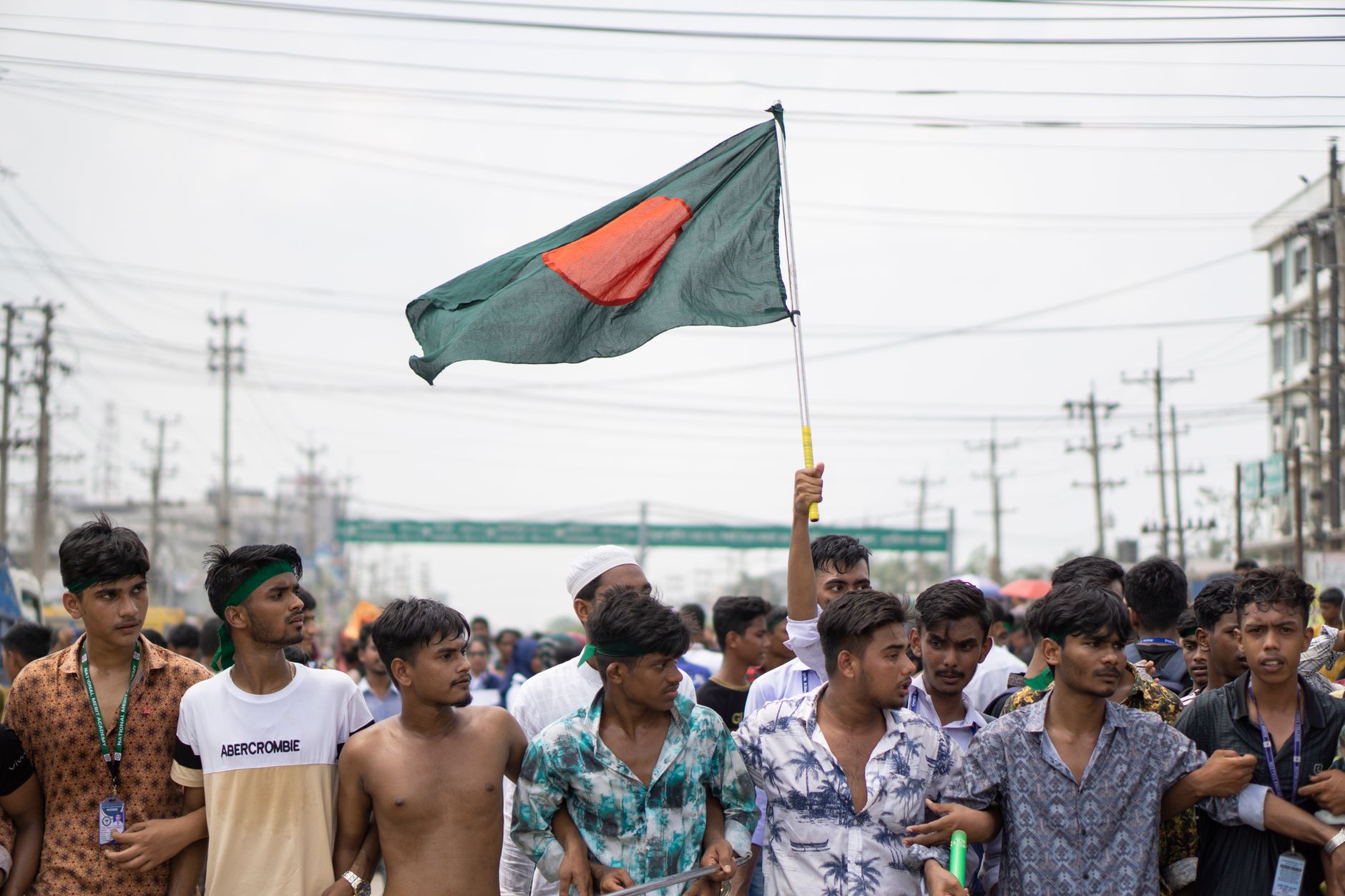
The account provided by Alam suggests that the student-led movement, which initially began in July 2024 as a protest against government job quotas, had begun formulating a contingency plan for a post-Hasina political landscape well before the former leader’s departure. Alam wrote that the students required a "trusted bridge-builder" to connect with Yunus, who was then in Paris, to propose his leadership for an interim administration. He asserted that Shishir approached the Nobel Peace Prize winner on their behalf two days prior to the government's collapse.
The narrative emphasizes the high-stakes nature of these interactions. Alam claimed that the secrecy was paramount, as the participants feared retaliation from the state security forces, who were allegedly involved in mass killings and abductions at the time. He specifically mentioned that if the discussions had been uncovered, those involved, including the AFP team members, risked being sent to a facility known as the "Aynaghar," a location associated with reports of enforced disappearances and state-sanctioned detention.
Beyond facilitating communication, Alam alleged that Shishir was involved in documenting the violence during the government's crackdown on protesters, quietly gathering video evidence of fatalities. Following the departure of Sheikh Hasina on August 5, student leaders publicly proposed Yunus as the head of an interim government. He subsequently arrived in Dhaka from France and was sworn in as the chief adviser on August 8, 2024.
The claims made by Alam have brought new attention to the level of organization behind the leadership change. While the information provides insight into the private efforts made by student representatives to secure a transition, analysts note that these details regarding succession planning do not independently confirm that the broader protest movement was managed by a single central entity. The extent of coordination remains a subject of ongoing historical discussion.
In the aftermath of the transition, the political climate in Bangladesh has remained contentious. The former prime minister, Sheikh Hasina, has since publicly accused the Yunus administration of carrying out political persecution and failing to hold perpetrators of violence accountable for their actions during the unrest. The interim government led by Yunus remained in power until February 2026, at which point it transferred authority following the election of Tarique Rahman as the new prime minister.








Comments