


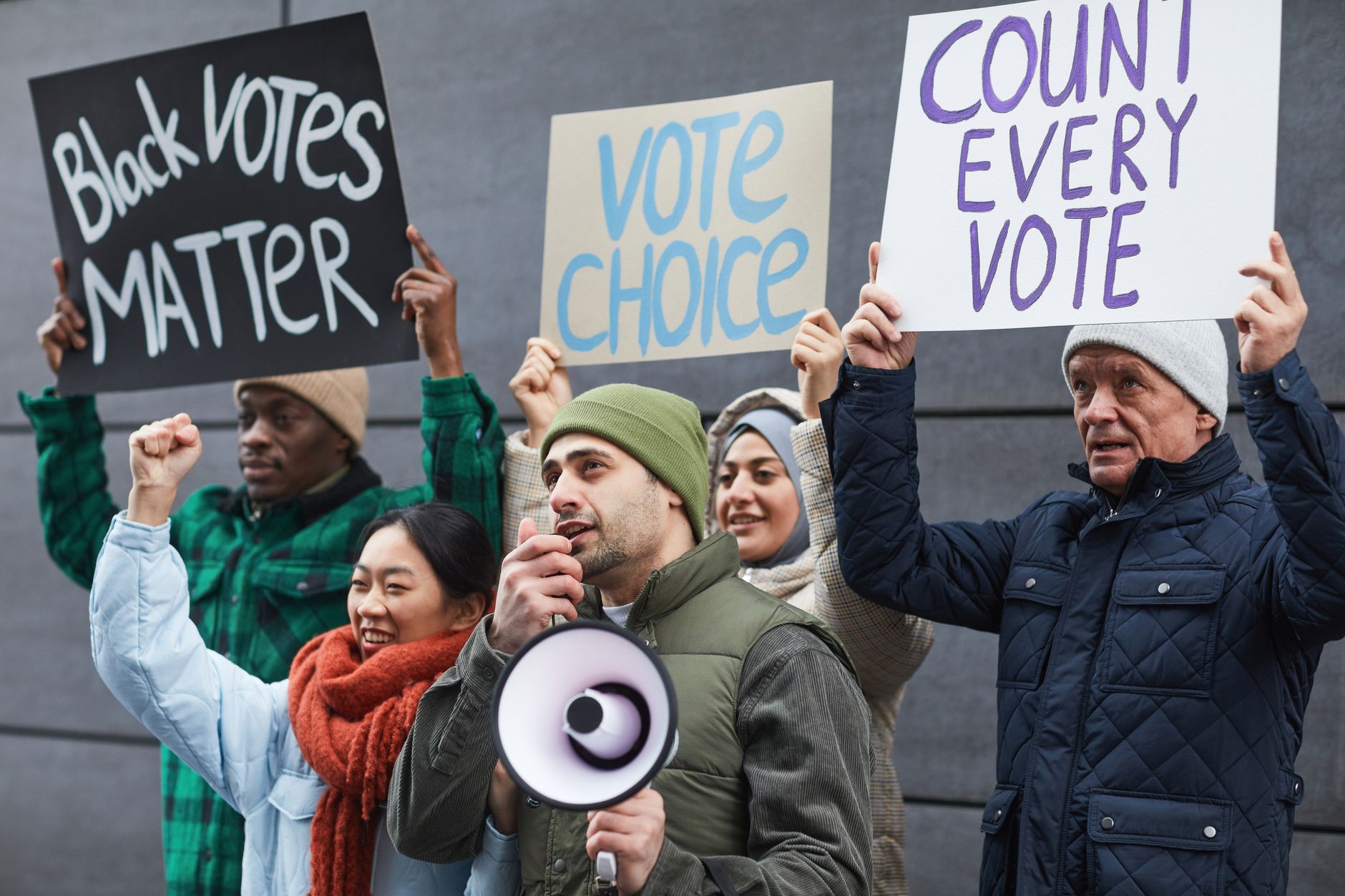
Leader of Opposition in the Lok Sabha, Rahul Gandhi, has issued a public appeal for citizens and student groups to participate in a protest march scheduled for November 1 in New Delhi. The demonstration is being organized in response to alleged irregularities observed during recent electoral roll revisions, an issue that has drawn significant scrutiny from opposition ranks.
In a video message released on Thursday, Gandhi framed the upcoming rally not as a partisan event but as a collective effort to safeguard the country’s democratic framework. He emphasized that the protest is aimed at defending the Constitution, preventing what he termed "vote theft," and preserving the "soul of India." By positioning the march as a national cause, the Congress leader sought to appeal to a broad spectrum of the public, transcending traditional political divides.
A significant portion of Gandhi’s appeal was directed toward the student community. He specifically invited student organizations, regardless of their political affiliations, to join the march if they feel that their freedom of expression and independent thought are currently under threat. He characterized the event as a necessary platform for those who feel marginalized or restricted by the current administrative environment.
Addressing concerns regarding potential security measures or crowd control tactics, Gandhi urged potential attendees not to be deterred by the prospect of police presence or the use of lathis. "There is no need to worry about the police and lathis," he stated in his address, attempting to reassure those who might be hesitant due to the possibility of law enforcement intervention. Furthermore, he asserted that the ruling Bharatiya Janata Party would not have the "guts" to deploy certain tactics during the demonstration.
The call to action also included pointed criticism of senior government officials and constitutional authorities. Gandhi explicitly named Prime Minister Narendra Modi, Union Home Minister Amit Shah, and Chief Election Commissioner Gyanesh Kumar, inviting anyone dissatisfied with their actions and policies to join the protest. His rhetoric focused on the necessity of collective action to challenge the government's approach to the electoral process.
This protest follows a series of opposition claims regarding the transparency and accuracy of electoral rolls, which have become a central point of contention in recent months. The organizers are seeking greater scrutiny of the electoral system, arguing that current processes are vulnerable to manipulation. By calling for a large turnout, Gandhi aims to maintain pressure on the Election Commission and the central government to address these allegations of systematic irregularities.
As the date of the march approaches, the focus remains on the scale of public participation and the government's reaction to the planned demonstration. Gandhi has repeatedly encouraged supporters to walk together, characterizing the event as a pivotal moment for the nation's democratic future. Whether this march will lead to the desired changes in electoral administration remains to be seen, but the event underscores the growing intensity of the debate surrounding the protection of constitutional rights in the country.








Comments