


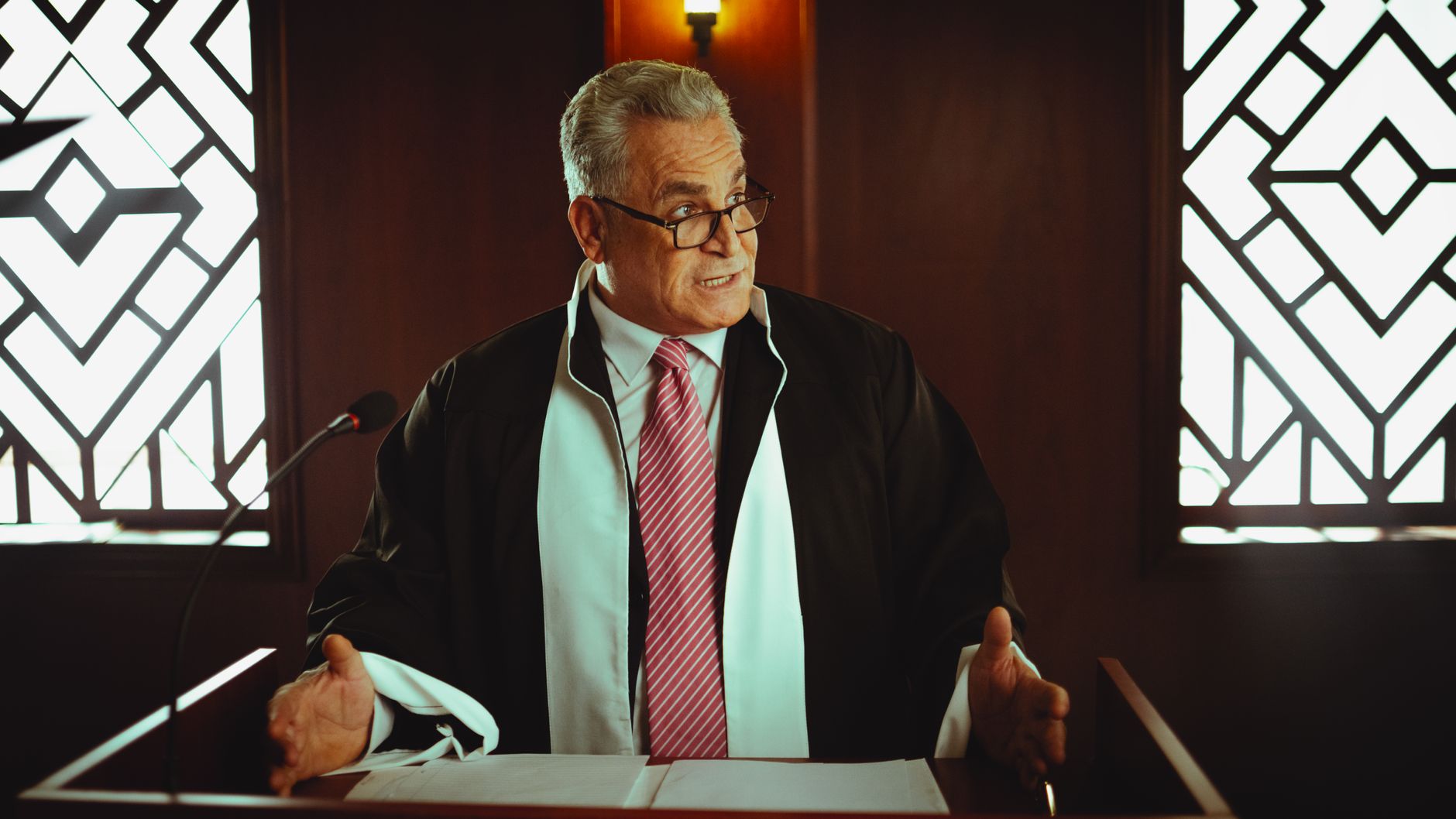
Alvin K. Hellerstein, a long-serving judge on the U.S. District Court for the Southern District of New York, died on Wednesday morning. His passing was confirmed in a statement by Chief Judge Laura Taylor Swain, who noted that he was surrounded by family at the time of his death. Judge Swain paid tribute to his nearly three decades of service, describing him as a “distinguished jurist” known for his “energetic and dedicated service” to the federal judiciary.
A native of New York and a graduate of Columbia Law School, Hellerstein’s legal career began in the U.S. Army’s Judge Advocate General’s Corps, where he served from 1957 to 1960. Following a long tenure in private practice in Manhattan, he was nominated to the federal bench by President Bill Clinton in 1998. Although he assumed senior status in 2011, Hellerstein maintained a significant and active caseload until his final days.
Throughout his career, Hellerstein was frequently assigned to complex and consequential legal disputes. Among his most defining work was his oversight of civil litigation following the September 11, 2001, terrorist attacks. Over the course of many years, he managed cases involving claims of death, injury, and property damage. His involvement was often personal; lawyers noted that he held extensive meetings with victims and their families, at times intervening in proposed settlements that he deemed insufficient to meet the needs of those affected.
In more recent years, Hellerstein oversaw several high-profile criminal and constitutional matters. One of his final major rulings involved a challenge by former President Donald Trump, who sought to move his New York “hush money” conviction to federal court and dismiss it based on presidential immunity. Hellerstein rejected these efforts in August, writing that paying hush money or covering up an embarrassment did not fall under the umbrella of presidential immunity. This ruling allowed the conviction to stand.
Additionally, Hellerstein had been presiding over the narco-terrorism conspiracy case involving Venezuelan leader Nicolás Maduro and his wife, Cilia Flores. Just two weeks prior to his death, he oversaw an arraignment where new torture charges were added to the case. When Maduro declined to enter a plea, the judge directed that a plea of not guilty be recorded on his behalf. Following Hellerstein’s passing, federal judge Analisa Torres is expected to take over the case. Maduro’s legal counsel, Barry Pollack, expressed sadness at the news of the judge's death and offered condolences to his family.
Hellerstein’s judicial record also included rulings that challenged government actions and large institutions. In 2020, he ruled that the Department of Justice violated the First Amendment rights of Michael Cohen, Donald Trump’s former lawyer, by revoking his home confinement in an act he deemed retaliatory. In 2015, he ordered the government to release photographs documenting the abuse of detainees in Iraq and Afghanistan. His courtroom also handled the trial of French bank BNP Paribas in a 2025 civil case concerning allegations that the institution aided the Sudanese government under Omar al-Bashir.
As he navigated a career spanning the aftermath of 9/11 to modern-day international human rights and political disputes, Hellerstein remained a consistent presence in the Southern District of New York. His impact on the court is expected to be felt for years, as the cases he managed—from the Maduro prosecution to complex financial fraud trials like those of Charlie Javice and Bill Hwang—continue to proceed under new judicial oversight.








Comments