


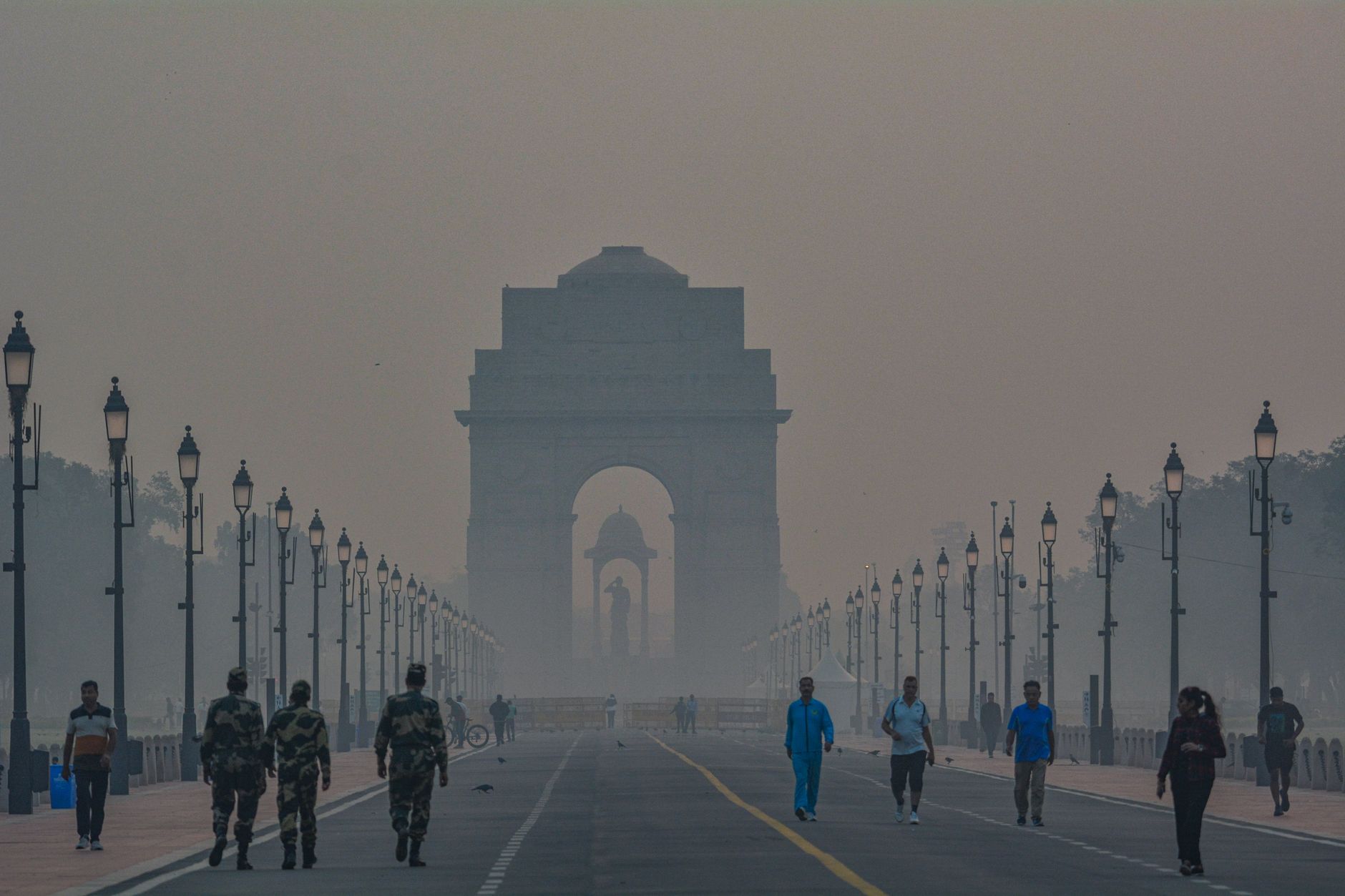
A light-hearted yet sobering exchange took place in the Supreme Court recently, casting a spotlight on the environmental crisis that plagues the National Capital Region every winter. While discussing scheduling matters for upcoming legal proceedings, Supreme Court Justice Vikram Nath offered a candid observation regarding the air quality in Delhi, noting that conditions are set to deteriorate significantly following the Diwali festival.
The conversation unfolded when senior advocate Indira Jaising appeared before a bench headed by Justice Nath. During the proceedings, she requested that a specific hearing be scheduled for mid-November, acknowledging the severe pollution levels that typically grip the city around the Diwali period. In response to the request, Justice Nath suggested that it might be more prudent to take up the matter before the festival, warning that atmospheric conditions would likely become far more hazardous once the celebrations had concluded.
As the dialogue continued, Jaising remarked that the challenges posed by poor air quality affect individuals both before and after the festival period. While the senior counsel expressed a willingness to appear in person regardless of the environmental conditions, Justice Nath used the moment to highlight the distinct operational constraints faced by members of the judiciary. He pointed out that while legal counsel and advocates have the flexibility to utilize hybrid options, such as appearing virtually from their homes to avoid exposure to toxic air, judges do not possess the same luxury of working remotely.
Justice Nath’s remarks served as a reminder of the daily realities for judicial officers, administrative staff, and various other frontline professionals who are required to commute to their workplaces across the National Capital Region, regardless of the severity of the Air Quality Index. This operational necessity remains a constant, even as hazardous levels of particulate matter descend upon the city during the late autumn and winter months.
The observations made by the judge come against the backdrop of persistent judicial scrutiny regarding pollution management. The Supreme Court has long been involved in monitoring executive efforts to control environmental hazards, including the enforcement of firecracker restrictions and the mitigation of agricultural stubble burning across northern India. Every winter, a combination of industrial discharge, vehicular emissions, and adverse weather conditions traps pollutants over Delhi, often leaving the urban area struggling with severe smog.
While the apex court continues to address these issues through various environmental petitions and directives, Justice Nath’s comments captured a sense of widespread resignation to the annual cycle of winter pollution. The exchange underscored the systemic challenges faced by residents and essential institutions that must function continuously, even as the capital approaches its peak window for air pollution.
As Delhi prepares for the post-festive period, the Supreme Court's commitment to maintaining physical court operations highlights the ongoing struggle to balance institutional duties with the health risks posed by declining air quality. For now, the legal community continues to navigate these environmental hurdles, with the bench remaining steadfast in its requirement for physical presence while acknowledging the stark atmospheric realities that accompany the season.








Comments