


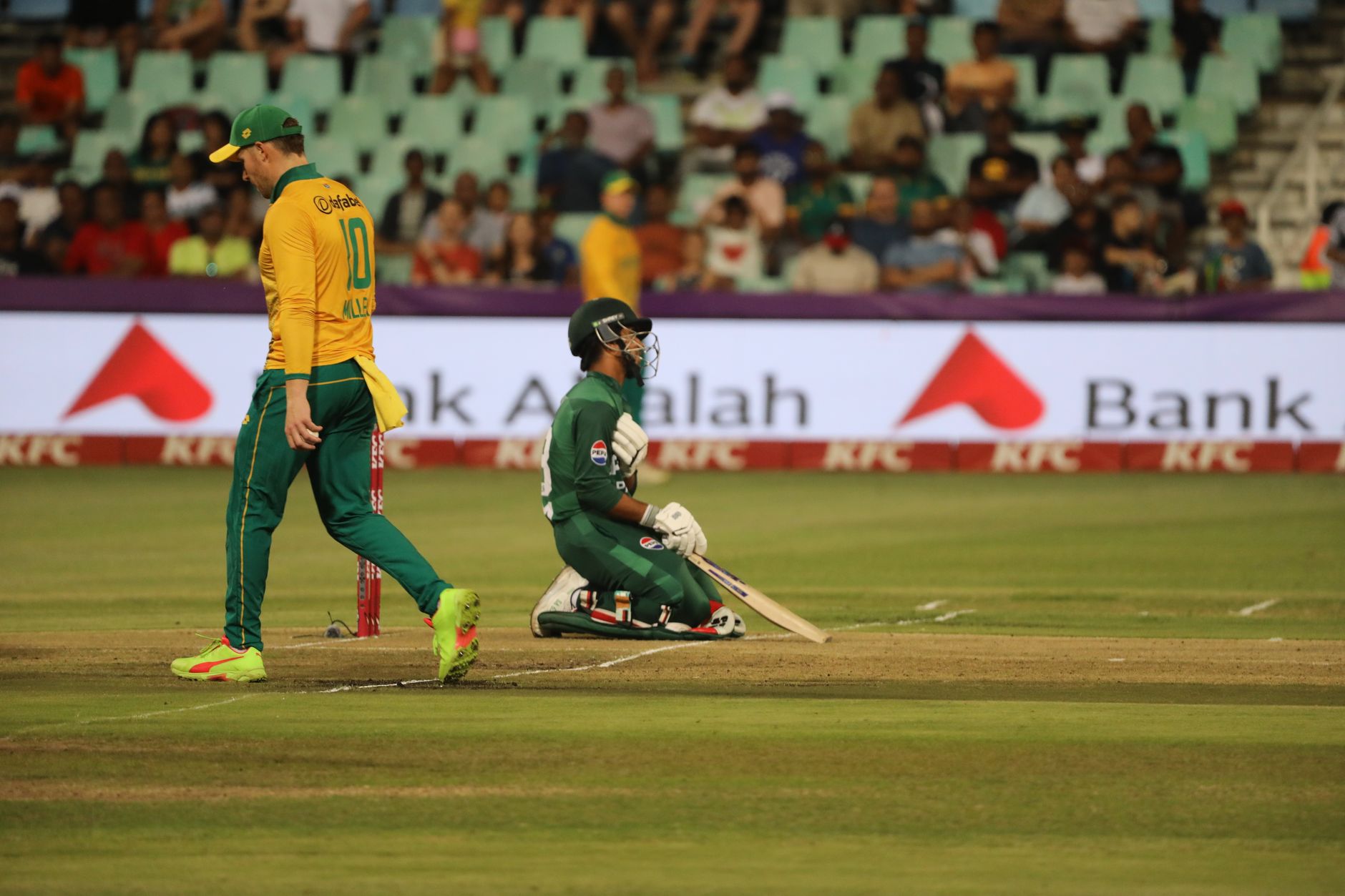
South Africa’s bowling attack faced a difficult challenge during the latest day of their ongoing Test match as two of their key frontline bowlers dealt with unexpected physical setbacks. The team, aiming to maintain pressure on their opponents, saw both Kagiso Rabada and Marco Jansen struggle with discomfort, raising questions about their fitness levels as the match enters a crucial stage. Despite the interruptions caused by these ailments, officials have indicated that the team is hopeful for a full recovery for both players as they prepare for the subsequent day of play.
The issue became apparent when Marco Jansen, the tall all-rounder, did not take the field immediately following the tea break. His absence left the team slightly short-handed during a vital session of the game. However, after receiving treatment, Jansen returned to the field shortly thereafter to continue his duties. Reports from the team camp suggest he was experiencing back stiffness, a common issue for fast bowlers who shoulder a significant workload in the longer format of the game. His ability to return to the action was seen as a positive sign by the coaching staff, who rely on his unique height and bounce to unsettle the opposition batters.
Parallel to Jansen’s situation, strike bowler Kagiso Rabada was also forced to manage his own health concerns throughout the day. According to team updates, the experienced fast bowler was suffering from stomach cramps, which limited his effectiveness and necessitated frequent intervals away from the centre of the action. Stomach cramps can be particularly debilitating for athletes in the heat of a Test match, affecting both their energy levels and their rhythm during a bowling spell. Despite this, he remained committed to the cause, with the management team anticipating his return to full fitness by the morning of the third day.
These fitness concerns arrive at a challenging time for South Africa as they navigate a dense international calendar. The physical demands of Test cricket—which requires players to remain on their feet and operate at high intensity for several hours a day—often take a toll on fast bowlers. When key performers are sidelined or limited by injury, it shifts the burden onto the rest of the bowling unit, potentially affecting the team’s overall strategy and their ability to restrict the opposition to a manageable total.
The team management is expected to monitor both players closely overnight. In the world of professional cricket, player load management is a major priority for sports scientists and support staff. The medical team will likely perform a series of assessments on both Rabada and Jansen before the start of play on day three to determine if they are fit to participate fully. Any lingering issues could force the captain to adjust his bowling rotations, potentially handing more overs to the spin bowlers or the remaining pacers in the side.
Supporters and analysts are watching the situation closely, as the performance of the fast bowling unit is central to South Africa’s success in these conditions. Should Rabada and Jansen be unable to bowl their usual quota of overs, it could change the entire complexion of the match. For now, the focus remains on rest, hydration, and medical recovery. The upcoming sessions will be critical in deciding whether the team can overcome these hurdles and maintain their defensive posture against a determined batting lineup.
As the match moves into the latter stages, the resilience of the squad will be tested. While minor injuries and physical ailments are often a part of the sporting narrative, the specific nature of these problems—cramps and stiffness—suggests that fatigue could be setting in. How the team manages these setbacks will be a testament to their squad depth and the effectiveness of their support staff. For now, the cricketing community awaits further updates on the health of the two players, hoping that the third day will see them back in action and leading the charge once again.








Comments