


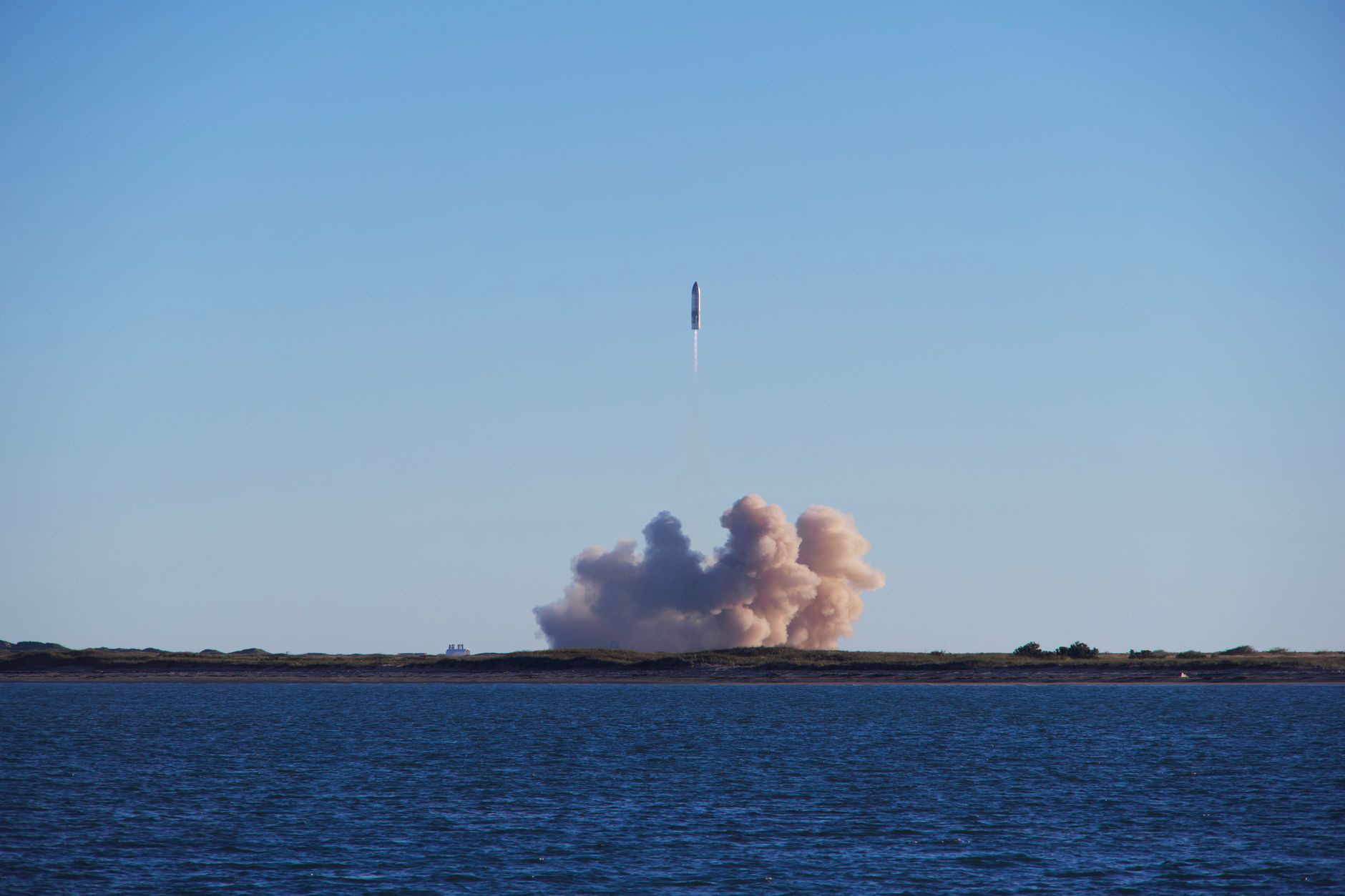
The Indian Space Research Organisation (ISRO) is set to carry out its latest space mission this Friday, October 30, with the scheduled launch of the NVS-03 navigation satellite from the Satish Dhawan Space Centre in Sriharikota. This satellite represents the third unit in India's next-generation navigation series and is designed to provide essential continuity for the Indian Regional Navigation Satellite System (IRNSS).
Equipped with an indigenous atomic clock alongside a complement of other atomic timekeeping devices, the NVS-03 is engineered to broadcast navigation signals across the entire Indian landmass, extending to a reach of 1,500 km beyond its borders. These technical capabilities are fundamental to the country's efforts to bolster its independent regional satellite navigation infrastructure, ensuring consistent and precise positioning services for diverse users.
The satellite, which has a lift-off mass of approximately 2,250 kg, will be propelled into a Geosynchronous Transfer Orbit by the GSLV-F18 launch vehicle. ISRO officials confirmed that the vehicle has already been integrated and prepared for its launch from the second pad at the Sriharikota spaceport. This upcoming launch marks the 20th flight for the GSLV-F18 vehicle, a critical asset in the national space programme.
The mission comes with significant oversight, following a comprehensive review of previous operational challenges. In January 2025, ISRO’s attempt to place the NVS-02 satellite into its intended orbit using the GSLV-F15 vehicle encountered a failure during the orbit-raising operations. Post-mission investigations revealed that the issue originated when the drive signal failed to reach the pyro valve of the engine's oxidiser line. This mechanism was essential for transitioning the satellite from an elliptical orbit to the required circular one.
In response to the NVS-02 incident, an Apex Committee was formed to thoroughly analyse the shortcomings of the mission. The panel identified the root cause of the failure and recommended a series of corrective measures to ensure the reliability of subsequent launches. According to ISRO, the NVS-03 mission has been meticulously planned and readied for flight based on these technical improvements to prevent a repeat of previous complications.
As India continues to refine its navigation capabilities, the deployment of the NVS-03 is viewed as a vital step in maintaining the health and reliability of the IRNSS constellation. The project remains a central component of India's indigenous navigation strategy, designed to offer dependable services that operate independently of global systems. The scientific community and space enthusiasts are closely watching the launch, which serves as a testing ground for the modified mission profile developed by the space agency’s technical experts.
With the countdown underway, all eyes remain on the second launchpad at Sriharikota. The successful insertion of NVS-03 into its designated orbit will mark a return to normalcy for the navigation series, reinforcing ISRO's commitment to overcoming technical hurdles through robust engineering and rigorous oversight. Following the lift-off, mission controllers will monitor the satellite’s health and signal transmission status as it enters the planned transfer orbit.








Comments