


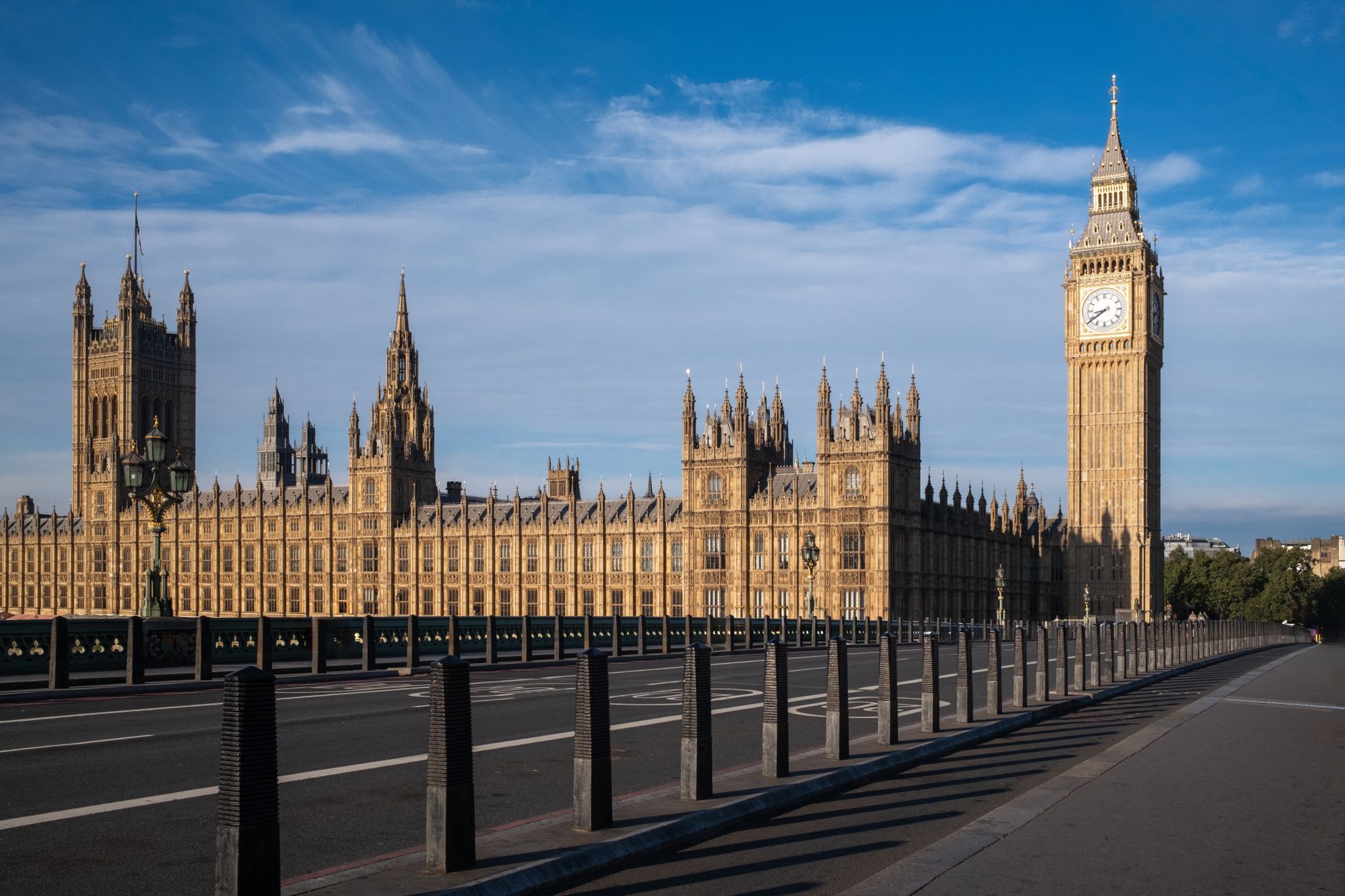
Chancellor John Healey delivered his first Budget in the House of Commons on October 28, 2026, outlining a series of measures designed to provide immediate relief to families amid what he described as global economic instability. A central pillar of the announcement is a one-off £100 payment for millions of households to mitigate the impact of rising energy costs. This initiative is targeted at residents living in council tax bands A to D in England, with administrations in Wales and Scotland indicating they intend to match or replicate the policy.
To finance this support package, the Chancellor confirmed an increase in the tax on the profits of major banks from 3% to 6%. This measure is scheduled to remain in effect from January next year until April 2028. Additionally, the government plans to scrap daily gas standing charges in England, Scotland, and Wales during 2027, moving those costs onto per-unit energy pricing to assist consumers, though this change will result in higher bills for households with significant energy consumption.
The Budget speech, which lasted an hour, also addressed the business sector. Healey announced an increase in the threshold at which high street shops in England become liable for business rates, raising the limit from £12,000 to £18,000, although adult gaming centres and vape shops are excluded from this relief. Furthermore, the existing 5p temporary reduction in fuel duty for petrol and diesel will be extended until July. The government also confirmed a 3.9% increase in minimum wage rates set for April.
Despite these interventions, the Chancellor acknowledged the limitations imposed by a strained public finance situation, noting that the UK is expected to spend £14 billion more on debt interest payments this year. In an effort to manage fiscal challenges, the government will maintain frozen income tax thresholds. While a previously planned increase in taxes on savings and property rental income for basic rate taxpayers to 22% will proceed, it is scheduled to rise to 24% by April 2027. Conversely, the government has decided to scrap a planned reduction in the annual cash ISA allowance that was announced last year.
The Office for Budget Responsibility (OBR) provided a cautious outlook, downgrading its growth forecast for the coming year to 1%. The watchdog’s head, David Miles, described the projected economic situation for households as difficult, noting that British families may see little improvement in their financial standing even a decade after the onset of the Covid-19 pandemic. Healey attributed much of the current economic pressure to soaring oil prices and global uncertainties linked to conflict in the Middle East.
The announcement drew immediate criticism from Conservative leader Kemi Badenoch, who argued that the government’s approach lacked the necessary boldness to address the nation's welfare system and tax burden. Badenoch pointed to the UK’s high spending on debt interest and challenged the Chancellor on the timeline for defence investment commitments, which are slated for review next year. Other opposition leaders, including Liberal Democrat Sir Ed Davey and Reform UK's Nigel Farage, also expressed skepticism, suggesting that the measures were minor adjustments that failed to address broader economic issues such as trade relationships and structural growth.
Looking ahead, the government plans to implement further changes in the next fiscal year, including reforms related to welfare and defence spending. Healey also proposed a devolution plan intended to allow regional mayors to retain a higher share of local business rates and income tax, describing the initiative as a significant step for regional governance. Further legislation and specific details on these long-term spending commitments are expected to be finalised during the next annual spending review.








Comments