


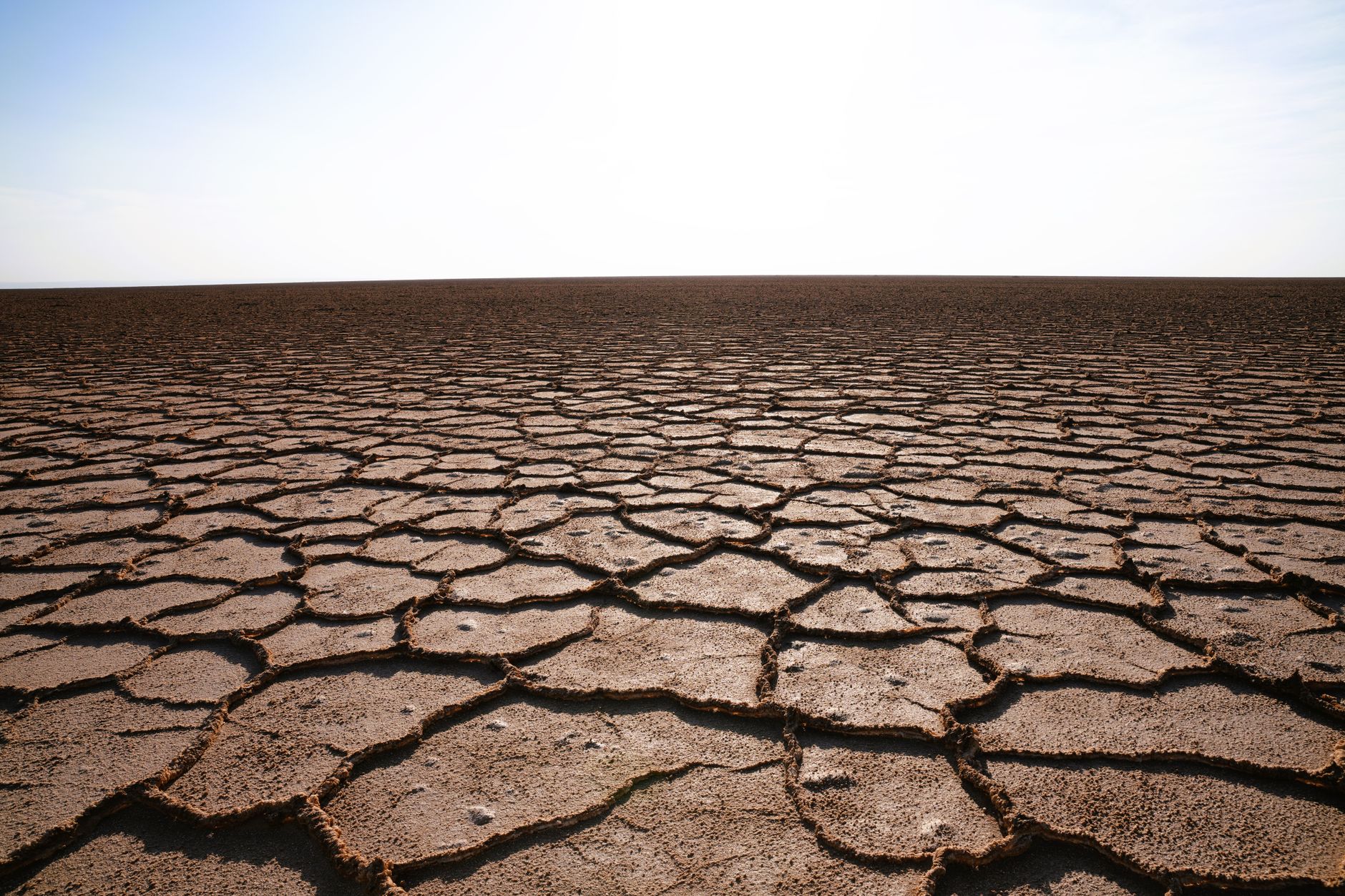
Health risks associated with a changing climate have intensified significantly over the past decade, according to the 10th Lancet Countdown Report on Health and Climate Change. The study, released this Wednesday, reveals that the decade following the adoption of the Paris Agreement, spanning from 2016 to 2025, has witnessed a faster escalation of climate-related health harms compared to the preceding ten-year period. Researchers attribute this trend to climate action efforts that have largely failed to keep pace with the rising environmental threats.
The findings indicate a stark increase in human mortality linked to rising temperatures. Global annual average heat-related deaths have climbed by approximately 36% since the inception of the Paris Agreement. The year 2023 proved to be particularly severe, with heat being a contributing factor in a record 710,000 deaths worldwide. The report underscores that more than 70% of this staggering toll is directly attributable to climate change caused by human activity, highlighting the direct link between global industrial emissions and public health outcomes.
This comprehensive analysis is the result of a collaborative effort involving 146 multidisciplinary researchers from over 100 institutions spanning more than 30 countries. By tracking 54 specific indicators, the authors measured both the negative health consequences of climate change and the potential benefits arising from health-focused climate interventions. The researchers evaluated data from diverse regions to provide a global perspective on how warming temperatures impact human wellbeing and the effectiveness of current adaptation strategies.
The study does acknowledge some areas of progress. Since the Paris Agreement was implemented, there have been observable improvements in certain sectors. The report cites the adoption of cleaner energy sources, the development of more resilient healthcare systems, and the enactment of legislation aimed at protecting public health as positive steps. Scientific evidence regarding these climate impacts has also expanded, providing local communities with better data to navigate the changing environment.
However, the authors emphasize that these positive gains remain insufficient, inconsistent, and ultimately too slow to counteract the surging risks posed by a warming planet. The report identifies systemic inertia as a primary barrier to meaningful progress. Despite global commitments to transition toward greener alternatives, the world continues to grapple with an rising overall demand for energy that is still heavily dependent on non-renewable sources.
Central to this systemic challenge is the global reliance on fossil fuels, which continue to supply more than 80% of the world's energy needs. The report warns that until this fundamental aspect of the global economy is addressed, efforts to mitigate the worst health outcomes of climate change will remain hampered. The ongoing dominance of fossil fuels prevents the rapid system-wide change required to effectively stabilise the climate and protect public health on a global scale.
As policymakers and nations review their commitments, the findings of the 10th Lancet Countdown serve as a significant reminder of the urgency of the situation. The report suggests that while the framework provided by the Paris Agreement established a necessary baseline, the practical implementation has struggled to meet the reality of current climatic shifts. Looking ahead, the researchers suggest that accelerating the transition to clean energy and strengthening local health infrastructure remain the most critical pathways for mitigating the health crises driven by climate change.







Comments