


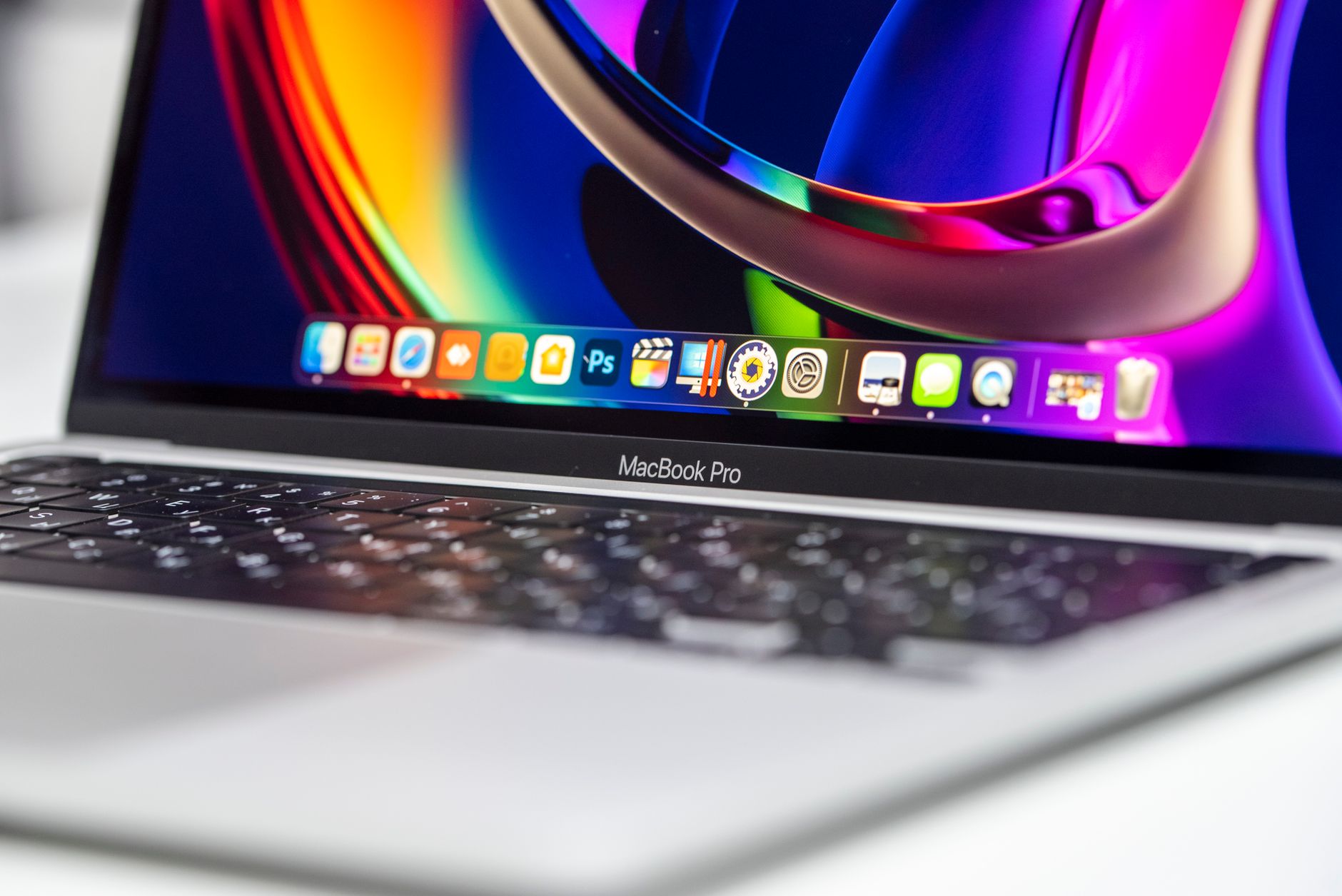
Apple has officially announced its first-ever touchscreen MacBook Pro, marking a significant departure from the company's traditional laptop design philosophy. Introduced during the "Pro and Tell" event on October 28, the new lineup features advanced OLED display technology and integrated touch controls, which the tech giant intends to blend with its premium computing performance. This move signifies a notable shift in strategy for Apple, which had previously maintained a reliance on physical keyboards and trackpads for its MacBook Pro series.
The company has confirmed two distinct versions of the device, available in 14-inch and 16-inch sizes. According to pricing details released by the company, the 14-inch touchscreen MacBook Pro will start at $2,899 in the United States, while the larger 16-inch model will carry a starting price of $3,399. These figures represent a $400 increase over the starting prices of the preceding M5 Pro models, which were previously priced at $2,499 and $2,999 following adjustments made in June 2026. This additional cost is largely attributed to the integration of the new OLED touchscreen hardware and a comprehensive redesign of the laptop’s internal architecture.
Beyond the display upgrade, the new models incorporate several functional enhancements. The traditional display notch has been replaced by Apple's "Dynamic Island" interface, which serves to display information such as Siri updates, Live Activities, and Spotlight. The internal hardware has also seen a redesigned thermal architecture, aimed at better supporting the new cooling demands of the device, alongside an updated hinge mechanism designed to provide increased stability for users interacting directly with the screen. According to the company, these physical changes aim to ensure a stable user experience during tasks like zooming, swiping, or dragging items across the interface.
The laptops continue to utilize the same processor families as the high-end MacBook Pro variants introduced earlier in 2026, specifically the M5 Pro and M5 Max chips. The structural design has also been refined to accommodate the new technology while maintaining portability; the 14-inch model weighs approximately three pounds, while the 16-inch version comes in at about four pounds. Despite the shift in screen interaction, the devices retain their core utility, allowing for functions such as double-tapping to expand windows, pinching for zoom, and navigating web pages via touch.
While US pricing and pre-order details are settled, the international landscape remains partially undefined. As of the announcement, specific pricing for the United Kingdom and Canada has not been officially confirmed, though market analysts anticipate a similar price premium compared to current M5 Pro-equipped models. Consumers in the United States can now place preorders, with the official shipping and availability date set for November 6.
This release is particularly noteworthy as it revisits a concept long debated within the industry. Historically, Apple had resisted the implementation of touchscreens on its professional laptops, with Steve Jobs famously describing the idea as "ergonomically terrible" back in 2010. By introducing these features today, Apple is effectively re-evaluating its long-held stance on how professional users interact with their machines. The "Pro and Tell" event served as the official platform for this transition, setting the stage for what the company characterizes as a new chapter in its premium laptop lineup.








Comments