


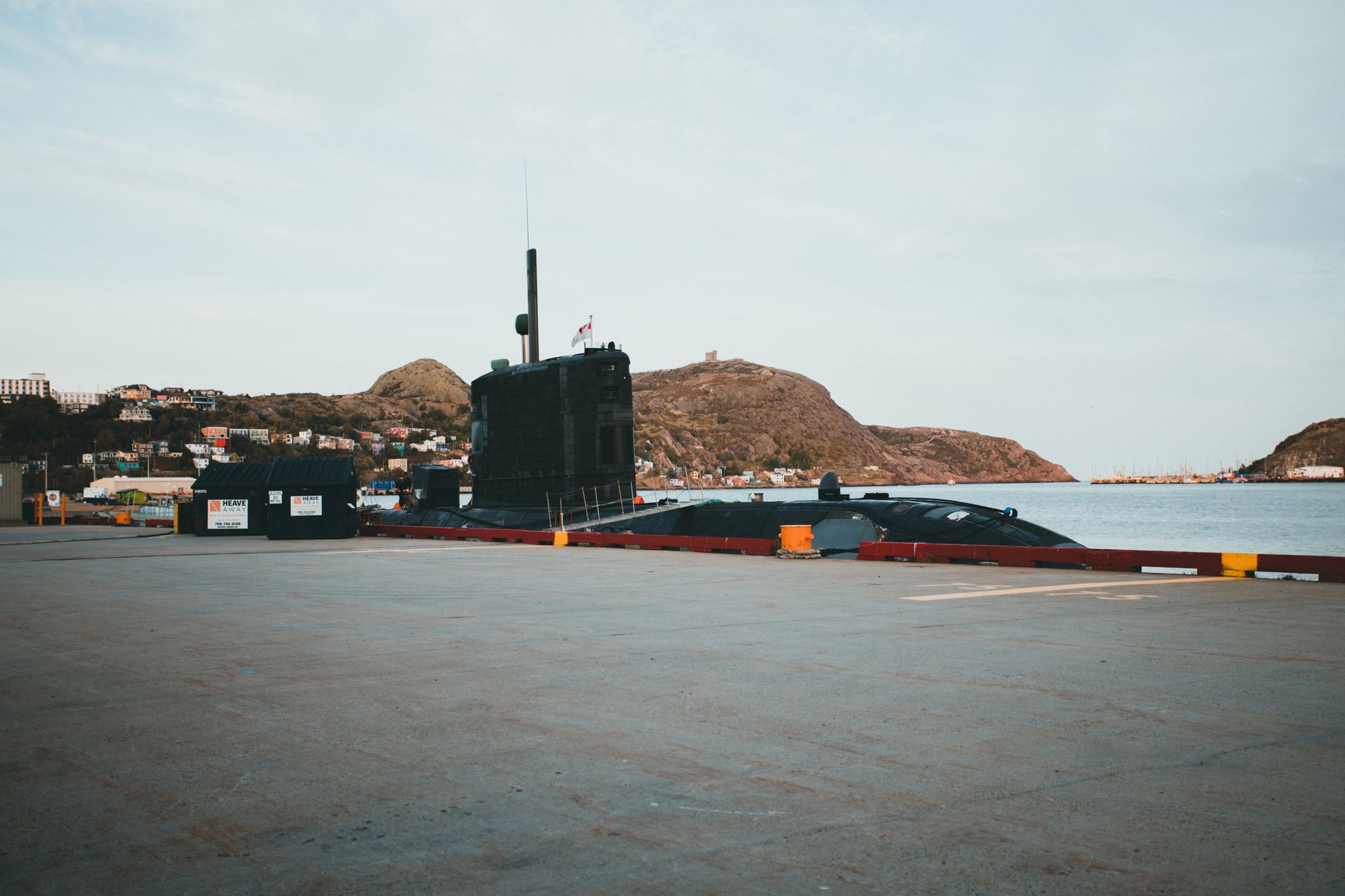
In an unusual move for the Royal Navy, the United Kingdom has deployed three of its four Vanguard-class nuclear deterrent submarines at the same time. This development, reported by The Times on Wednesday, marks the first instance in five years that three of the vessels have been active at sea simultaneously. The fleet currently consists of HMS Vanguard, HMS Vigilant, HMS Vengeance, and HMS Victorious, with the latter currently undergoing scheduled maintenance.
The Royal Navy continuously maintains at least one of these submarines at sea as a primary security guarantee, a protocol that has been in place since 1969. According to Navy Lookout, an independent publication monitoring the Royal Navy, the current situation likely involves one submarine carrying ballistic missiles on active patrol, while a second vessel prepares to relieve the patrol boat. The third submarine is expected to be engaged in sea trials or necessary work-up activities. A navy source cited in reports described the three-vessel deployment as an “unusual” operational posture.
The movement of the fleet occurs against a backdrop of heightened rhetoric regarding Britain's defence capabilities. Last week, Defence Secretary Wes Streeting cautioned that the United Kingdom must prepare for the possibility of war, stating that adversaries could reach a point of potential aggression by 2030. In an article for the Telegraph, Streeting argued that the nation has approximately 1,000 days to ensure it is equipped to “fight and win” alongside its allies. This follows the launch of a “Be Ready” government campaign, which encourages households to prepare emergency supplies, including food and water, for potential disruptions caused by cyberattacks or severe weather.
Government officials have reiterated that the nuclear deterrent remains the “cornerstone” of national security, providing protection for the UK and its NATO allies. A Ministry of Defence spokesperson stated that Britain is currently the only European ally to commit its nuclear deterrent specifically to the defence of NATO, ensuring that all alliance members benefit from this strategic umbrella.
Strategic cooperation appears to be tightening between European powers as well. Recently, British and French fighter jets conducted a joint exercise involving French airborne nuclear capabilities, marking the first time the two nations have performed such a drill. French Armed Forces Minister Catherine Vautrin noted that independent nuclear forces do not preclude coordination and that collaboration between the UK and France continues to deepen.
While the Ministry of Defence has not provided specific details on why the three submarines were deployed at this time, the move aligns with a broader focus on security threats. Reports have previously surfaced regarding potential surveillance of undersea cables by foreign actors using fishing trawlers. As the UK government continues to emphasize a message of readiness, officials maintain that these actions serve as a necessary deterrent in an “increasingly dangerous world.”
As the situation develops, the focus remains on whether these deployments signal a permanent shift in Britain’s defence posture or an isolated operational adjustment. For now, the Ministry of Defence maintains its standard stance that the nuclear deterrent acts to preserve peace for future generations, ensuring that adversaries remain under no doubt regarding the nation's defensive commitments.







Comments