


The Union Cabinet has given its nod to a series of strategic initiatives worth ₹29,267 crore, aimed at strengthening India’s industrial base, enhancing rural governance, and providing financial relief to government staff. Addressing the media on Wednesday, Information and Broadcasting Minister Ashwini Vaishnaw detailed the government’s multifaceted approach to building domestic manufacturing capacity and supporting the welfare of central government employees and pensioners.
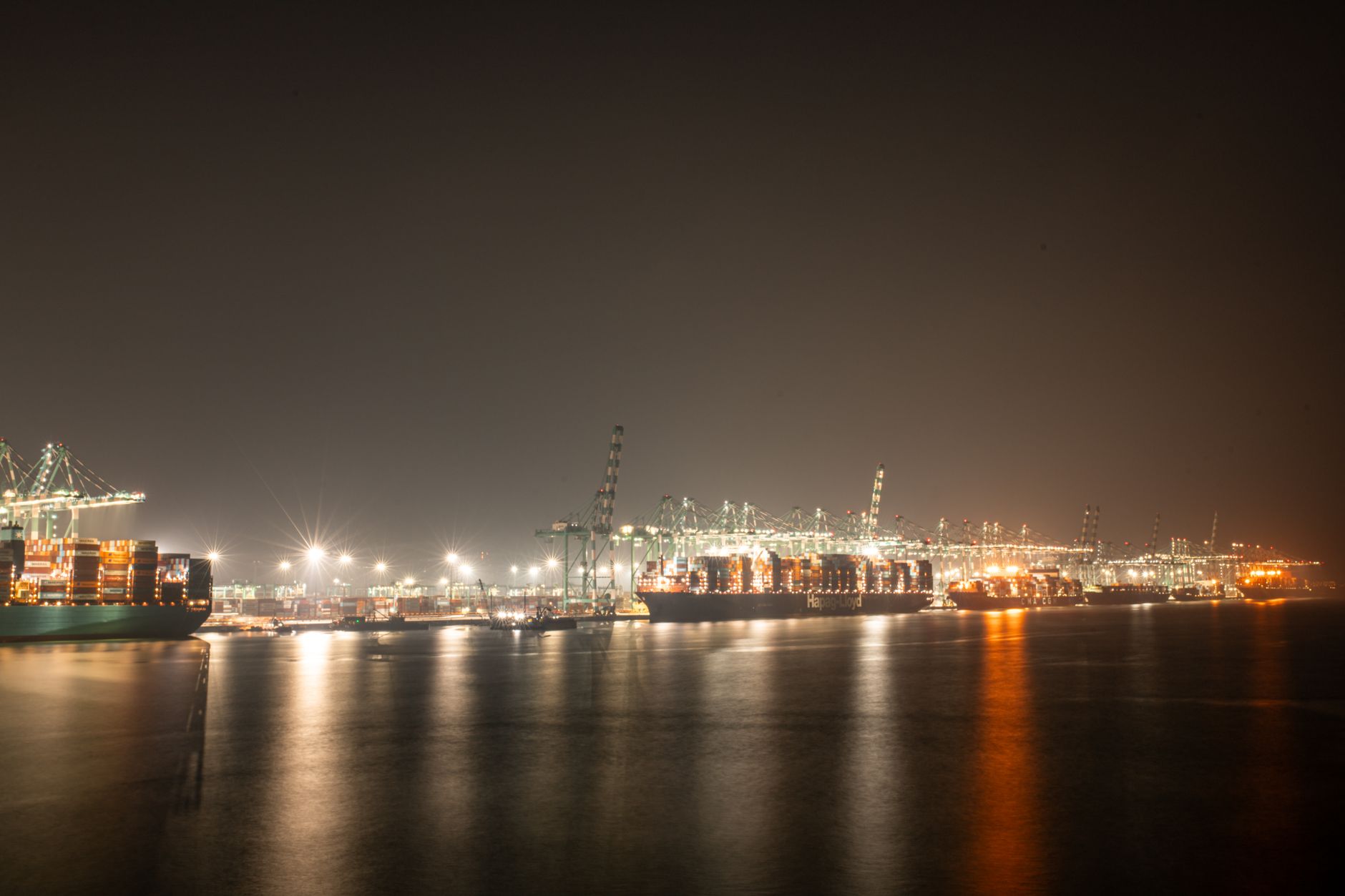
A significant portion of the approved budget is directed toward the newly unveiled Container Manufacturing Promotion Scheme, which carries an outlay of ₹10,000 crore. This initiative is designed to address global supply chain vulnerabilities that have previously hindered Indian exporters, particularly during periods of international conflict. By incentivizing the domestic production of shipping containers, the government aims to carve out a 15-20% share of the global market over the next 13 years. The strategy includes a 3% interest subsidy on loans for manufacturing units and assistance for operational expenditures. Furthermore, manufacturers will benefit from concessional land lease rates at ports, with substantial financial support allocated per container unit based on size and type.
To ensure long-term self-reliance, the scheme mandates strict local sourcing requirements. Producers are required to source at least 70% of their materials domestically until the 2032 fiscal year, a threshold that will increase to 90% from 2033 onwards. Currently, the global container market is heavily dominated by China, which controls approximately 90% of manufacturing capacity. India’s goal is to scale up its annual manufacturing capacity nearly tenfold to 7.5 lakh Twenty-Foot Equivalent Units (TEUs), effectively insulating domestic exporters from future supply shocks.
In a separate but equally significant move, the government has launched a ₹1,856 crore scheme dedicated to the sports goods manufacturing sector. This program, set to run from the 2027 to 2034 fiscal years, aims to provide structural support to existing manufacturing clusters located in Jalandhar, Meerut, and Ludhiana. Additionally, the government plans to establish four new Integrated Sports Goods Management Zones, each spanning over 300 acres. These zones are intended to integrate domestic manufacturers into global value chains by offering capital expenditure support to major investors and turnover-linked incentives for smaller firms.
Minister Vaishnaw clarified that while the scheme covers a broad range of sports goods, it explicitly excludes sports apparel. The initiative will also provide necessary funding for research, development, and international product certification to help Indian manufacturers compete on a global scale. This push comes as the sector grapples with rising energy and commodity costs, which have previously placed considerable pressure on small and medium enterprises operating within these clusters.
Beyond industrial policy, the cabinet also approved a 3% increase in Dearness Allowance (DA) for central government employees and Dearness Relief (DR) for pensioners. This measure, which the Minister described as a “Diwali gift from Prime Minister Narendra Modi,” is expected to cost the public exchequer approximately ₹10,016 crore. The decision is aimed at providing financial support ahead of the festive season, helping beneficiaries manage the impact of inflation.
The package of decisions reflects a broader government priority to bolster domestic manufacturing, improve the competitiveness of Indian exports, and empower grassroots administration. By providing targeted financial assistance and infrastructure support, the administration hopes to create a more resilient industrial landscape. These measures represent a coordinated effort to transition from an import-dependent economy to one that plays a larger role in the global supply chain, while simultaneously addressing the immediate welfare needs of the government workforce.








Comments