


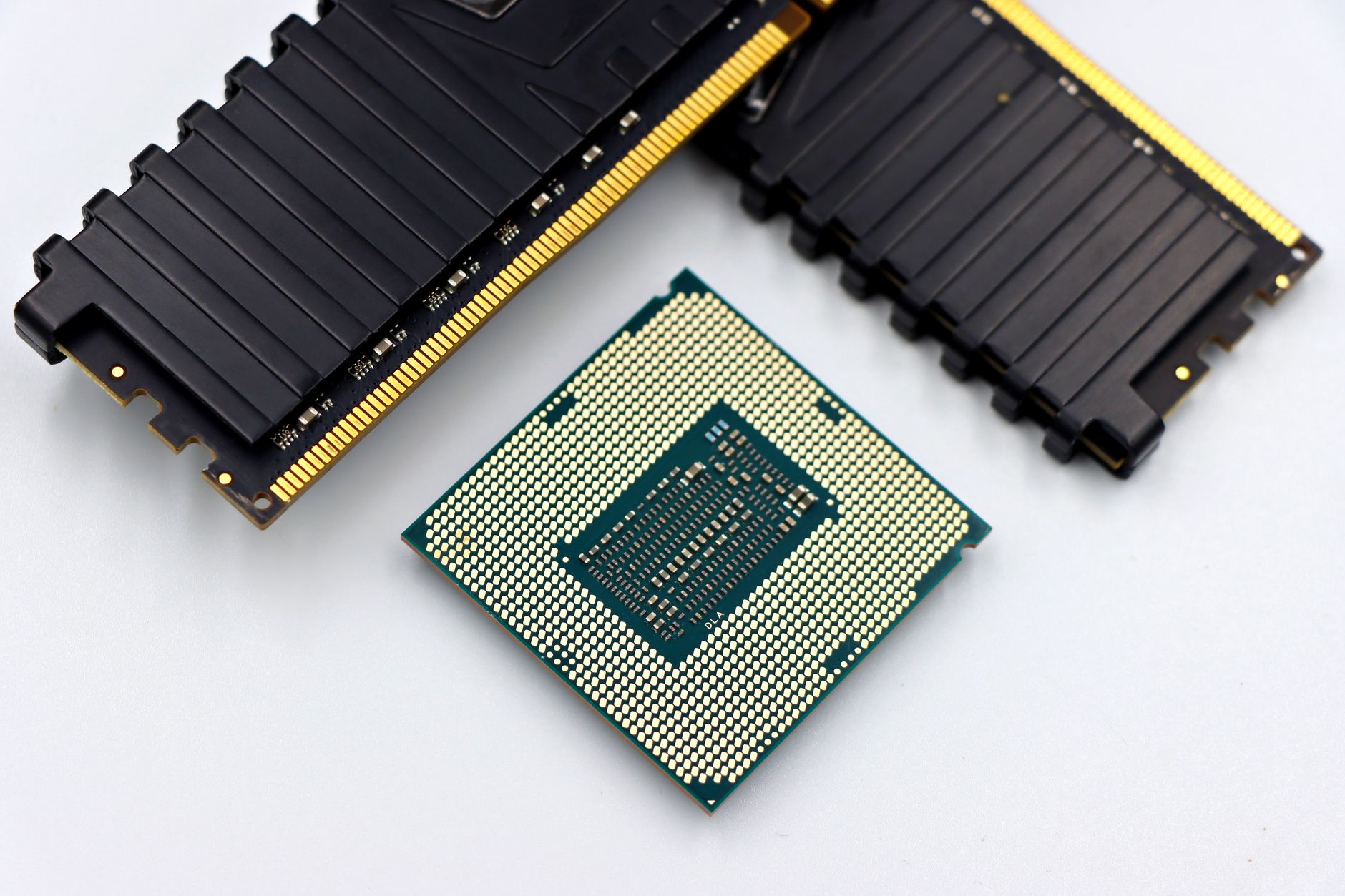
OpenAI is reportedly exploring the procurement of artificial intelligence computing chips from Google as part of a strategic initiative to expand its total computing capacity and strengthen its foundational AI infrastructure. According to a report citing an individual familiar with the matter, these discussions are currently underway, though the final terms and conditions of such a potential deal have yet to be determined. The source requested anonymity due to the private nature of these negotiations.
This initiative represents a significant shift in how the organization secures the necessary processing power to develop, train, and operate its sophisticated AI models. By looking toward Google as a potential hardware supplier, OpenAI appears to be taking deliberate steps to avoid over-reliance on a single vendor. Currently, the market for AI computing hardware is dominated by Nvidia, whose graphics processing units (GPUs) are widely considered the industry standard for handling intensive artificial intelligence workloads.
Beyond the potential partnership with Google, OpenAI is simultaneously pursuing an internal hardware strategy. The company has previously announced its intention to begin deploying its own custom-built AI chips to support its models later this year. These proprietary chips, internally referred to as "Jalapeno," are being developed in collaboration with Broadcom. The project reportedly benefits from the expertise of professionals with historical experience in semiconductor development, including staff who previously contributed to Google’s own internal chip initiatives.
Google’s proprietary processors, known as Tensor Processing Units (TPUs), were originally conceived over a decade ago. Initially designed to optimize the efficiency of Google’s web search operations, these chips were later adapted to manage complex AI-related tasks. Over time, the TPUs have evolved into a viable alternative to the hardware traditionally used to power large-scale machine learning systems, providing a necessary layer of competition in the high-demand semiconductor space.
The broader technology landscape is increasingly focused on diversifying compute sources. Industry leaders have noted that the next generation of artificial intelligence systems will likely require a varied and diverse range of computing architectures to remain efficient and scalable. This philosophy was echoed by Google executive Amin Vahdat, who highlighted the necessity of such diversity in meeting the demands of future AI developments.
Infrastructure expansion is also being supported through external cloud-computing platforms. In a related development, Oracle recently announced that its customers would gain access to Google’s TPUs through its own cloud-computing infrastructure. This integration allows broader market access to Google’s specialized hardware, signaling a move toward making high-performance AI chips more accessible to companies beyond the core tech giants.
As OpenAI continues to scale its operations, the ability to secure reliable and efficient hardware remains a critical priority. By exploring Google’s TPUs while simultaneously advancing its own chip development projects, the company is positioning itself to handle the growing computational burden of its technology. While Nvidia remains a dominant force, the push for alternatives underscores a pivotal moment in the hardware supply chain as the sector seeks to optimize performance and mitigate risks associated with hardware shortages or single-source dependency.








Comments