


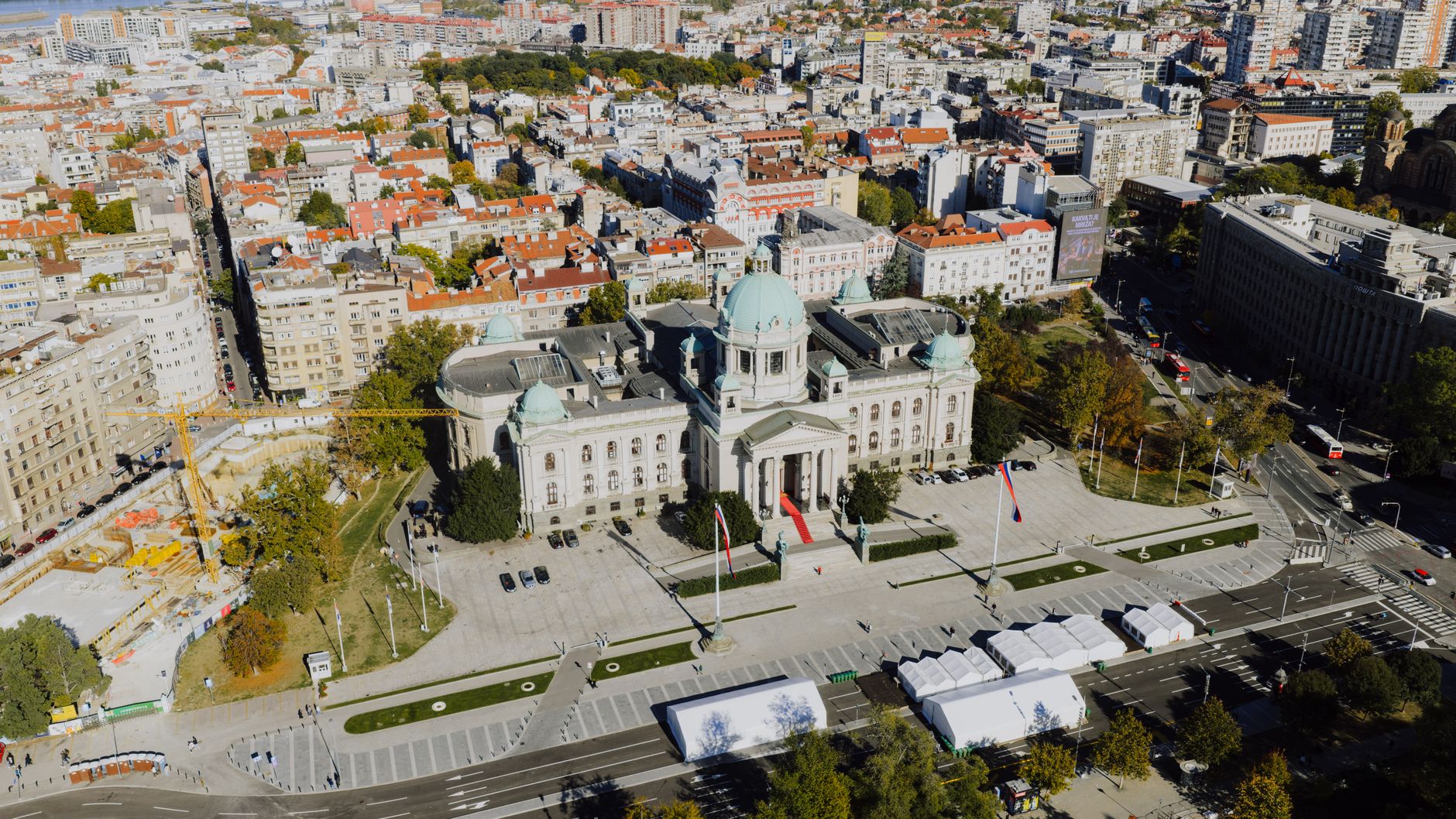
Following a transformative snap election on Sunday that saw the student-led protest movement unseat former President Aleksandar Vucic, Serbia is currently entering a period of political transition. With the movement having successfully challenged the long-standing power structure, the nation is now awaiting the appointment of a prime minister and various key ministerial positions to formalize the new government. The emergence of the "Student List - Students Win" electoral ticket has introduced a diverse array of professionals into the national political discourse.
Among the prominent figures associated with this transition is Dejan Soskic, a 59-year-old economist and professor at the University of Belgrade’s Faculty of Economics. Soskic brings prior administrative experience to the table, having served as the governor of the National Bank of Serbia (NBS) between 2010 and 2012. His tenure as governor ended with his resignation, which he stated was a protest against legislative amendments he believed threatened the independence of the central bank. Over the past several years, he has remained a persistent critic of Vucic’s administration.
Soskic’s economic philosophy centers on the necessity of prudent public finance management, which he argues is essential for establishing a foundation for sustained increases in pensions and wages. In 2021, he publicly expressed concerns regarding systemic corruption within Serbia, suggesting that it functioned as a barrier to both domestic and foreign direct investment. While Vucic and the Serbian Progressive Party have consistently denied such allegations of corruption, Soskic’s platform maintains that structural reform is necessary to correct institutional weaknesses.
His past record at the central bank remains a point of contention in the local media. Pro-government outlets have frequently highlighted the depreciation of the Serbian dinar during his time as governor. In response, Soskic has clarified that the movement in the currency’s value during that period was a direct result of mandatory monetary policies rather than individual mismanagement. During the recent election campaign, Soskic proposed potential adjustments to the dinar’s exchange rate, which currently operates under a managed float against the euro. He suggested that weakening the currency could increase export competitiveness, though he also presented the alternative of maintaining a stronger fixed rate accompanied by reduced wage costs.
Alongside Soskic, the cardiologist and professor Ilija Srdanovic has played a central role in the movement’s political ascent. Srdanovic, 55, serves as a professor at the University of Novi Sad Faculty of Medicine. He became the face of the student-led electoral list when the ballot was finalized in September. A keen cyclist, Srdanovic’s involvement reflects the broader professional profile of the movement, which has drawn from academia and specialized sectors to challenge the previous government.
The shift in power follows a period of intense public pressure and student-led protests that eventually culminated in the snap election results reported on October 25, 2026. The movement’s rise marks a significant departure from the political landscape that had been dominated by Vucic’s party. As the new leadership prepares to assume control, the focus remains on how these candidates will balance their stated goals of economic reform against the practical challenges of governing a Balkan state that has recently undergone such a rapid shift in political administration.
The coming weeks are expected to be critical as the student coalition navigates the formation of cabinet positions and begins the process of implementing the policies proposed during their campaign. The public and international observers are waiting to see how this diverse leadership team—composed of bankers, educators, and medical professionals—will address the institutional issues that the movement campaigned on throughout the election period.








Comments