


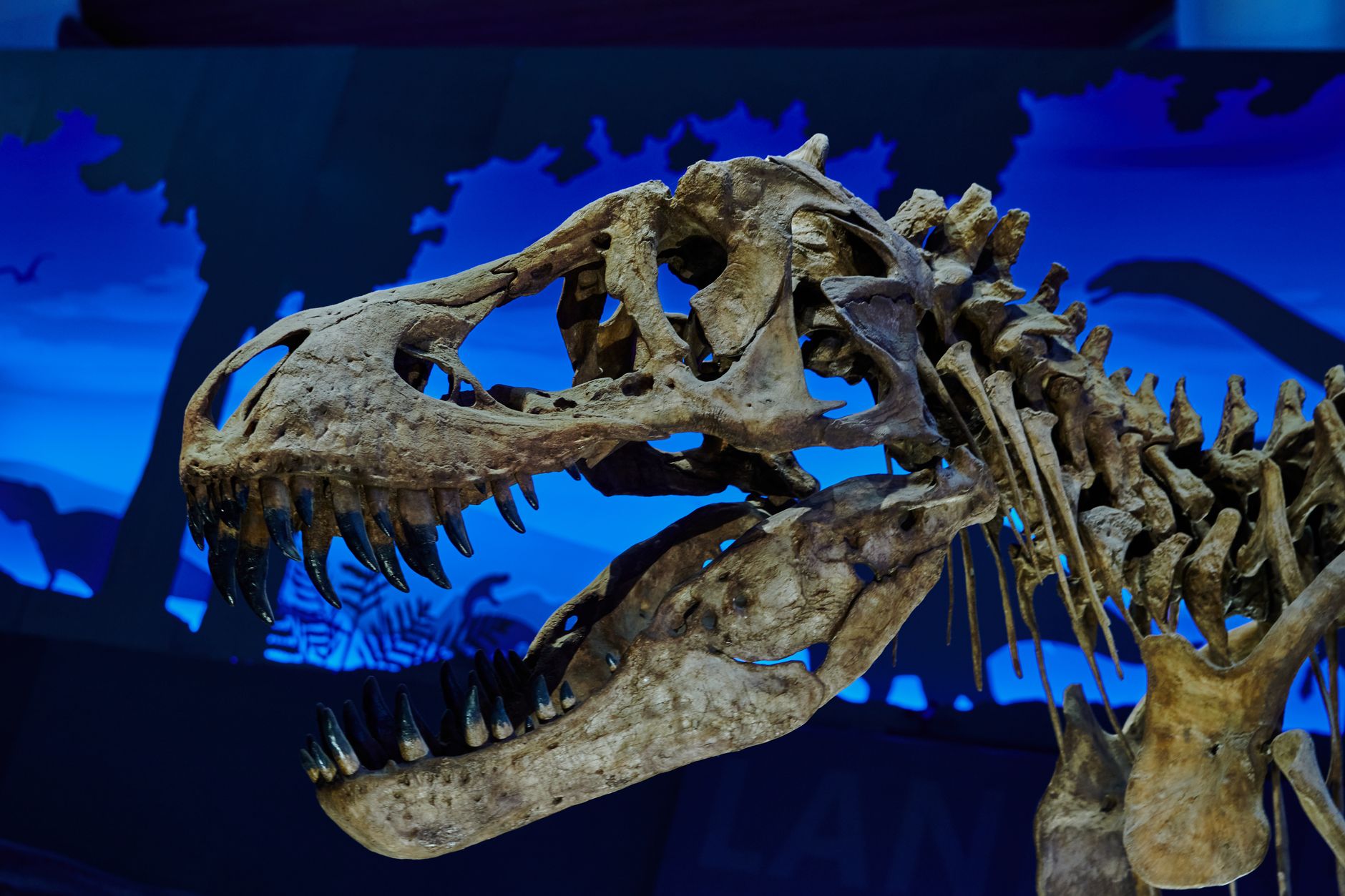
A rare dinosaur skeleton has achieved a staggering price at a New York auction, igniting fresh discussions about the intersection of commercial collecting and scientific research. The specimen, a nearly 70%-complete Nanotyrannus known as Jodi, sold for $47.3 million. This final bid far surpassed the auction house’s top estimate of $9 million, underscoring the immense value currently placed on well-preserved prehistoric remains by private collectors.
The story of the fossil began in 2019 on a ranch in Montana, located within the Hell Creek Formation. This site is renowned among paleontologists as one of North America’s most productive areas for dinosaur discoveries. The skeleton was unearthed by commercial paleontologist Clayton Phipps on land owned by rancher Jodi Pierson. Following its discovery, the specimen underwent a lengthy period of analysis and preparation for display.
For many years, the taxonomy of Nanotyrannus remained a subject of intense academic dispute, with researchers frequently debating whether it was a distinct genus or merely a juvenile Tyrannosaurus rex. However, recent scientific findings have shifted the consensus, suggesting that Nanotyrannus is indeed a separate, distinct genus. This reclassification has significantly increased the importance of specimens like Jodi, as there are only three relatively complete examples of this dinosaur known to modern science.
Standing approximately 9 feet 6 inches tall and measuring nearly 20 feet in length, Jodi represents a smaller, more slender version of the iconic tyrannosaurs that lived 67 million years ago. Anatomically, the creature featured narrower, blade-like teeth and longer forelimbs equipped with larger hand claws, distinguishing it from the more robust T. rex. The mounted skeleton comprises 191 fossilized bone elements, with custom 3D-printed and sculpted components used to complete the display.
The sale at Sotheby’s lasted approximately 12 minutes, with six prospective buyers competing for the rare piece. The successful bidder, who opted to remain anonymous, secured the skeleton for a price more than five times higher than the lower estimate provided by the auction house. This figure places Jodi as the second-most expensive dinosaur fossil ever auctioned, trailing only the $50.1 million paid for a Tyrannosaurus rex named Gus earlier this year. The record-breaking sales of such specimens, including the $44.6 million paid for an Apex Stegosaurus in 2024, highlight a growing market for high-value fossils.
The sale has once again highlighted a long-standing tension between the private market and the scientific community. Experts have voiced concerns that the trend of high-priced sales to private collectors risks removing significant specimens from public view and academic study. While some fossils are donated to institutions, many privately acquired pieces become inaccessible to researchers, potentially hindering the broader scientific understanding of the Late Cretaceous period.
As the debate continues, the significance of the Hell Creek Formation remains undiminished. The region has consistently yielded critical findings, including the famous Dueling Dinosaurs discovered by Phipps in 2006. With Jodi now heading to an undisclosed collection, the broader discussion over the ownership and accessibility of prehistoric heritage is expected to remain a significant point of contention for both paleontologists and the public at large.








Comments