


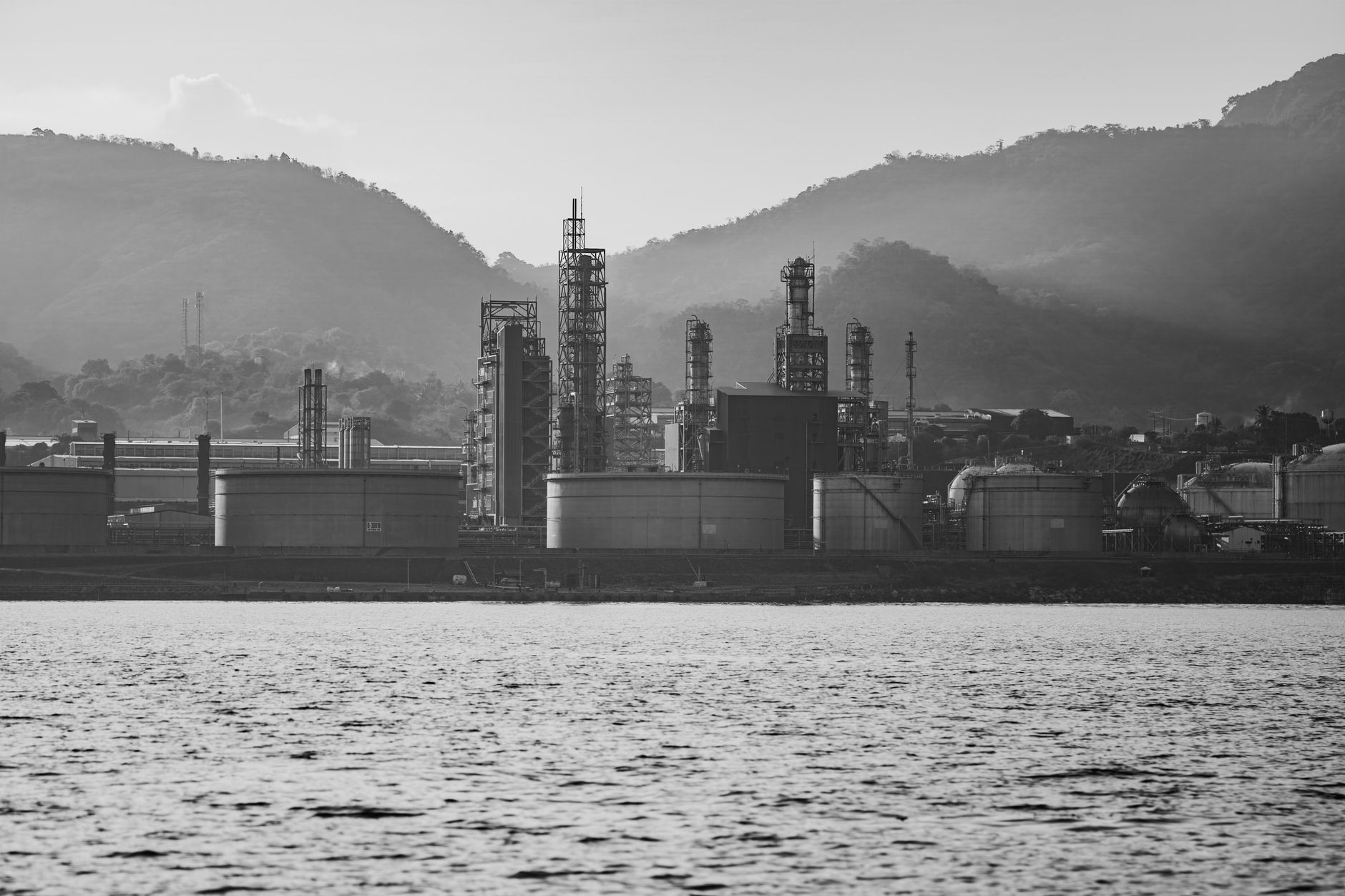
Yemen's Houthi movement claimed responsibility for a ballistic missile attack on Saudi Arabia’s Ras Tanura oil refinery on Tuesday, October 27, 2026. The strike on the key energy facility, located in the kingdom’s Eastern Province, reportedly caused massive fires at the complex. The Houthi military spokesman, Yahya Saree, announced the operation on social media, marking a significant escalation in the group's ongoing campaign against Saudi infrastructure.
The Saudi-led coalition, which has been engaged in a long-standing conflict against the Iran-backed Houthis, confirmed that its air defenses successfully intercepted three missiles fired toward the Eastern Province. Maritime security agency Vanguard reported that a fire broke out at the Ras Tanura site during the early hours of Tuesday. While the company stated that the fire appeared to have been contained, the total extent of the damage to the infrastructure and the impact on oil-loading operations remained uncertain as of early Wednesday.
The Ras Tanura facility is a cornerstone of the Saudi energy sector, boasting a capacity of 550,000 barrels per day. The refinery has been a frequent target for strikes, including a notable drone attack in early March that necessitated a partial shutdown of the plant. Tuesday's strike was accompanied by reports of multiple explosions echoing through Riyadh, the capital city. A text message alert was issued to residents, advising them to seek shelter, while the coalition reported intercepting two additional ballistic missiles aimed at the capital.
These attacks coincide with heightened diplomatic maneuvering in the region. On Monday, October 26, the Egyptian Parliament authorized the provision of defensive military support to Saudi Arabia, following a formal request from President Abdel Fattah al-Sisi. A Houthi political bureau member, Mohammed Ali al-Houthi, condemned the move in a statement, describing the parliamentary authorization as a declaration of war against Yemen. He asserted that the Houthi forces remained undeterred by any military alliances formed against them.
Regional tensions are further complicated by recent efforts to de-escalate the broader conflict. The Saudi defence minister recently met with the Pakistani army chief and the head of Turkish intelligence in Tehran. Furthermore, Riyadh, Ankara, and Islamabad have entered into a new security arrangement, described as a NATO-style defense pact, which dictates that an attack on one member will be treated as an attack on all three. Despite these security commitments, neither Turkey nor Pakistan has reported any direct strikes against the Houthi forces.
The current instability is part of a wider regional crisis that reignited in July, significantly impacting the stability of West Asia. The Houthis have implemented a self-declared maritime blockade and have intensified their strikes on Saudi territory, civilian sites, and oil facilities, leading to the temporary closure of Riyadh’s international airport earlier this month. The conflict between the Saudi-led coalition and the Houthis dates back to 2015, following the group's ousting of the internationally recognized government from the capital, Sanaa, in 2014.
As the regional situation remains volatile, the international community continues to monitor the impact of these strikes on global energy supplies and maritime security. While coalition forces maintain that their defensive measures are effective, the persistence of the Houthi offensive poses ongoing challenges to the kingdom’s internal security and the broader stability of the region.







Comments