


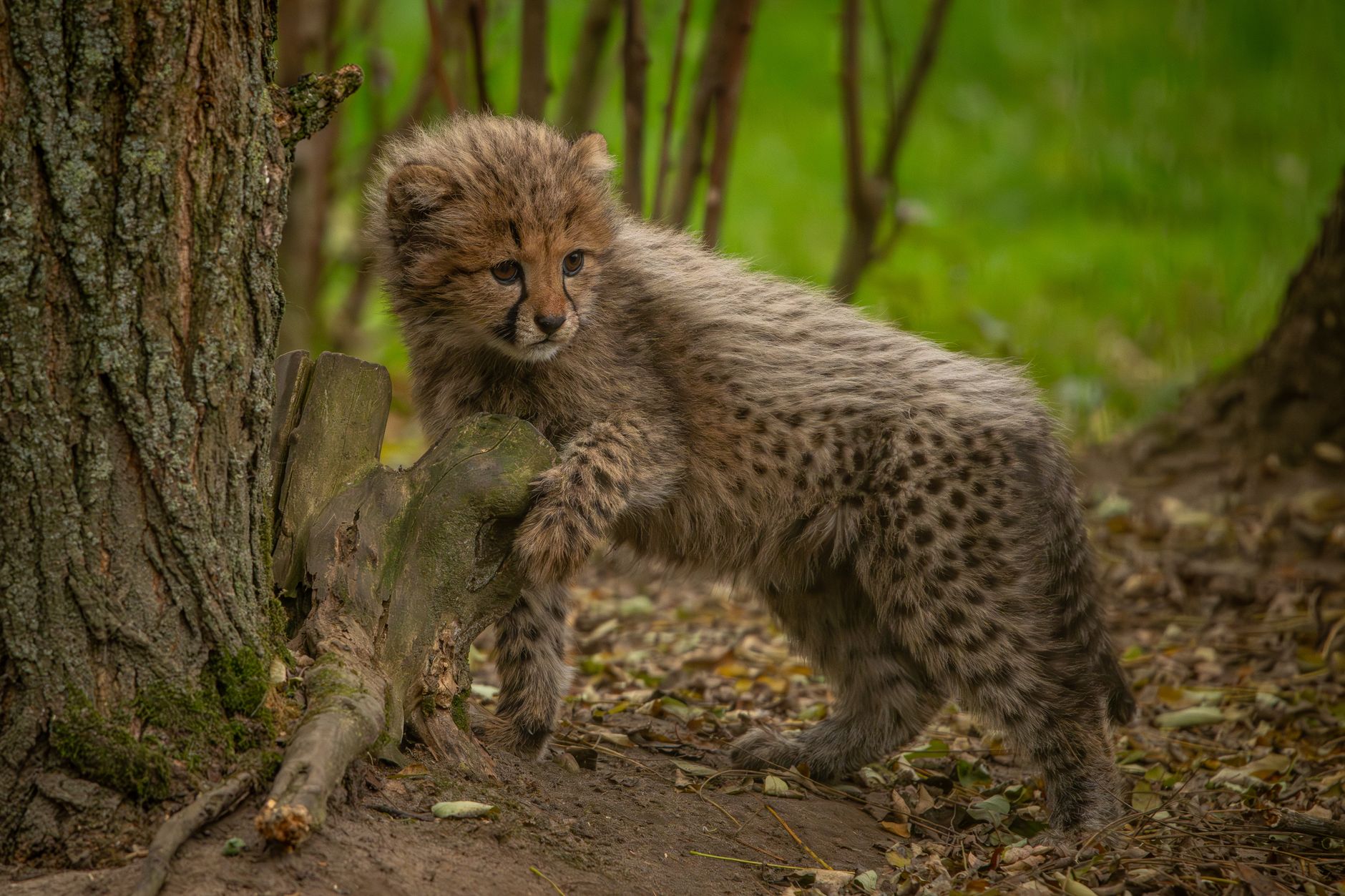
A tragic incident has unfolded within the Sheopur district of Madhya Pradesh, where a young cheetah cub, officially documented as KNG22, has died following the discovery of multiple projectile injuries. The animal was located by a wildlife monitoring team late on Sunday night within Compartment No. 748 of the Sheopur Territorial Forest Division. Following the rescue attempt, initial examinations confirmed the presence of five lead pellets embedded within the body of the deceased cub, raising immediate concerns among conservationists and forest officials regarding the circumstances of its death.
According to reports provided by local forest authorities, the cub had been under regular observation by wildlife monitors who were tracking the movement of the big cats in the region. Upon receiving intelligence that the animal had sustained injuries, a rescue mission was promptly dispatched to the forest compartment. Despite the immediate intervention by the veterinary team, the cub succumbed to its condition shortly thereafter. The recovery of the pellets suggests an external, human-related factor that potentially contributed to or caused the demise of the animal, prompting an urgent inquiry by the state forest department.
This incident occurs in the backdrop of ongoing efforts to establish a viable population of cheetahs in India, a project that has seen both significant successes and notable challenges since its inception. Kuno National Park and its surrounding buffer zones, including the Sheopur Territorial Forest Division, have been the focal point of these reintroduction efforts. The death of a young cub, which represents the future of the population, serves as a stark reminder of the complexities involved in managing wild carnivores in landscapes that intersect with human activity.
State wildlife experts and forest officials are now conducting a thorough forensic examination of the remains to determine the exact cause of death and to understand how the pellets were discharged in the vicinity of the protected animal. As per standard protocols in such cases, the investigation is expected to explore all potential angles, including accidental encounters with local poachers or potential human-wildlife conflict that may have escalated in the dense forest compartments.
The protection of these vulnerable felines remains a high-priority task for the forest department, which has deployed intensive monitoring teams to prevent such occurrences. Following the death of KNG22, the state government is likely to bolster surveillance in the Sheopur region to ensure the safety of other cubs and adult cheetahs currently residing in the habitat. Increased patrols are anticipated in the forest sections where human movement is strictly prohibited to minimize the risks of illegal activity.
Conservationists have long argued that the success of the cheetah reintroduction project depends heavily on the mitigation of risks associated with human interference. While the project has received national attention, instances of animal mortality are subjected to rigorous scrutiny to refine management strategies. The findings from this current investigation will likely influence future security protocols and the deployment of monitoring technology within the Kuno-Sheopur landscape.
As the probe continues, authorities have remained cautious about providing definitive conclusions until the final post-mortem report is submitted. The loss of a cub is considered a setback for the reintroduction program, which aims to ensure the long-term survival of the species in a natural, free-ranging environment. Further updates are expected from the Madhya Pradesh Forest Department as they piece together the sequence of events that led to the discovery of the injured animal on Sunday night.








Comments