


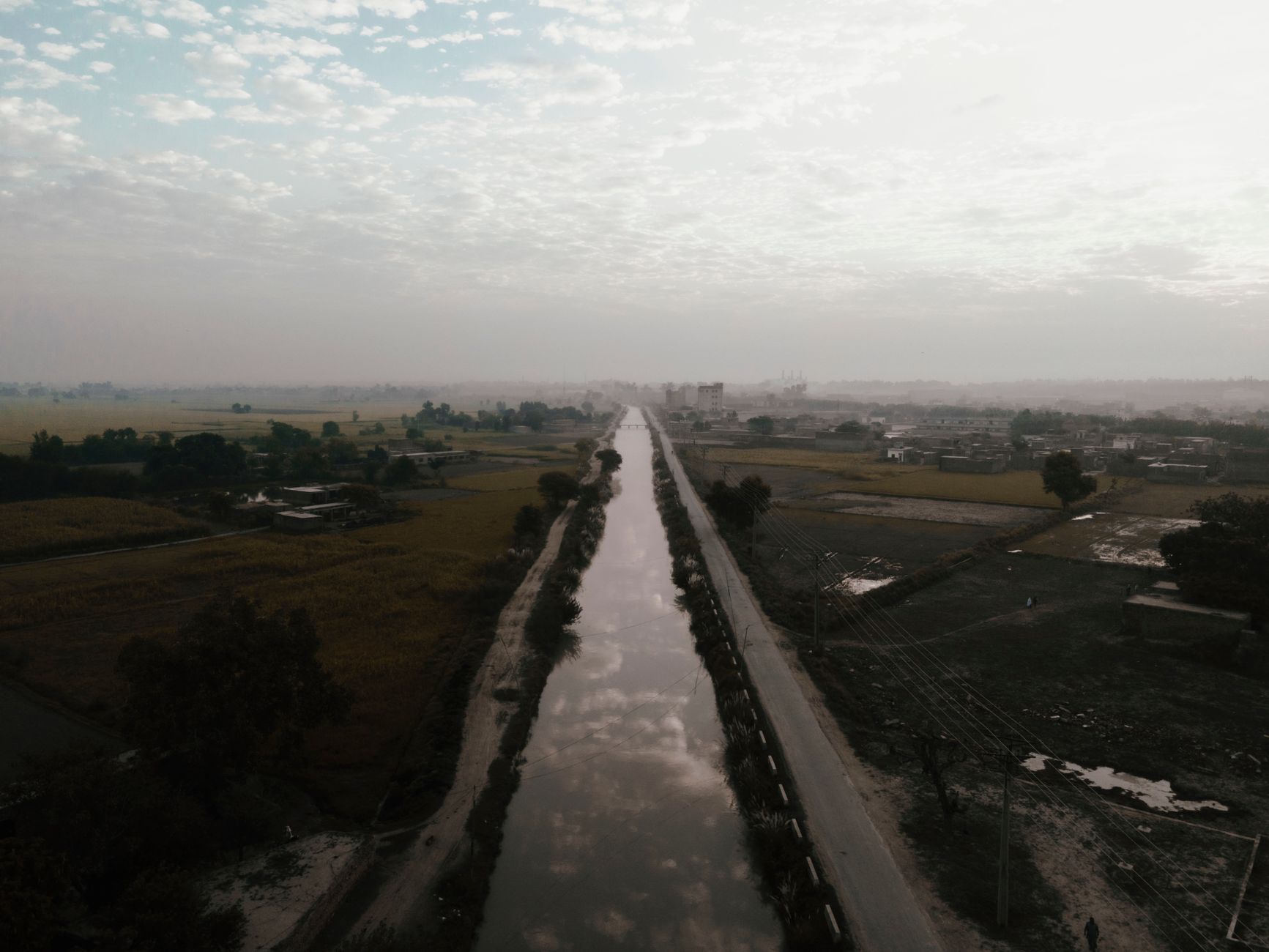
The Punjab Assembly on Tuesday passed five resolutions aimed at asserting the state's rights over its river waters and water-related infrastructure. The legislative move, which occurred in the absence of major opposition parties including the Congress, Shiromani Akali Dal, and the BJP, reflects the state government's growing contention with central administrative mechanisms, which it claims infringe upon its constitutional mandate.
The resolutions, tabled by Water Resources Minister Barinder Kumar Goyal, cover a broad spectrum of demands. These include securing a formal share of Yamuna waters, claiming pending dues from Rajasthan for water supply, and demanding the repeal of the Dam Safety Act, 2021. Furthermore, the Assembly has sought permanent administrative control over three critical irrigation headworks—Ropar, Harike, and Ferozepur—and has outlined plans to better utilize Ravi waters currently flowing into Pakistan.
Chief Minister Bhagwant Mann reiterated the state's position during the session, emphasizing that water is a state subject. He stated that the government would not allow the state’s interests to be compromised and intended to vigorously pursue what it views as its legitimate rights. Highlighting recent infrastructure progress, the Chief Minister noted that canal water access for agricultural fields has increased from 22 per cent to 80 per cent over the last four years, supported by 14,000 km of new underground pipelines.
A significant portion of the legislative effort focused on the Yamuna waters. The resolution argued that Punjab has a historical claim dating back to a 1954 agreement between undivided Punjab and Uttar Pradesh, which entitled the state to two-thirds of the water. The government pointed out that despite the river flowing through territories that were part of undivided Punjab before 1966, the state was excluded from the 1994 memorandum of understanding involving other regional stakeholders. The Assembly has called upon the Union Ministry of Jal Shakti to address a complaint filed in April 2025, threatening a move to the Supreme Court if the Centre fails to act.
Regarding the three headworks—Ropar, Harike, and Ferozepur—the resolution argued that their current management under the Bhakra Beas Management Board (BBMB) via the Punjab Reorganisation Act, 1966, is inappropriate. Because these structures are located within Punjab, the state government maintains that local control is essential for operational decisions, particularly during flood management. The House has resolved to pursue an amendment to the 1966 Act and continue its legal challenge in the Supreme Court concerning the existing administrative sections.
The demand for the repeal of the Dam Safety Act, 2021, was presented as a defense of the country's federal structure. The resolution contended that the Act grants the central government excessive control over state-owned dams, even those located entirely within a state’s borders. By rejecting the legislation, the Punjab government reiterated its stance that matters of water, irrigation, and storage remain the primary responsibility of the state, as designated under the State List of the Constitution.
As the state prepares to pursue these claims, the absence of key opposition legislators during the vote underscores the complexity of the ongoing water disputes. While the government continues to focus on both administrative and legal channels to enforce its demands, the long-term resolution of these issues remains dependent on the response from the Union government and potentially further intervention by the judiciary.








Comments