


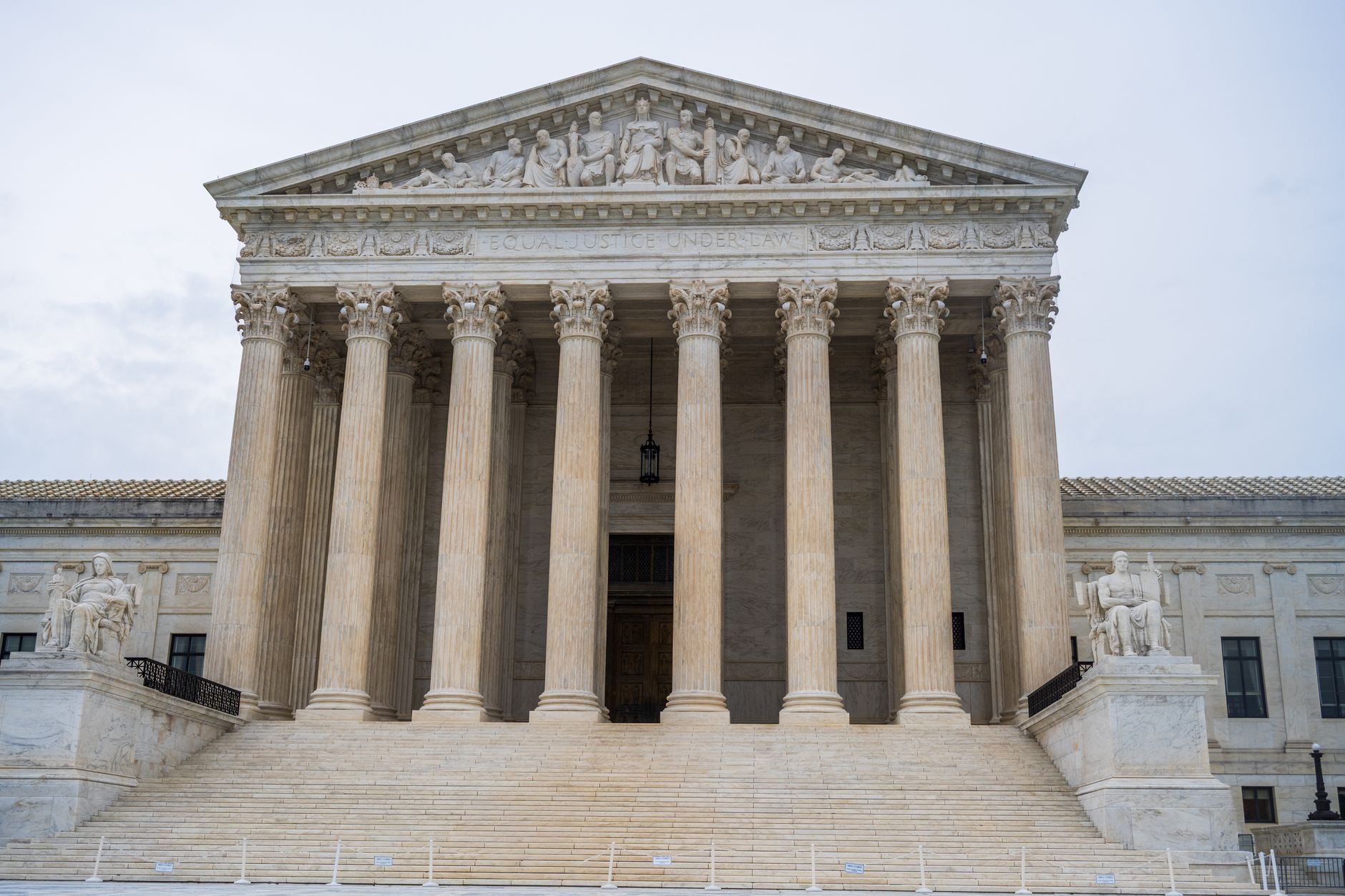
A coalition of 21 prominent news publishers has officially challenged the government’s privacy law in the Supreme Court, contending that the legislation constitutes a form of pre-censorship that poses an existential threat to investigative journalism in India. The petitioners, representing a broad spectrum of the country's media landscape, argue that the current legal framework fails to provide essential safeguards for journalists, potentially allowing the state to undermine the confidentiality of reporting and the integrity of newsroom operations.
Among the groups leading the challenge is the Digital News Publishers Association (DNPA), whose membership includes major entities such as Network18, owned by Mukesh Ambani, and Gautam Adani’s NDTV. Other significant media houses, including The Indian Express and Times Internet—the digital arm of the Times of India group—are also part of the collective filing. The publishers assert that while they received informal assurances regarding press freedom during a meeting with government officials in August, the absence of explicit, written exemptions for journalists remains a primary point of contention.
The core of the legal challenge focuses on the law's requirement for journalists to obtain consent from the individuals they are reporting on. Lawyers for the DNPA argued before the court that this condition fundamentally alters the nature of news gathering. According to the petitioners, forcing a journalist to notify subjects of an investigation would likely lead to the destruction of evidence or the intimidation of witnesses, effectively neutralising the purpose of critical investigative work.
Furthermore, the legislation grants individuals the right to withdraw consent at any time and demand the erasure of their personal data. The news publishers argue that this provision lacks necessary public-interest exceptions, which could force media organisations to redact or entirely remove factual reports that hold public significance. The DNPA maintains that such mechanisms are tailored more toward social media platforms or retail entities rather than the distinct requirements of journalistic inquiry.
The concerns extend to the potential for state overreach, as the law creates a federal authority empowered to impose fines for non-compliance and allows the government to block information in the name of public interest. Publishers have warned that the law grants New Delhi the authority to demand information from any organisation handling personal data. This, they claim, could be utilized to force newsrooms to reveal confidential sources, thereby deterring whistleblowers from coming forward with evidence of corruption, electoral malpractice, or corporate wrongdoing.
The filing describes certain aspects of the law as “nakedly unguided” and argues that these provisions threaten privileged communications between reporters and their informants. In a hearing held on Tuesday, the legal counsel for the DNPA stressed that the current regulatory path could force newsrooms to shutter operations rather than comply with a regime of state-sanctioned censorship.
The Supreme Court has acknowledged the petition and confirmed that it will hear the case in the coming month. The outcome of this litigation is being closely watched by industry stakeholders, as it will likely determine the balance between individual data privacy rights and the institutional freedom of the press in the digital age. For now, the media sector awaits judicial intervention, maintaining that without specific carve-outs, the legislation as written is incompatible with the operational needs of an independent press.








Comments