


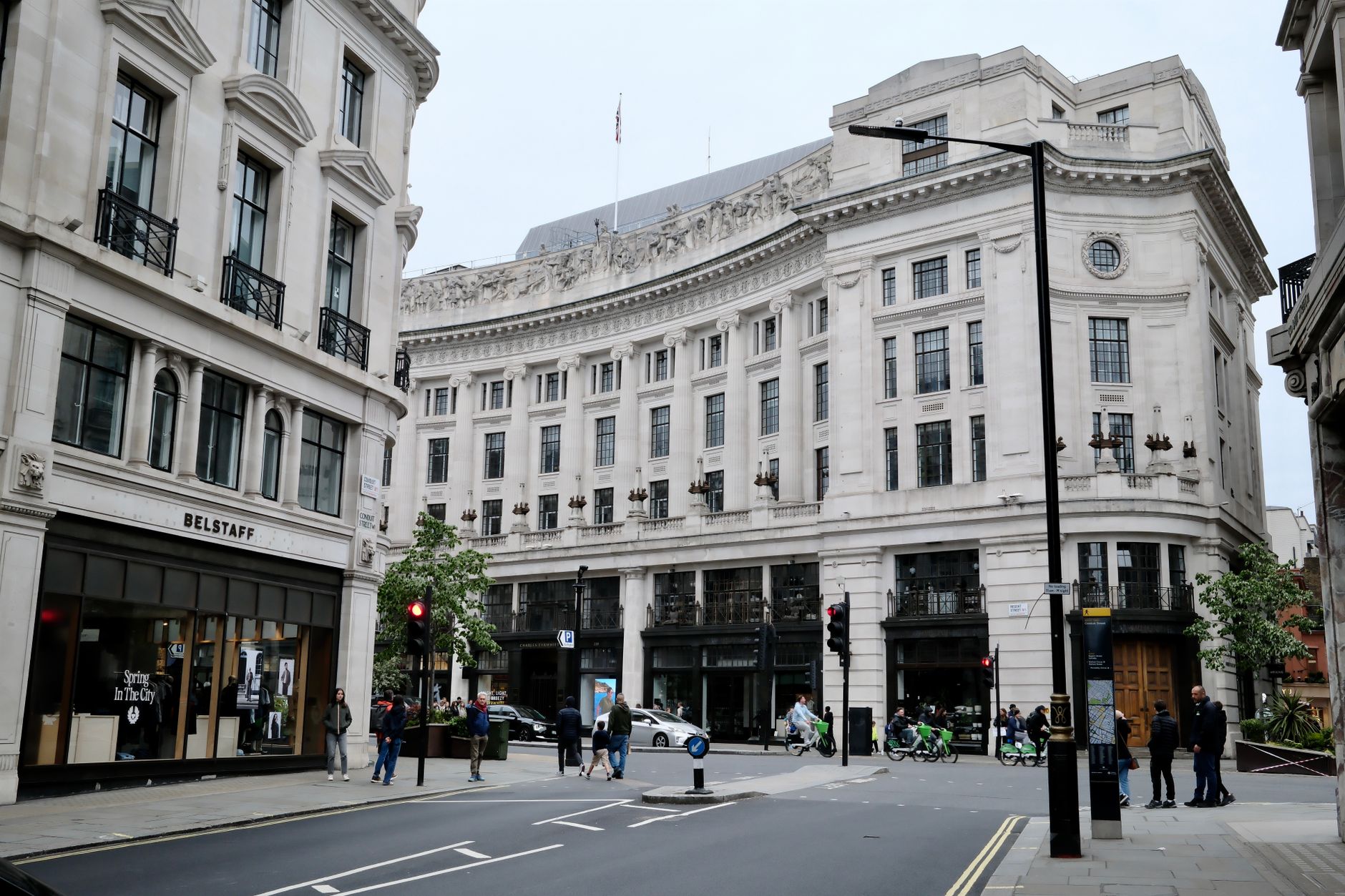
London’s iconic Oxford Street has officially transitioned into a vehicle-free zone, marking the first phase of a major regeneration project intended to transform one of the world's most famous shopping thoroughfares. On Monday, the road between Great Portland Street and Orchard Street was closed to all cars, buses, and black cabs, allowing pedestrians to reclaim the space previously dominated by heavy traffic.
For many, the change offers a refreshing shift. Muneera Alfadhel, a local biology teacher, described the experience as “magical,” noting that the pedestrianisation provides a cleaner, more accessible environment for shoppers. Mark Arbouine, a forensic scientist, echoed this sentiment, suggesting that the absence of vehicles makes the street significantly easier to navigate and more environmentally friendly.
The economic stakes for the 1km stretch are high, as it currently contributes approximately 1 percent of the United Kingdom’s annual gross domestic product. However, the area has faced significant challenges in recent years, including falling rents and a decline in footfall, which currently sits at only 57 percent of 2006 levels. City Hall officials are optimistic that the pedestrianisation will serve as a vital lifeline, with analysis suggesting the project could generate more than $109 million annually and support roughly 700 new jobs.
The current changes are part of a broader, multi-phase plan to enhance the area, with future developments set to include two new public squares, the planting of 50 trees, and the installation of hundreds of public seats. Barbara Stoll, a campaigner advocating for greener, more walkable urban spaces, praised the move, noting that the reduction in traffic noise and improved air quality are already transforming the atmosphere of the district.
Despite the optimism from officials and some visitors, the project has not been without controversy. Earlier plans, first proposed by Mayor Sadiq Khan in 2017, were halted in 2018 after the local Westminster Council withdrew its support, citing resident opposition. To move forward with the current vision, the Greater London Authority took control of the street’s development from local officials, transferring responsibility to the newly created Oxford Street Development Corporation.
Local authorities remain critical of the process. Councillor Tim Barnes, deputy leader of the City of Westminster, argued that while communication has occurred, it has been largely one-sided. Concerns persist regarding the displacement of bus routes into smaller surrounding streets, with some residents expressing fears that the changes will make the West End “unliveable” and overly noisy at night. Additionally, some shoppers have voiced concern for individuals with mobility issues who may rely on bus access.
Proponents of the project maintain that the long-term benefits will be clear as the initiative progresses. Data from a weekend trial in 2025 indicated that two-thirds of local businesses saw either similar or increased sales during the period. The Oxford Street Development Corporation intends to monitor the impact of the changes closely, with plans to review findings early next year. The full transition of the remaining sections of the street into a permanent, traffic-free public space is expected to be completed by the end of next year.








Comments