


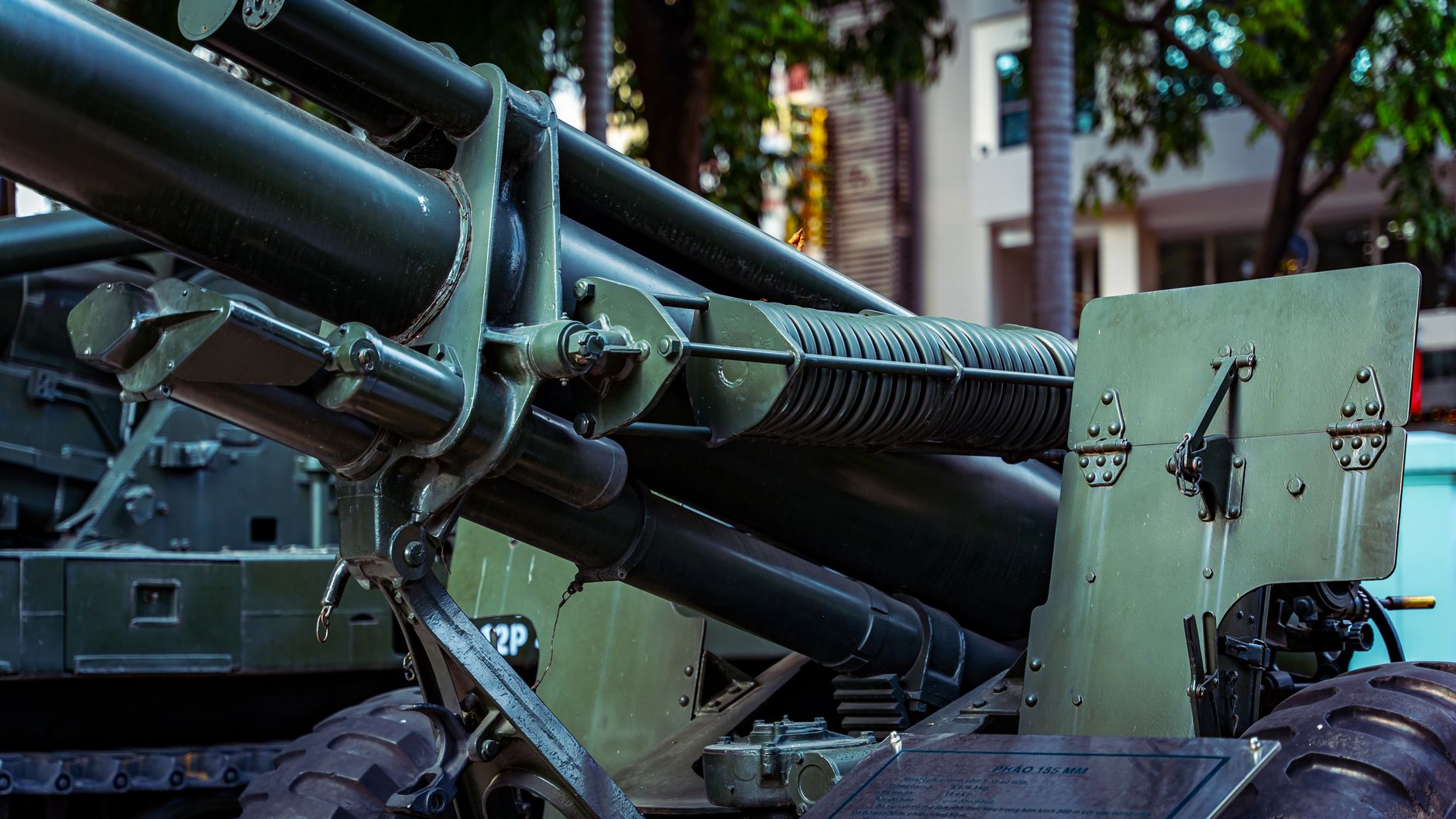
Recent intelligence reports have confirmed the movement of North Korean artillery assets, specifically howitzer guns, toward the border shared with South Korea. The deployment, which has been monitored by regional security analysts, marks a significant shift in military posturing along the Demilitarized Zone. The repositioning of these heavy weapons systems has drawn immediate concern from Seoul, as both nations navigate a period of elevated friction.
This latest development follows a series of troubling incidents that have strained cross-border relations. In September, a landmine explosion occurred within the southern territory, resulting in injuries to three South Korean soldiers. While authorities are still investigating the precise circumstances surrounding the blast, the incident served as a catalyst for increased military alertness across the peninsula. The subsequent movement of artillery units near the front line is being viewed by defense observers as a response to these preceding security challenges.
The strategic importance of this sector of the border cannot be overstated. Artillery pieces, such as the howitzers identified in the recent sightings, are capable of striking critical infrastructure and populated areas should conflict erupt. For decades, the border between the two Koreas has remained the most heavily armed frontier in the world, with both sides maintaining substantial defensive and offensive capabilities aimed at preventing incursions or responding to perceived threats.
Government officials in South Korea have not yet issued a comprehensive formal statement regarding the specific tactical implications of this artillery movement, but security protocols have been enhanced. Intelligence agencies are currently evaluating the scale and composition of the North Korean military presence in the area to determine if this represents a permanent change in deployment or a temporary exercise. The presence of such hardware close to the border naturally complicates existing diplomatic efforts aimed at de-escalation.
International observers and regional powers are keeping a close watch on the situation, mindful of the potential for miscalculation. In the past, the rapid repositioning of artillery has often preceded heightened rhetoric or show-of-force maneuvers. Analysts suggest that the combination of the September landmine incident and the current artillery deployment points to a volatile environment where small-scale tactical friction could quickly spiral into broader security concerns.
As of now, the situation remains fluid. Military command centers in Seoul are reportedly utilizing advanced surveillance technology to track the location and status of the artillery batteries. There has been no immediate confirmation of cross-border firing, and the current state of alert is focused on defensive preparedness. However, the proximity of these weapons to the border serves as a stark reminder of the fragile nature of the current armistice.
Moving forward, the primary concern for the international community is the preservation of stability on the Korean Peninsula. Any increase in heavy weaponry along the border limits the space for diplomatic dialogue and increases the likelihood of accidental encounters. Security experts continue to stress the need for direct communication channels to prevent the current tension from evolving into a more serious confrontation. Authorities remain on high alert as they assess how these military movements might influence future policy decisions and the security architecture of the region.








Comments