


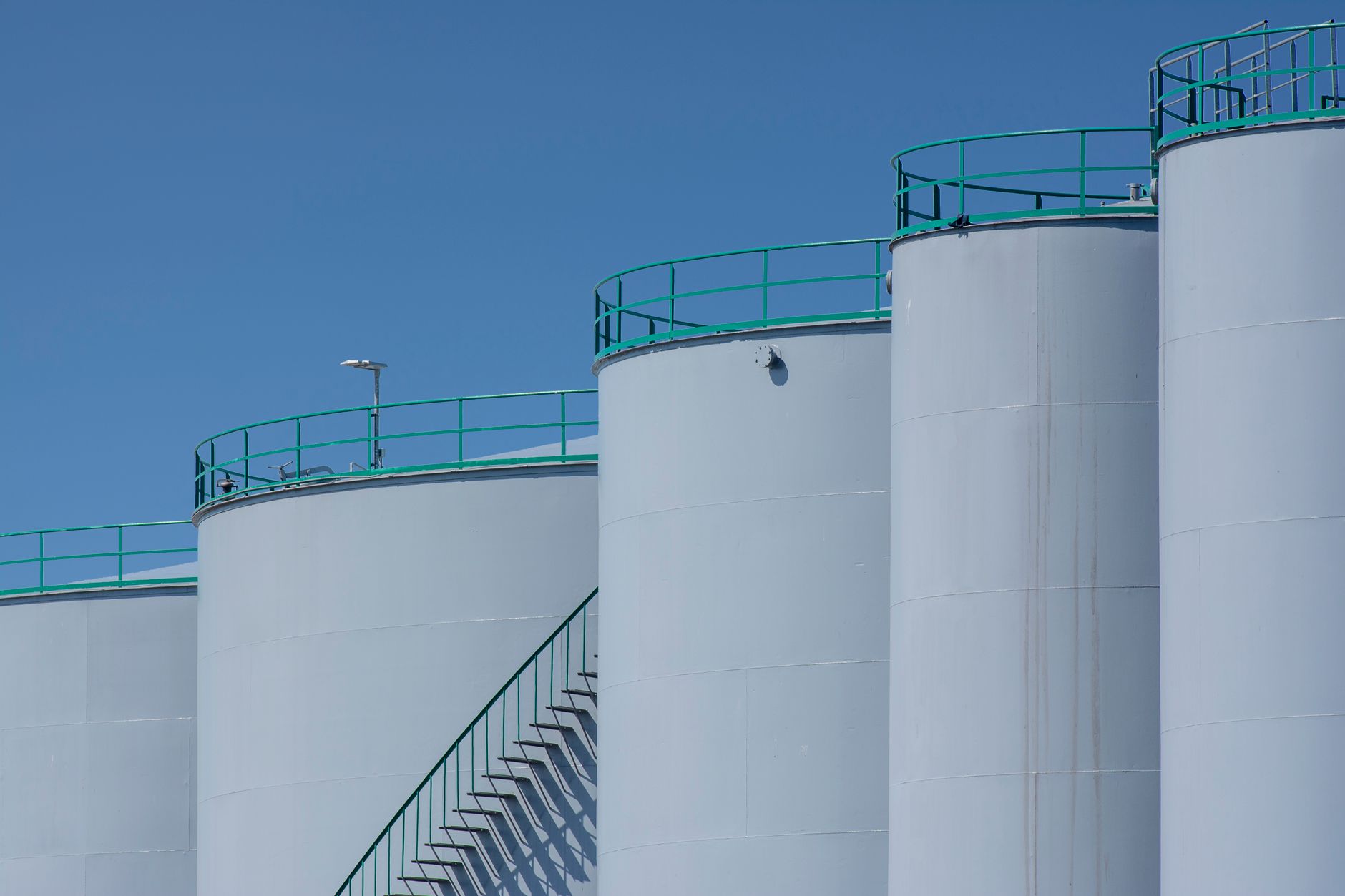
Oil prices experienced a marginal decline on Tuesday, reflecting a cautious market reaction to emerging diplomatic efforts aimed at stabilizing the Middle East. Brent crude futures slipped by 66 cents, or 0.57%, to settle at $115.15 a barrel by 0000 GMT. Simultaneously, the US West Texas Intermediate crude also saw a downward adjustment, dropping 44 cents, or 0.43%, to reach $101.32 per barrel. This slight cooling in prices follows a period of heightened market anxiety that recently pushed benchmark indices to their highest levels in six months.
The shift in market sentiment follows diplomatic engagements in Tehran on Monday, where representatives from Saudi Arabia, Turkey, and Pakistan met with Iranian officials. According to statements from the Saudi side, the primary objective of these discussions was to establish open channels of communication to prevent a return to military escalation in the region. Iranian state media reported that all four participating nations have expressed a commitment to continue these talks, with a focus on strengthening cooperation regarding regional peace and security.
While the prospect of a diplomatic resolution has provided some temporary relief by easing fears of immediate supply disruptions, market analysts suggest that the potential for long-term stability remains fragile. Losses were strictly limited, and upward pressure on prices persists due to ongoing hostilities. Specifically, renewed attacks by Iran-aligned Houthi forces targeting Saudi Arabia’s infrastructure continue to cast doubt on the viability of a sustained peace process. These incidents serve as a reminder that the geopolitical landscape remains highly volatile despite the recent talks.
The current instability is acutely felt in the maritime corridors surrounding the Arabian Peninsula, particularly the Strait of Hormuz. The waterway is a critical artery for global energy, accounting for roughly one-fifth of the world’s energy supplies before the conflict escalated in February. Data compiled by a Washington-based think tank, which has been monitoring maritime security incidents since 2017, indicates that October has been the most intense month for attacks on commercial shipping vessels navigating the strait and its nearby waterways.
Market participants remain on edge following a series of Iranian attacks on tankers near the strait, which drove Brent crude prices to cross the $117 per barrel threshold last week—a level not seen since April. The benchmark returned to this peak on Monday, underscoring how quickly energy markets react to news of physical threats to supply chains. The region continues to serve as the epicenter of turmoil, keeping global energy traders in a state of high alert as they weigh the success of diplomacy against the reality of active conflict.
In other developments within the energy sector, industrial activities are adjusting to the shifting supply environment. Industry sources close to the matter have confirmed that Russian refiners are increasing their production of diesel throughout October. This rise in output follows a decision by the Russian government to grant new export quotas, which were facilitated by a supply agreement reached between the Kremlin and the United States. This move is being closely watched by market observers as it could potentially influence global diesel availability even as crude oil markets grapple with the uncertainty in the Middle East.
Moving forward, the energy market will likely remain highly sensitive to further updates from the ongoing diplomatic dialogue in Tehran and any changes in the security situation in the Strait of Hormuz. Investors are maintaining a wait-and-see approach, balancing the potential for de-escalation against the persistent risks posed by regional conflict. The outcome of these efforts will be pivotal in determining whether oil prices stabilize or continue their climb toward previous seasonal highs, as the world remains heavily reliant on the secure passage of energy through these contested waters.








Comments