


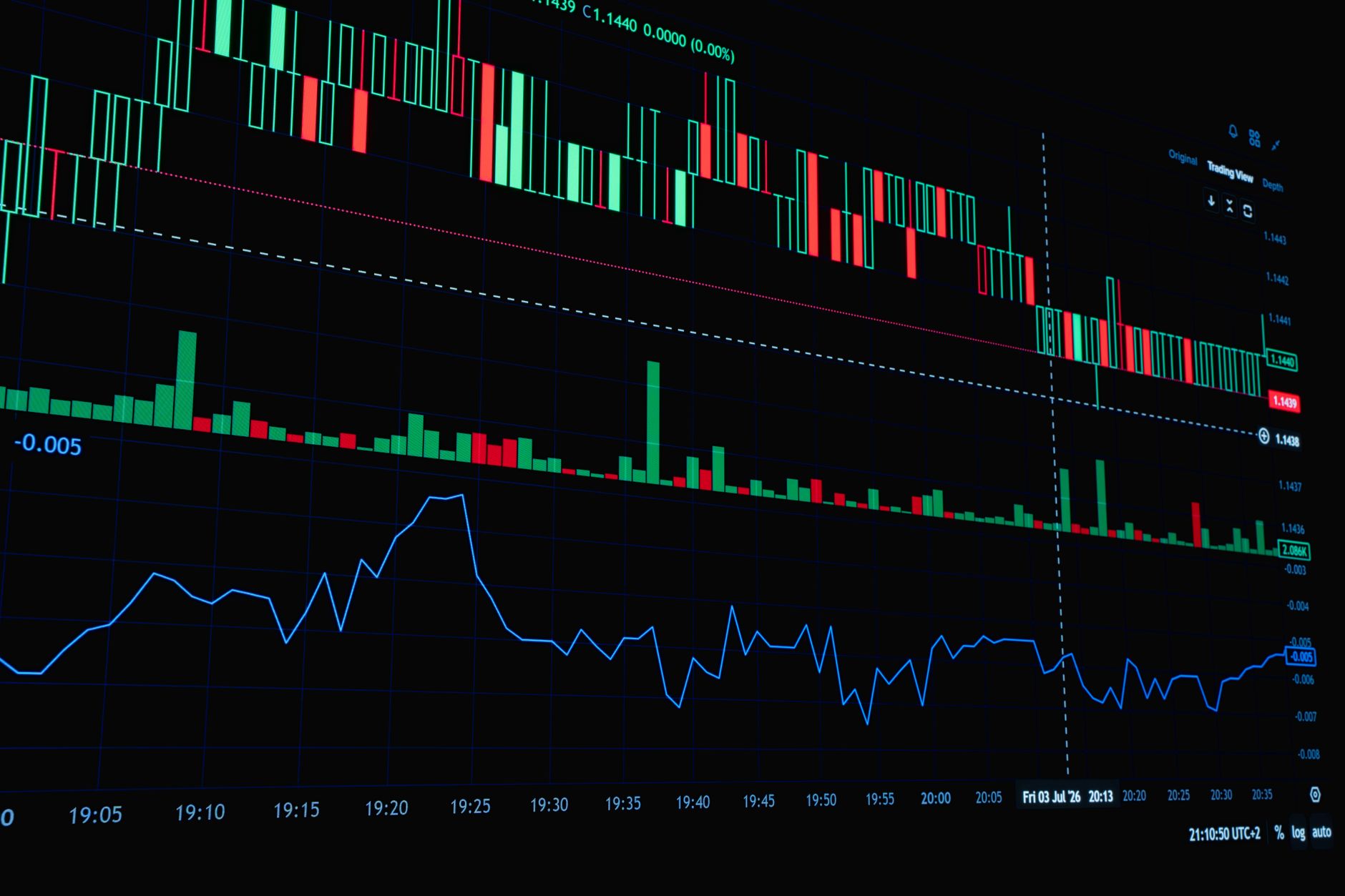
Indian equity markets experienced a notable recovery on Monday, effectively ending a four-session slide that had weighed on investor sentiment. The benchmark NSE Nifty 50 index climbed 153 points, reflecting a 0.68% gain, to settle at 22,753. Market analysts suggest that this movement is significant for technical momentum. According to Pabitro Mukherjee, Deputy Vice President–Research at Bajaj Broking, a sustained climb above the 20-day exponential moving average, positioned at 22,820, could potentially pave the way for a further rally toward the 23,100 to 23,200 resistance band. Conversely, should the index fail to breach the 22,820 mark, markets may continue to witness the consolidation observed over the previous two sessions, trading within the 22,370 to 22,820 range.
Against this volatile backdrop, market participants are keeping a close watch on Tuesday, October 27, as several major entities release their September-quarter financial performances. Investors are currently navigating a complex mix of fundraising announcements, credit rating updates, and varying profit margins reported by large-cap and mid-cap firms. Defence-related stocks are also expected to see heightened activity after the Defence Acquisition Council recently granted Acceptance of Necessity to capital acquisition proposals valued at approximately Rs 2.12 lakh crore. The Ministry of Defence confirmed that 82% of these procurements will be sourced from the domestic industry, marking a strategic push toward indigenous defence modernisation.
The earnings season has revealed divergent paths for major companies. Fintech giant Paytm reported a substantial 976% year-on-year increase in consolidated net profit, reaching Rs 226 crore for the second quarter of the current fiscal year. Similarly, Tata Consumer Products saw its consolidated net profit rise by 16% to Rs 470 crore, supported by a 14% growth in revenue. In contrast, Dalmia Bharat posted a net loss of Rs 205 crore for the same period, primarily due to a one-time exceptional charge of Rs 339 crore, even as its revenue saw a modest uptick. The company has announced an interim dividend of Rs 4 per share.
The banking sector also posted mixed yet largely positive indicators. The Bank of Maharashtra recorded a significant 41.5% year-on-year rise in net profit to Rs 2,310 crore, while Tamilnad Mercantile Bank achieved its highest-ever quarterly profit of Rs 451 crore, a 42% increase from the previous year. Meanwhile, REC reported a 21.2% decline in net profit to Rs 3,478 crore, alongside a fall in net interest income. The firm has declared a second interim dividend of Rs 3.50 per share.
Several other firms provided updates regarding expansion and capital allocation. DCM Shriram, which saw its net profit decline by over 34%, outlined plans to invest in solar power, electrolysis, and cement plant machinery. Sona BLW Precision Forgings and Brigade Hotel Ventures both reported healthy profit growth, highlighting strength in their respective sectors. Additionally, WeWork India Management saw its revenue and profit after tax margins expand on a quarterly basis.
Regulatory and infrastructure-related developments are also influencing market activity. Highway Infrastructure secured a contract worth Rs 91.78 crore from the National Highways Authority of India for operations at the Baiti Kala Fee Plaza in Uttar Pradesh. Furthermore, New Delhi Television Limited has proposed raising Rs 800 crore through the issuance of non-convertible perpetual debentures. As the market digests these developments, investors will continue to scrutinize upcoming regulatory disclosures and earnings reports to gauge the broader economic trajectory through the remainder of the quarter.








Comments