


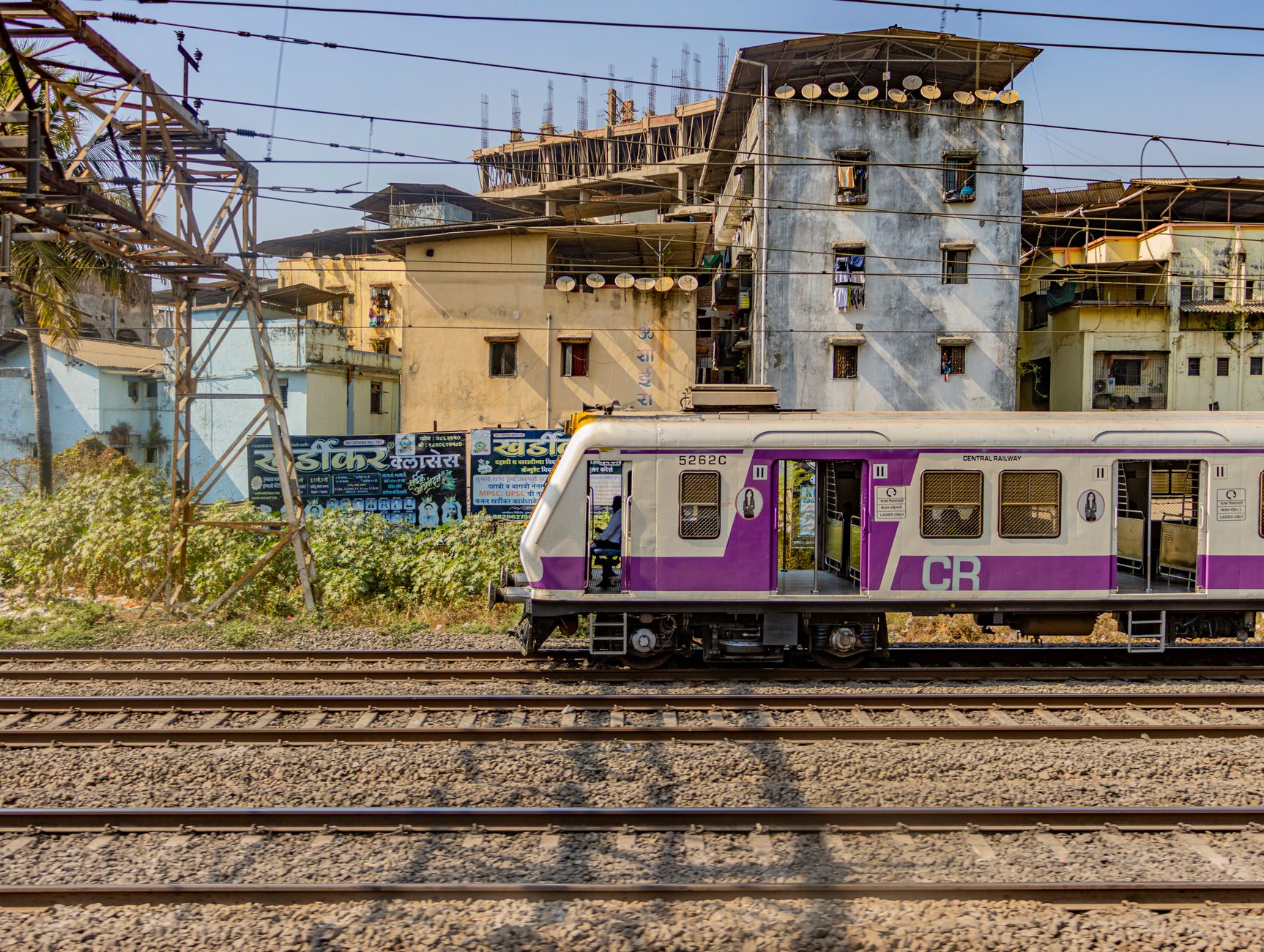
Mumbai’s suburban railway network witnessed a series of fatal accidents on Monday, October 26, as technical snags brought train services to a standstill on the Central Railway main line. The disruption, which affected movement between Chhatrapati Shivaji Maharaj Terminus (CSMT) and Kalyan, forced a significant number of commuters to deboard stranded trains and walk along the railway tracks to reach nearby stations. Amid this chaotic environment, three people lost their lives in separate incidents.
The first tragedy occurred at approximately 5:30 pm at Bhandup railway station. A 21-year-old man, identified as Sahil Thite, a resident of Mulund, was struck by an air-conditioned local train. According to reports, Thite was attempting to cross the tracks from platform 4 to platform 2 in order to board an AC local service stationed near platform 3 when the accident took place. He was immediately rushed to Agarwal Hospital by railway authorities; however, doctors declared him dead upon arrival. The Kurla Government Railway Police (GRP) has registered an accidental death report regarding the incident.
A few hours later, at around 9:30 pm, the situation turned grimmer when motormen operating on the line discovered the bodies of two individuals lying on the tracks between Ghatkopar and Vikhroli stations. While the identities of these two deceased persons remain unconfirmed, their bodies have been shifted to Rajawadi Hospital for further medical and legal procedures. The GRP noted that the exact circumstances surrounding these deaths are currently under investigation, as the connection between these specific fatalities and the ongoing track-walking prompted by the service delays remains a focal point of concern.
The day’s disruptions were attributed to technical malfunctions at two distinct locations along the main line. These failures resulted in significant delays, leaving many passengers trapped in carriages for extended periods. The resulting frustration led to commuters taking the dangerous step of exiting trains to walk to the next station, a practice that has long been a subject of safety concern for the city's overburdened rail network. The incidents have reignited the debate surrounding safety protocols and the intense pressure placed on the suburban rail infrastructure.
Ananda Patil, an executive of the Marathi Ekikaran Samiti and a vocal railway activist, expressed sharp criticism regarding the state of the suburban services. He highlighted that daily operational delays, often stretching between 15 to 20 minutes, frequently result in extreme overcrowding, which he described as passengers being forced to travel in unsafe conditions. Patil argued that the authorities must cease viewing commuters as mere statistics and instead take immediate, concrete action to address the systemic dangers within the network.
Following the loss of life, there have been renewed calls for the Railways to implement better safeguards for those navigating the suburban system. Among these suggestions, activist groups have pointed to the need for comprehensive accident insurance coverage for all suburban rail commuters. As the GRP continues its inquiry into the three deaths, the incidents serve as a stark reminder of the risks associated with track crossings during periods of rail instability. The authorities are expected to review the circumstances of these deaths as they evaluate the impact of the technical failures on passenger safety.







Comments