


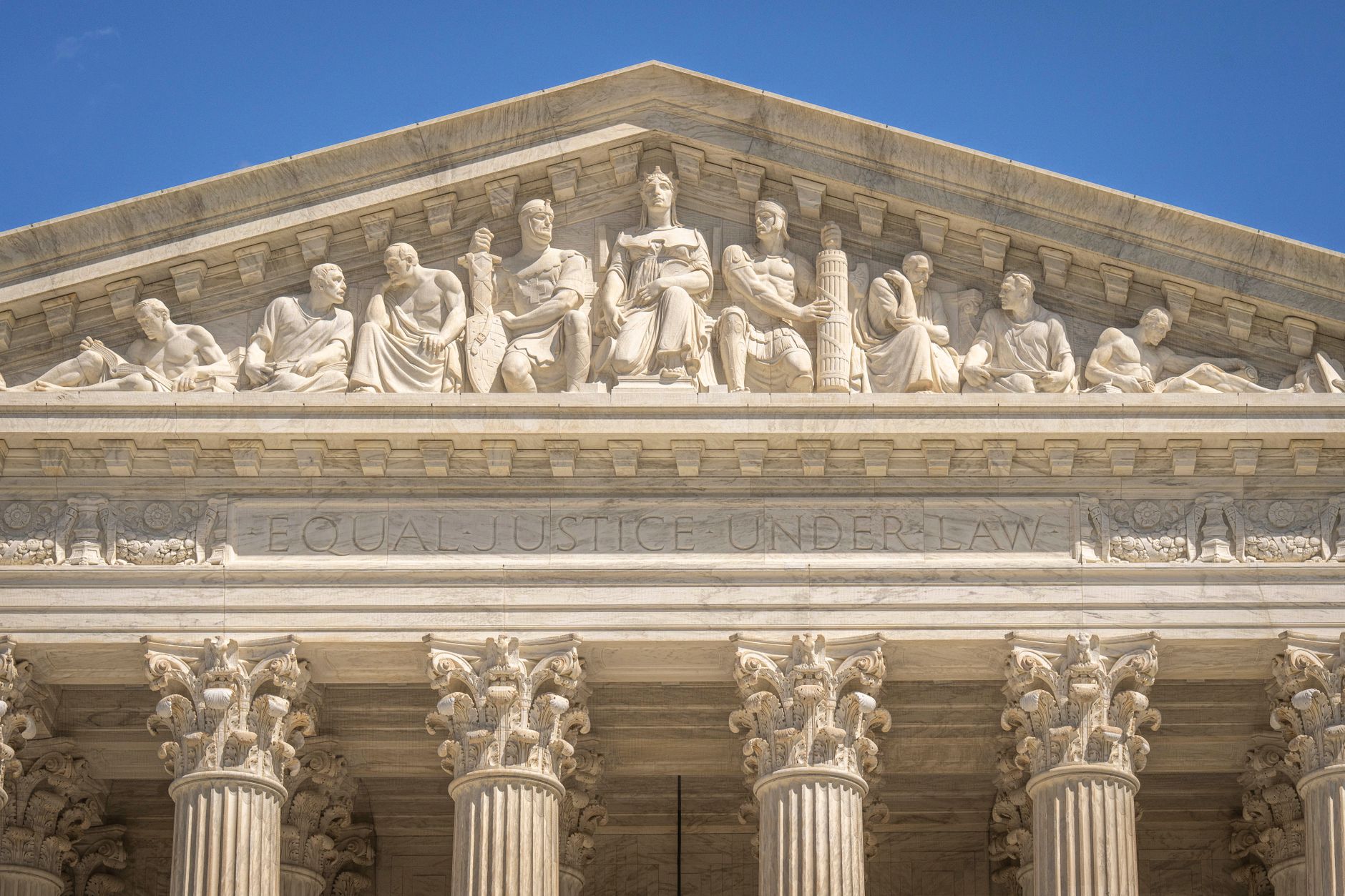
The Supreme Court of India provided verbal assurances on Monday that citizens using Form 6 to restore their names in electoral rolls will not face prosecution for false declarations. The clarification comes amidst growing concerns over the procedure required for voters whose names were recently excluded from draft electoral rolls. The bench, led by Chief Justice of India Surya Kant and comprising Justices Joymalya Bagchi and V. Mohan, addressed the apprehension that filing Form 6—which is technically designed for first-time voters—could be interpreted as a false declaration by existing electors seeking re-inclusion.
The court’s observation followed a Public Interest Litigation (PIL) challenging the large-scale exclusion of names from the draft electoral roll in Maharashtra. Senior advocate Aravind Datar, representing the petitioners, highlighted that nearly two crore voters in Maharashtra had been excluded from the draft list, with approximately 1.22 crore removals attributed to alleged logical discrepancies. Datar argued that many voters, some of whom have participated in multiple past elections, were being removed on what he described as "flimsy and non-existent grounds."
During the proceedings, Datar pointed out the systemic difficulty faced by these citizens, noting that the deadline for filing claims and objections was set for October 26. He expressed concern that those removed from the list would have insufficient time to navigate the current re-inclusion process. In response to the argument that using a form meant for "fresh voters" could invite legal trouble, Chief Justice Surya Kant firmly stated, "No one will be prosecuted for filling Form 6 seeking re-entering of their names in voter lists."
The issue of electoral roll exclusions is not confined to Maharashtra. Earlier, advocate Prashant Bhushan had raised similar concerns regarding a directive from the Election Commission (EC) in Delhi, where voters whose names were removed during a specific exercise were also instructed to use Form 6 for restoration. These recurring issues have prompted the Supreme Court to closely monitor the Election Commission's processes as the November 6 deadline for publishing the final electoral roll approaches.
Addressing the potential for further exclusion, the Supreme Court bench indicated a willingness to accommodate affected individuals. The judges observed that if it is determined that genuine voters remain excluded from the final electoral roll, the court could mandate an extension, allowing them additional time to submit the necessary documentation to restore their names. The bench emphasized that the primary goal is to ensure no eligible voter is disenfranchised by the administrative process.
The court has directed the Election Commission to file a formal response to the PIL by November 5. The bench stated that it would examine the situation on that date to determine whether an extension of the deadline is necessary for those seeking the inclusion of their names. By keeping the legal path open, the Supreme Court aims to balance the integrity of the electoral rolls with the fundamental right of every genuine citizen to participate in the democratic process.
As the legal scrutiny continues, stakeholders are awaiting the Election Commission’s response, which will play a critical role in shaping the final electoral roll. The court's proactive approach signals a move to resolve the administrative gridlock that has left millions of voters in a state of uncertainty regarding their registration status.







Comments