


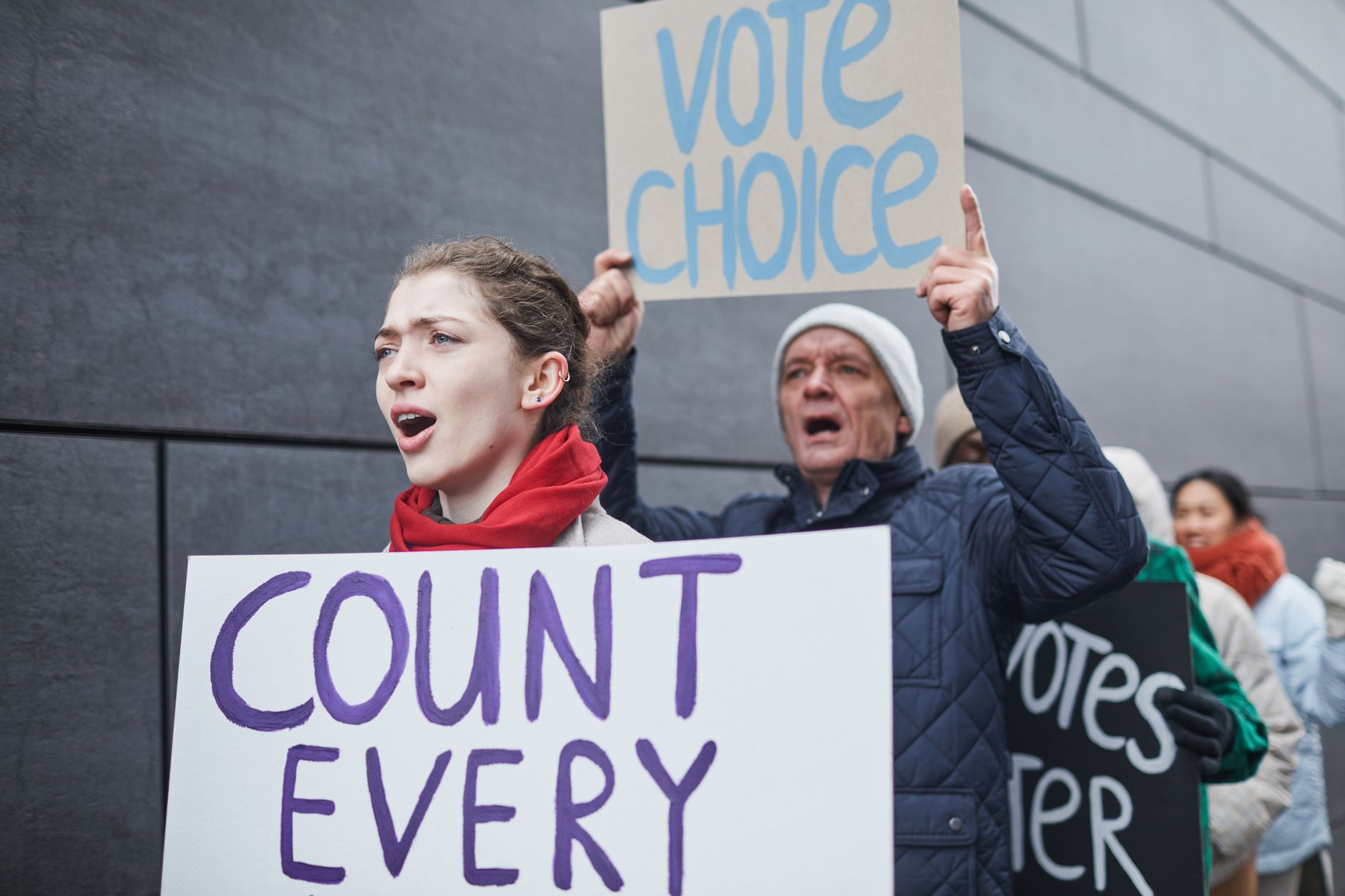
Protests erupted across Jammu on Monday following remarks made by National Conference (NC) president Farooq Abdullah regarding Pakistan. During an address in Baramulla, Mr. Abdullah suggested that Pakistan is currently protecting Kashmiris, a statement that has triggered sharp criticism from political opponents and various civic groups. Demonstrators took to the streets in Jammu to express their dissent, with several incidents involving the burning of effigies of the former Chief Minister.
The scale of the reaction was significant, with groups such as the Rashtriya Bajrang Dal, the Vishwa Hindu Parishad (VHP), the Bharatiya Janata Yuva Morcha (BJYM), the Dogra Front, and the National Anti-Terrorism Front (NATF) participating in marches and protests. Slogans were raised against the NC leader, reflecting a growing divide over his assessment of the role of the neighbouring country in the context of the Kashmir issue.
The Bharatiya Janata Party (BJP) led the political charge against Mr. Abdullah. Rajya Sabha MP Sat Sharma demanded that the former Chief Minister offer an apology to the entire nation, specifically referencing the country's 140 crore citizens. He further suggested that if Mr. Abdullah found it difficult to offer such an apology, he should consider moving to Pakistan. Similar sentiments were echoed by BJP MLA Vikram Randhawa, who labelled the comments as anti-national and argued that they should not be treated lightly, given Pakistan’s history of involvement in regional unrest.
Further condemnation came from the former BJP president of Jammu and Kashmir, Ravinder Raina, who questioned the premise of Mr. Abdullah’s claim. He challenged the characterisation of Pakistan as a well-wisher, citing India’s consistent position on cross-border terrorism. BJP leader Shakti Raj Parihar went a step further, calling for the registration of an FIR on sedition charges and demanding the arrest of the NC leader.
Legal repercussions were also initiated by other organisations. Panun Kashmir and the Jammu State People's Movement (JSPM) have lodged a criminal complaint at the Channi Police Station. Panun Kashmir chairman Tito Ganju and JSPM chairman Col. Ajay Raina challenged the substance of the remarks, questioning the basis of the claim regarding who is being protected and from what. Meanwhile, the Jammu State Movement (JSM) held an emergency meeting and appealed to Prime Minister Narendra Modi and Home Minister Amit Shah to order a fair, independent, and time-bound investigation into the matter. They further suggested that authorities examine whether actions under the National Security Act (NSA) are warranted.
Congress leader Ravinder Sharma weighed in on the controversy by reiterating that Jammu and Kashmir is an integral part of India. Referring to the Shimla Agreement, he emphasised that bilateral issues should be resolved through direct engagement, stating that Pakistan has no standing to raise the Kashmir issue. While he noted the party's own focus on the restoration of statehood for Jammu and Kashmir, he acknowledged the ongoing debate surrounding Mr. Abdullah's comments.
The National Anti-Terrorism Front, through its national chairman Vishal Chopra, criticised the timing and nature of the comments, stating that a leader with Mr. Abdullah’s political history and experience as a former Chief Minister should be mindful of the responsibilities attached to a public position. Similarly, the Suheldev Bharatiya Samaj Party (SBSP) in Jammu and Kashmir, represented by state president Vivek Bali, urged that any public discourse on national security and sovereignty must remain within the bounds of constitutional responsibilities. As the political temperature rises, these organisations have collectively called for increased scrutiny and potential legal reviews regarding the impact of such rhetoric on the region's integrity.








Comments