


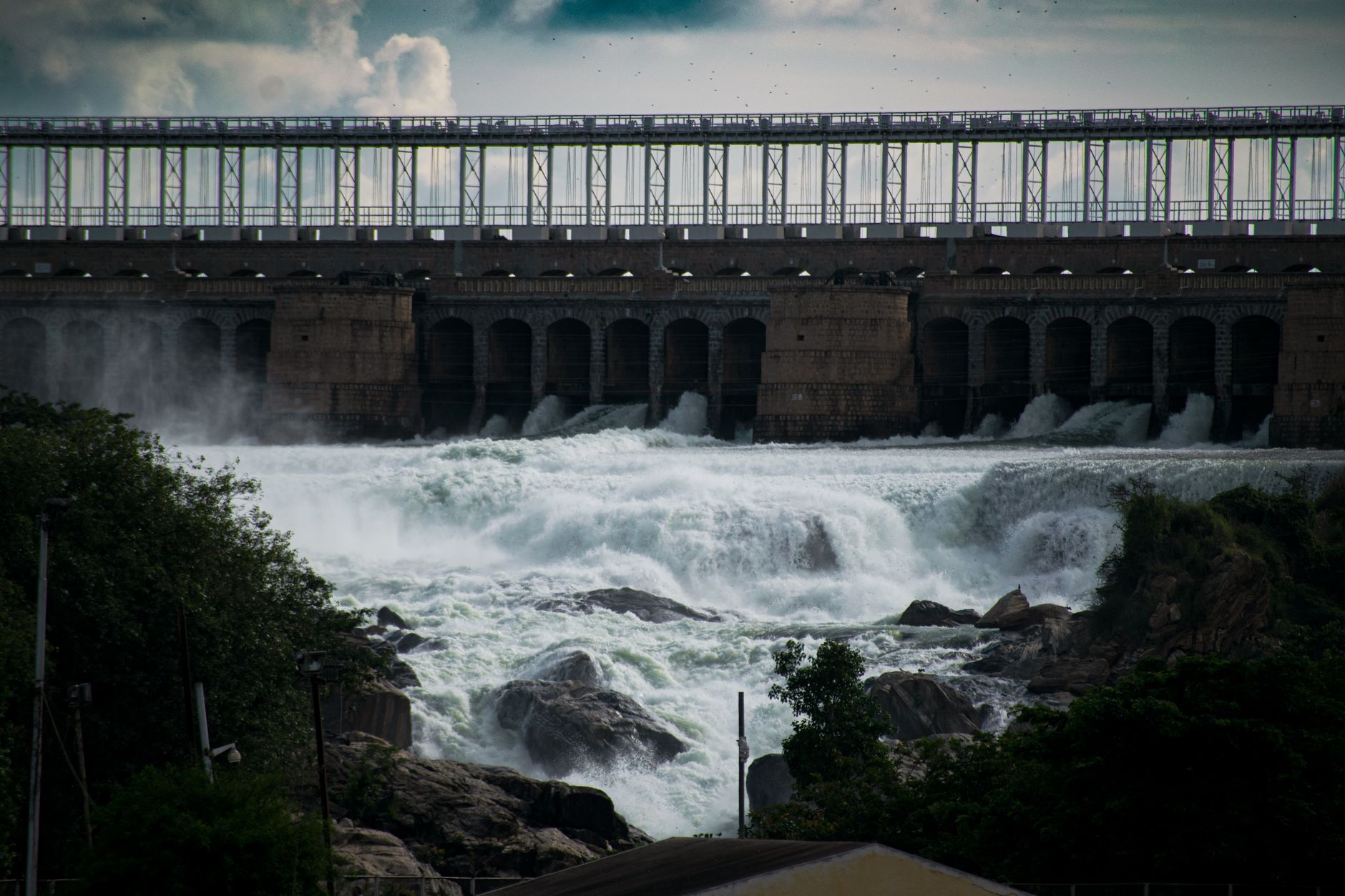
Maharashtra Chief Minister Devendra Fadnavis has signaled a cooperative stance toward Telangana’s proposal to raise the height of the Tummidihatti Barrage across the Pranahita River. The project, which has been the subject of inter-state negotiations for several years, aims to increase the height from 148 metres to 152 metres. The discussion took place during a meeting at the Sahyadri State Guest House in Mumbai, attended by a Telangana delegation led by Chief Minister A. Revanth Reddy, along with Irrigation Minister Uttam Kumar Reddy and senior officials from both state administrations.
The proposal seeks to enhance irrigation capabilities for the erstwhile Adilabad district. During the deliberations, the Telangana delegation highlighted that the currently agreed height of 148 metres does not adequately address the region's long-standing water needs. According to Irrigation Minister Uttam Kumar Reddy, raising the barrage to 152 metres would significantly improve water conveyance through gravity. This adjustment is expected to reduce the state's reliance on high-energy pumping systems, thereby lowering operational costs and improving the long-term sustainability of the irrigation project for tribal and Adivasi communities in the area.
Chief Minister Fadnavis expressed a positive outlook on the request, stating that Maharashtra is willing to support Telangana's water requirements. However, he emphasized that this support remains conditional on the project not causing adverse impacts on Maharashtra or its citizens. The Maharashtra Chief Minister stressed the importance of balancing regional development with the protection of his state's own interests, particularly regarding land that might be affected by the project’s reservoir.
To ensure a rigorous evaluation of the project, Fadnavis proposed the formation of a joint committee. This body, to be headed by the Principal Secretaries of the Irrigation Departments of both states, is tasked with conducting a comprehensive review of the project. The committee's mandate includes examining the technical feasibility, water availability, the potential extent of land submergence in Maharashtra, and the necessary compensation protocols for affected farmers. Telangana has already expressed its willingness to provide compensation to impacted landowners in alignment with established land acquisition policies.
The Tummidihatti Barrage has a long history of inter-state dialogue. Discussions began as early as 2012 between the then-undivided Andhra Pradesh and Maharashtra. Following the formation of Telangana, Chief Minister K. Chandrashekar Rao met with Fadnavis in 2015 to address concerns regarding the project's impact. These talks led to an agreement in 2016 which set the full reservoir level at 148 metres, a figure that Telangana is now seeking to revise based on current irrigation requirements and operational advantages.
The joint committee is expected to develop a clear roadmap and timeline for the proposed changes. Parallel to these local efforts, the Central Water Commission will continue its ongoing technical assessments to ensure the project remains within its regulatory jurisdiction. The collaboration between the two state governments is viewed by officials as a necessary step toward the socio-economic development of historically neglected regions.
In addition to the irrigation talks, Chief Minister Revanth Reddy extended an invitation to the Maharashtra Chief Minister for the upcoming Invest Telangana Global Summit, which is scheduled to be held at Future City in Hyderabad from December 7 to 9. Fadnavis responded positively, noting that he would make an effort to attend the summit, marking a significant moment in the ongoing diplomatic engagement between the two neighboring states.








Comments