


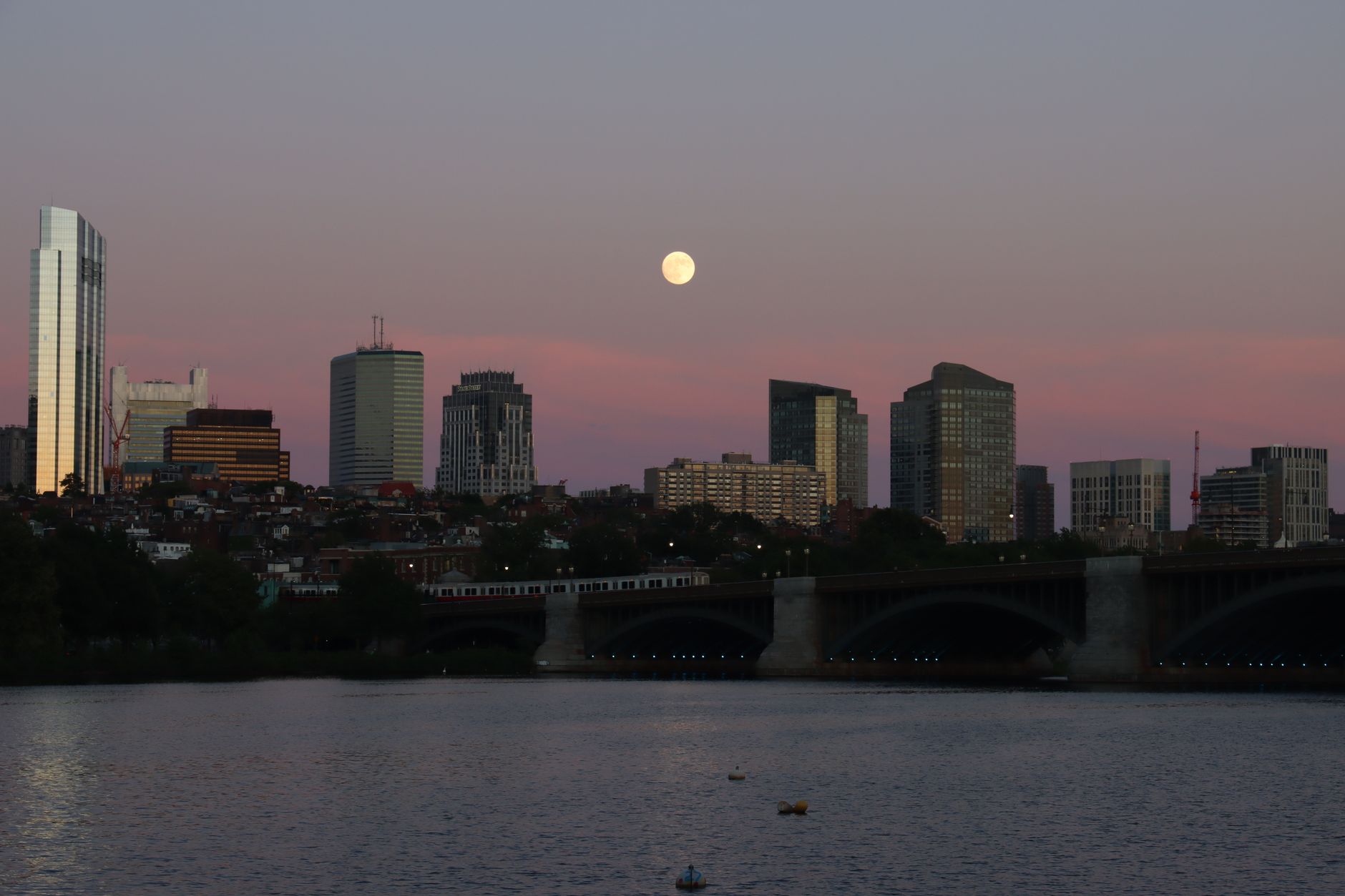
Skywatchers around the world turned their attention upwards this past weekend as the October full moon, widely recognized as the Hunter's Moon, illuminated the night sky. The celestial event, documented in various regions, provided a striking display for observers across multiple continents, from the skyline of Manhattan to the historical landmarks of Turkey and Iraq.
Full moons occurring throughout the year are traditionally assigned names that reflect seasonal shifts and natural phenomena. The designation of the Hunter's Moon is firmly rooted in historical traditions within the Northern Hemisphere. According to meteorological observations, the event is characterized by its tendency to remain visible in the sky for a notably extended duration, a trait it shares with the preceding Harvest Moon. This prolonged presence has historically been associated with providing hunters with additional light during evening hours.
Photographs from the weekend captured the moon in a variety of settings and hues. In Molfetta, Italy, the moon was seen rising behind the Basilica of the Madonna dei Martiri, where it took on a distinct orange or reddish tint. This shift in color is a result of the Earth's atmosphere, which scatters shorter blue wavelengths of light when the moon is positioned low on the horizon, allowing the warmer tones to become more prominent to the human eye.
Similar visual spectacles were reported in Istanbul, Turkey, where the moon appeared as a burnt orange glow over the Galata Tower. In the United States, photographers captured the lunar ascent behind the dense urban skyline of midtown Manhattan, while other perspectives showed the moon setting over San Francisco Bay in California, visible even to passengers on passing aircraft. In Baghdad, Iraq, the moonrise was observed over Firdous Square, adding to the global series of sightings.
Across the United Kingdom, weather watchers contributed their own documentations of the event. From the village of Stoney Middleton in Derbyshire to the coastal regions of Kimmeridge in Dorset and Felixstowe in Suffolk, observers reported clear conditions that allowed for an unobstructed view of the lunar glow. These amateur captures complemented professional imagery, highlighting the widespread interest in the natural event.
The appearance of the Hunter's Moon follows a recent string of notable sky events, including sightings of the Northern Lights across the UK and the autumn equinox. As the nights continue to lengthen in the Northern Hemisphere, astronomers and weather experts anticipate further celestial activity throughout the remainder of the autumn season. The interest in such lunar cycles remains high, with public engagement often peaking during full moon phases as enthusiasts share images and observations of the changing night sky.
For those tracking the lunar calendar, the Hunter's Moon serves as a distinct marker of the transition deeper into the autumn months. While the cultural significance of the name has evolved, the physical phenomenon continues to draw observers globally, serving as a reminder of the consistent patterns of the solar system as viewed from Earth.








Comments