


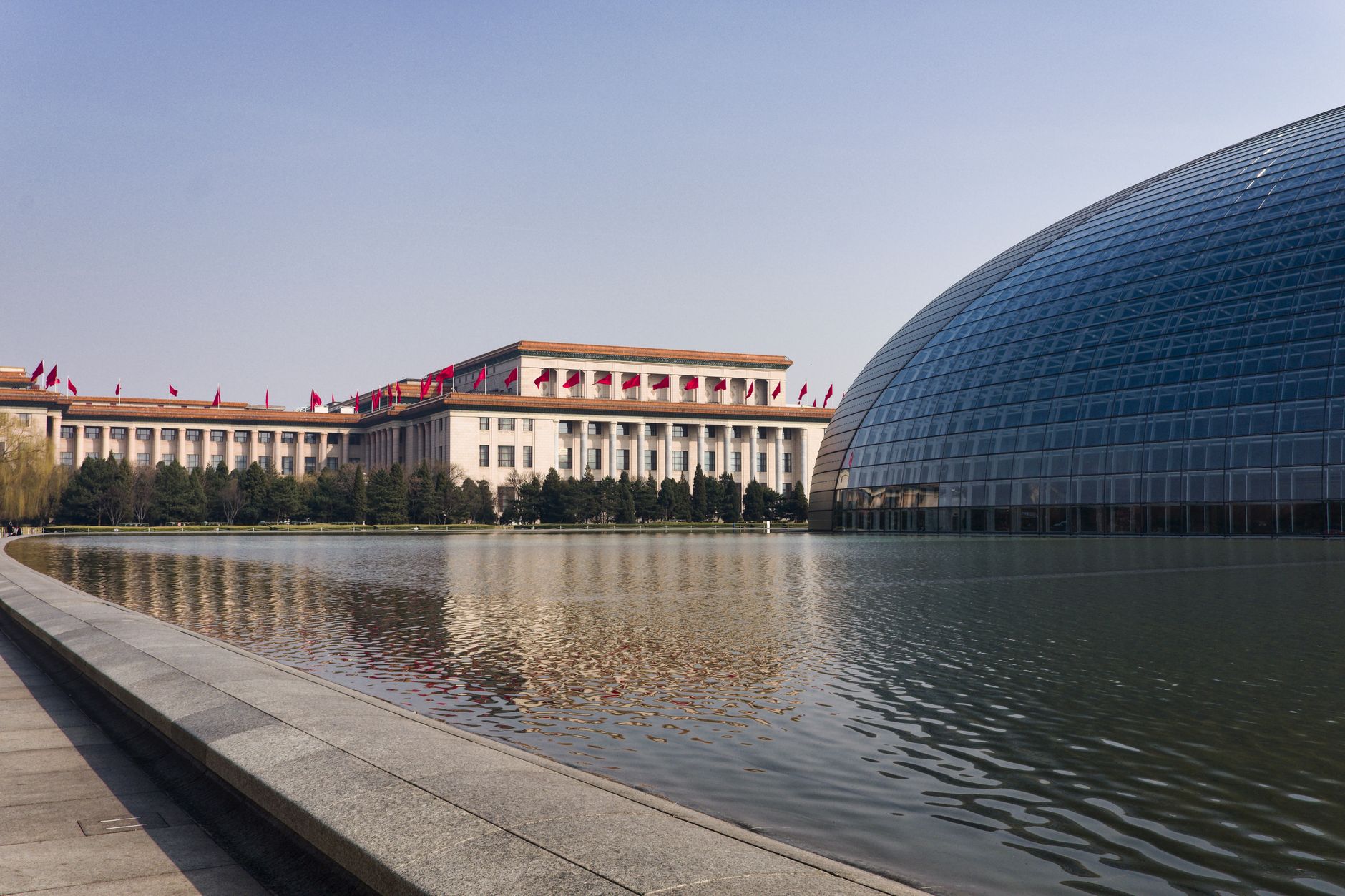
A high-level political gathering has commenced in Beijing, where senior figures of the Chinese Communist Party are meeting behind closed doors for a four-day session. The event, known as a Plenum, brings together approximately 300 members of the Central Committee. State media reports indicate that the primary objective of this gathering is to facilitate a "tightening of discipline" within the party ranks, a move that is expected to further consolidate President Xi Jinping's grip on power.
These meetings are typically held at least once a year and serve as a crucial barometer for the leadership's future priorities. While the proceedings are highly secretive, they are closely watched by international observers, as they often dictate the strategy for the party in the years ahead. This year’s session is particularly significant, as it occurs one year before the next Party Congress, the event where a new Central Committee will be appointed and the long-term direction of the party will be set.
The agenda for this week includes a formal decision on "several major issues persistently advancing the comprehensive strict governance of the Party," as noted in a September readout from the 21-member Politburo. Analysts interpret this as a mandate to ensure absolute obedience and effectiveness from party officials across the country. For the delegates in attendance, the meeting arrives at a time of notable tension, given the significant number of senior figures who have been removed in recent purges.
Recent years have seen widespread removals of officials under allegations of corruption, including what authorities have termed "moral corruption." Experts suggest that these accusations are often used to address perceived disloyalty toward President Xi, as any deviation from the party line can be framed as a breach of moral conduct. The scale of these purges has been extensive, affecting even the highest levels of the Chinese military establishment. Data from the Asia Society Policy Institute indicates that of the 44 military members appointed to the Central Committee in 2022, only two remain in their positions.
The military leadership has also seen substantial turnover, with the seven-man Central Military Commission—the body responsible for managing the armed forces—reduced to just two members: Xi Jinping and one other general. This week’s Plenum provides an opportunity for the leadership to appoint new officers to these vacant roles. The meeting, which concludes on Thursday, will likely result in a summary of decisions and a more detailed document being released to the public.
Previous Plenums have been instrumental in establishing the current political climate in China. Past sessions were used to formally declare Xi as the "core" of the party, abolish term limits, and elevate his personal political philosophy to the same status as Chairman Mao's. With the next Party Congress expected to reappoint Xi as the country's leader, this week's discussions serve to ensure that all delegates remain aligned with his strategy. While the specific location of the meetings remains unannounced, past sessions have traditionally been held at Beijing's Jingxi Hotel.








Comments